
Selecting a premium 5mm yoga mat is a significant investment in your daily practice, especially when navigating the humid climate of Singapore where sweat levels can quickly test the limits of any surface. While the Lululemon 5mm mat is a highly popular choice, determining whether it or another premium alternative is the right fit depends entirely on your specific practice style, sweat production, and material preferences. There is no single universal winner in the premium category; instead, the ideal choice hinges on how a mat balances surface grip, cushioning density, and long-term maintenance requirements. By evaluating these core criteria against your personal routine, you can select a mat that supports your joints without compromising your balance.
Material and Grip: Polyurethane vs. Natural Rubber Surfaces
The top layer of a premium yoga mat dictates how secure your hands and feet feel during transitions, making material composition the most critical factor to analyze. Many high-end mats, including the Lululemon 5mm option, utilize a polyurethane (PU) top layer bonded to a rubber base. Polyurethane is highly regarded for its smooth, matte texture and its ability to absorb moisture rapidly. In a warm, humid environment, this quick-drying property ensures that sweat is drawn away from the surface, maintaining a reliable grip even during intense, high-sweat Vinyasa or hot yoga sessions.
In contrast, other premium alternatives may feature open-cell natural rubber or textured microfiber suede surfaces. Open-cell natural rubber provides an inherently high-traction, tactile grip that performs exceptionally well in dry conditions, though it can become saturated if sweat is not managed. Microfiber suede mats, on the other hand, often require moisture to activate their grip; they can feel slippery when dry but become incredibly secure once your hands start to sweat or after a light misting of water. Understanding these differences helps you match the mat’s surface technology to your body’s natural sweat patterns.
Products mentioned in this guide

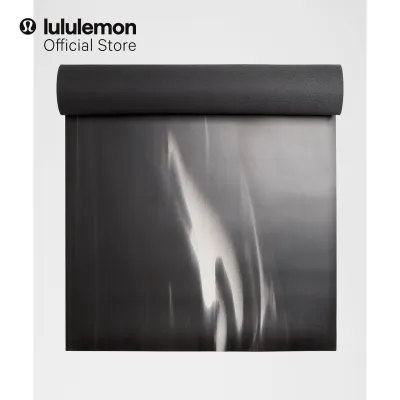
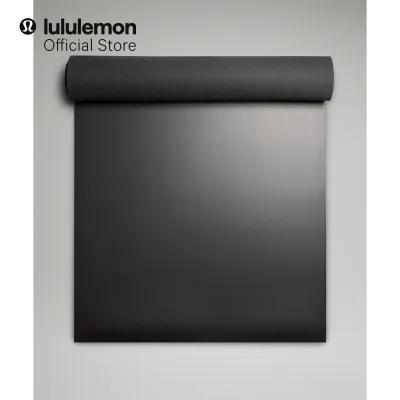

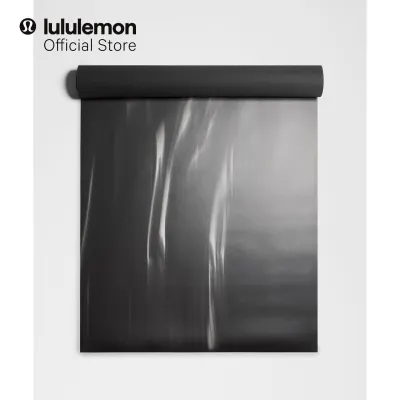
Prices are valid at publication and may change. Please refer to the product page for the latest price.
Before purchasing, it is essential to check the manufacturer’s label for exact material composition. Natural rubber mats, while offering excellent eco-friendly credentials and natural traction, often carry a distinct, earthy scent when first unboxed. This odor typically requires a break-in period of airing out in a well-ventilated space away from direct sunlight. Additionally, those with latex sensitivities must verify whether a natural rubber mat contains proteins that could trigger an allergic reaction, making synthetic polyurethane or thermoplastic elastomer (TPE) alternatives a safer choice.
Cushioning and Stability: What 5mm Thickness Actually Feels Like
A thickness of 5mm is widely considered the sweet spot for versatile yoga practices, offering a protective barrier between your joints and hard studio floors. However, the actual sensation of support depends heavily on the density of the materials used rather than the thickness measurement alone. A highly dense 5mm mat, often constructed from heavy natural rubber or dense polyurethane, will feel firm and supportive. It resists bottoming out, meaning your knees, elbows, and hips will not press through to the hard floor during deep floor postures like low lunges or side planks.

Conversely, a less dense 5mm mat made from lighter synthetic foams may feel softer and more pillowy initially, but it can compress fully under concentrated weight. This compression compromises joint protection and can create an unstable foundation. The trade-off between cushioning and stability is particularly noticeable during standing balance poses, such as Tree Pose or Warrior III. A mat that is too soft or compresses too easily can cause your ankles to wobble as they search for a stable surface, whereas a denser mat provides the firm ground feedback necessary to maintain alignment and balance.
To find your preferred balance between comfort and stability, it is highly recommended to test the mat’s compression and rebound characteristics. If you are shopping in a local retail store, press your thumb firmly into the surface to observe how quickly the material springs back to its original shape. If you are purchasing online, review the retailer’s return and exchange policies carefully. This ensures you can test the mat’s firmness at home on your typical practice surface before committing to keeping it long-term.
Durability and Maintenance: Caring for Premium Yoga Mats
Investing in a premium 5mm yoga mat means expecting it to withstand daily use over several years, but its longevity is directly tied to how you clean and store it. Polyurethane and open-cell natural rubber surfaces are highly porous by design to absorb sweat and maintain grip. However, this porosity also makes them susceptible to absorbing body oils, lotions, and dirt, which can clog the surface over time and lead to a noticeable decline in traction.
Caring for these materials requires a gentle touch and strict adherence to manufacturer guidelines. Harsh chemical cleaners, alcohol-based sanitizing sprays, and essential oils should be avoided entirely, as they can rapidly degrade polyurethane coatings and dry out natural rubber, causing it to crack or crumble. Instead, most premium brands recommend wiping the surface down with a soft, damp cloth using a highly diluted solution of mild soap and water. It is crucial to let the mat air dry completely in a shaded, cool area before rolling it up, especially in humid climates where trapped moisture can lead to mold or unpleasant odors.
Additionally, how you store your mat in compact living spaces matters. Always roll your mat with the top surface facing outward; this prevents the corners from curling up during practice and protects the polyurethane layer from creasing. Over time, all mats will show signs of wear, but premium options should degrade gracefully. Look out for observable indicators of wear such as flaking material, permanent indentations that no longer rebound, or areas where the surface has become slick and lost its grip. Regularly inspecting your mat for these signs will help you determine when it is time to replace it to maintain a safe, slip-free practice. Always verify the specific cleaning instructions and warranty terms provided by the brand, as some warranties may be voided if unapproved cleaning agents are used.
Feature Checklist: Comparing Lululemon to Other Premium 5mm Mats
To help you compare your options at a glance, the following checklist outlines the typical characteristics of the Lululemon 5mm mat alongside common premium alternatives. Because exact weights, dimensions, and retail prices in S$ can vary based on seasonal releases and local retailer stock, you should always verify the current specifications on official brand websites or at local retail outlets before making your final purchase.
| Feature | Lululemon 5mm Mat | Premium Natural Rubber 5mm | Premium Microfiber 5mm |
|---|---|---|---|
| Primary Surface Material | Polyurethane (PU) | Open-cell Natural Rubber | Microfiber Suede / Polyester |
| Grip Mechanism | Smooth, moisture-absorbing dry grip | High-traction textured natural grip | Sweat-activated or moisture-mist grip |
| Weight Profile | Moderately heavy; check listings for exact weight | Heavy and dense; requires more carrying effort | Lightweight to moderate; highly portable |
| Cleaning Complexity | Moderate; requires gentle wiping, sensitive to oils | Moderate to high; sensitive to oils and sunlight | Low to moderate; some are machine-washable (verify labels) |
| Best Suited For | Dynamic, high-sweat, and hot yoga sessions | Grounded practices, alignment focus, eco-conscious | High-sweat practices, hot yoga, travel convenience |
Decision Guide: Which 5mm Mat Matches Your Practice Style?
Choosing the right 5mm mat comes down to aligning the mat’s physical properties with your personal routine, physical needs, and budget. Use the following frameworks to guide your decision-making process.
Choose Lululemon if…
You should prioritize the Lululemon 5mm mat if your practice consists of dynamic, fast-paced flows where you sweat heavily and require immediate, reliable traction without needing to pre-wet your mat. The smooth polyurethane top layer is highly effective at absorbing moisture instantly, keeping your hands secure during rapid transitions. Additionally, if you appreciate a sleek, modern aesthetic and prefer to source your gear from a single, well-established brand ecosystem with accessible local retail stores for physical inspection, this mat aligns well with those preferences.
Choose a Premium Alternative if…
You should look toward other premium 5mm alternatives if you prefer a highly tactile, textured surface rather than a smooth matte finish, or if you prioritize entirely natural, sustainably sourced materials like pure natural rubber. Alternatives are also ideal if you practice styles that do not generate intense sweat, such as Yin or restorative yoga, where a dry-grip natural rubber or a soft microfiber surface might feel more comfortable against your skin. Furthermore, exploring alternative brands allows you to compare different price points in S$ to find a balance between performance and budget.
Verify first if…
Before making any final purchase, take a moment to verify a few external factors that could influence your satisfaction. Check your local yoga studio’s policies regarding mat dimensions and storage, as some boutique spaces may have specific size limits for their practice spaces. If you have a known latex allergy, confirm whether the mat you are considering contains natural rubber proteins. Finally, assess your current yoga mat: if it still provides adequate joint support, rebounds fully after compression, and maintains a safe grip, you may not need to upgrade just yet, allowing you to extend the life of your current gear.
Frequently Asked Questions (FAQ)
Is a 5mm mat too thick for balancing poses?
A 5mm thickness is generally not too thick for balancing poses, provided the mat has a high-density construction. High-density mats offer a firm, stable foundation that prevents your feet from sinking too deeply, allowing you to maintain proper alignment and ground feedback. However, if a 5mm mat is made of low-density, soft foam, it will compress easily under your weight, causing instability and making balance poses more challenging. If you prioritize maximum stability and ground feedback over joint cushioning, you might want to consider a thinner 3mm or 4mm high-density mat instead.
How do I clean a premium natural rubber or polyurethane yoga mat?
To clean a premium natural rubber or polyurethane yoga mat safely, always start by consulting the manufacturer’s specific care instructions. Generally, you should wipe the surface down after each practice using a soft cloth dampened with cool water and a tiny drop of mild, oil-free dish soap. Avoid using abrasive scrubbing pads, alcohol-based sanitizers, bleach, or essential oils, as these substances can break down the delicate polyurethane layer or dry out natural rubber, leading to cracking and loss of grip. Always allow your mat to air dry completely in a flat, shaded position indoors before rolling it up for storage.

Community discussion
Share your experience or ask a question. Comments are reviewed before publication.