
When you are pushing through a humid workout in Singapore, a lukewarm sip of water can instantly disrupt your momentum. While lululemon, Hydro Flask, and Owala all promise to keep your beverages icy cold, choosing the right sports water bottle requires looking beyond marketing claims. Because premium brands universally employ double-wall vacuum insulation, the real-world temperature maintenance you experience is heavily dictated by lid design, usage habits, and environmental factors. Without standardized, independent testing data to declare a single, definitive winner in exact cold-retention hours, selecting the best bottle comes down to matching their structural designs with your specific workout routines.
Understanding Insulation Technology in Sports Bottles
To make an informed choice, it helps to understand the physics of thermal retention. Double-wall vacuum insulation consists of two stainless steel walls separated by a microscopic gap from which air has been completely evacuated. Because a vacuum contains no air molecules, it effectively eliminates heat transfer via conduction and convection. This means the ambient heat of a tropical afternoon or a stuffy gym cannot easily penetrate the inner chamber to warm your water.
However, the stainless steel body is only one part of the equation. The lid represents the primary point of thermal loss and air exchange. Unlike the double-walled metal body, lids are typically constructed from single-layer plastics or silicone, which offer significantly less thermal resistance. Every time you open the bottle to take a sip, cold air escapes and warm ambient air rushes in, raising the internal temperature.
Products mentioned in this guide
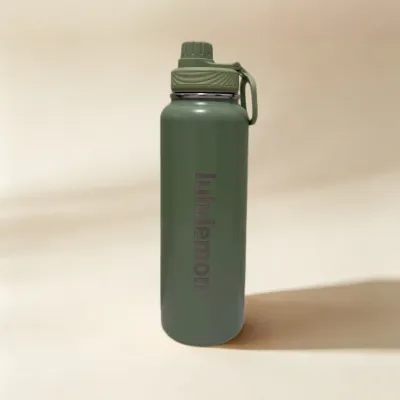
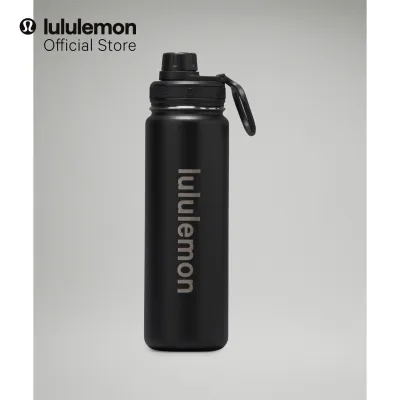
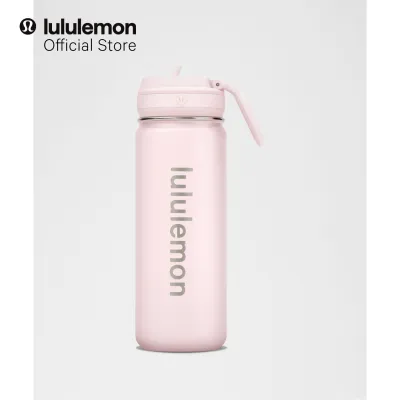
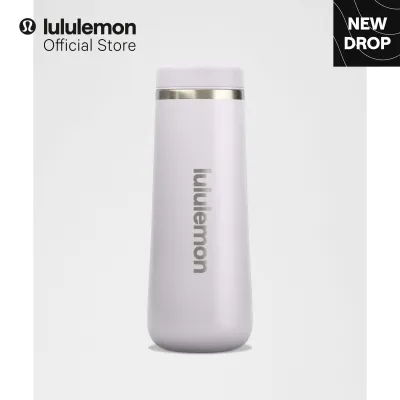
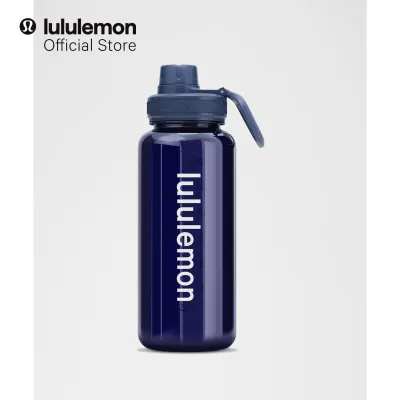
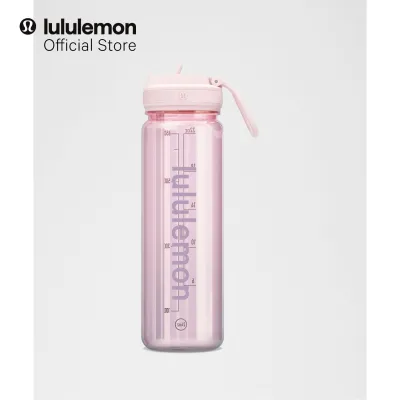
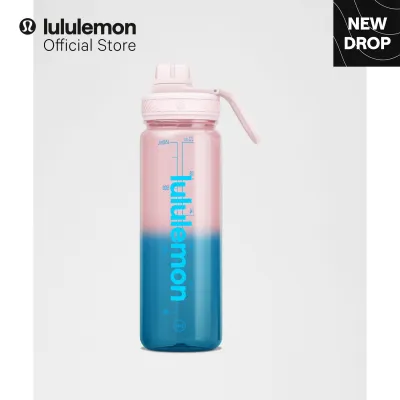
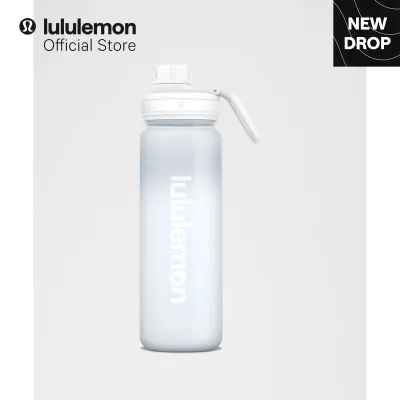
Prices are valid at publication and may change. Please refer to the product page for the latest price.
Additionally, the exterior finish of the bottle plays a practical role in your workout experience. High-quality powder coatings are applied to the outer steel wall to provide a textured, non-slip grip, even when your hands are sweaty. This coating also acts as a barrier against condensation. In high-humidity environments, a bottle without proper insulation or a quality exterior finish can “sweat,” leaving puddles in your gym bag or causing the bottle to slip from your hands during active movement.
Comparing Key Insulation and Design Features
When evaluating lululemon against competitors like Hydro Flask and Owala, you must look closely at the structural specifications. While most premium brands use similar manufacturing processes, subtle differences in wall thickness and vacuum seal integrity can affect long-term performance. Because manufacturers rarely publish exact vacuum gap measurements, it is wise to inspect the product packaging and labels for specific construction details rather than relying on broad marketing slogans.

Lid mechanisms vary significantly across these brands and directly impact thermal sealing. Lululemon’s sports bottles often feature streamlined, gym-focused lids designed for quick, one-handed access, which is ideal for maintaining your pace on the treadmill. In contrast, Hydro Flask is famous for its robust flex caps and wide-mouth straw lids that prioritize a tight, leak-proof seal. Owala’s FreeSip design offers a unique hybrid approach, featuring a built-in straw for upright sipping alongside a wider opening for swigging. From a thermal perspective, a simple, solid screw-down cap generally provides the most secure seal because it has fewer seams, gaskets, and moving parts where thermal transfer can occur.
The baseline material for all three brands is 18/8 food-grade stainless steel. This alloy, composed of 18% chromium and 8% nickel, is highly durable, resistant to corrosion, and does not retain lingering flavors from sports drinks or protein mixes. Because the thermal properties of 18/8 stainless steel are virtually identical across premium brands, any perceived difference in cold retention is almost entirely due to the lid design, the volume of liquid inside, and how often the bottle is opened.
Real-World Workout Scenarios and Usability
Matching a bottle’s design to your specific exercise routine is crucial for optimal performance. During high-intensity gym sessions, you need quick access to water without fumbling with a complex lid. However, frequent opening accelerates temperature loss. If you prefer a straw lid, like those offered by Owala or Hydro Flask, you can sip without tilting your head, which is safer when running on a treadmill. Lululemon’s quick-sip designs are highly ergonomic for rapid hydration, but you must ensure the lid is fully closed between sets to preserve the cold temperature.
For outdoor cardio, running, or hiking in Singapore’s warm climate, durability and portability become the primary concerns. Outdoor environments expose the bottle to direct sunlight and potential drops on hard surfaces. Hydro Flask’s thick powder coating and flexible carrying strap make it highly resilient on the trail. Owala’s integrated carry loop, which folds down to lock the lid, provides excellent security against accidental spills when the bottle is jostled inside a backpack.
Capacity also plays a vital role in thermal retention. A larger volume of cold water possesses greater thermal mass, meaning a 32-ounce or 40-ounce bottle will naturally stay cold longer than an 18-ounce bottle under the exact same conditions. However, larger bottles are heavier and may not fit into standard gym equipment cup holders, bicycle cages, or car console slots. You must weigh the benefit of extended cold retention against the physical convenience of carrying a smaller, lighter bottle.
How to Verify Cold Retention Claims Before Buying
Since independent, standardized test results comparing these specific brands under identical conditions are not readily available, you must learn to verify claims on your own. Start by reading the manufacturer’s specifications for “hours cold.” Be aware that these ratings are established under highly controlled laboratory conditions—typically starting with water chilled to near-freezing temperatures and kept in a temperature-controlled room without being opened. Real-world performance during a sweaty outdoor workout will inevitably be shorter.
To get a more accurate picture of real-world performance, look for verified user reviews from buyers living in tropical or high-humidity regions. Pay close attention to feedback regarding how long ice cubes survive inside the bottle and whether users have experienced condensation forming on the exterior. Exterior sweating is a clear sign of a compromised vacuum seal, which can occur during shipping or due to manufacturing defects.
Finally, evaluate the manufacturer’s warranty terms before making your purchase. Premium brands often provide warranties that cover insulation defects and vacuum seal failures. Understanding what is covered—such as whether the warranty is voided by minor dents from accidental drops—will help protect your investment and ensure you can get a replacement if the bottle fails to keep your drinks cold.
Making Your Final Choice
Your decision should ultimately depend on your primary workout environment and personal handling preferences. Choose a lululemon water bottle if you prioritize sleek, gym-specific ergonomics, aesthetic integration with your workout apparel, and a streamlined lid design that fits comfortably in hand during indoor training. Their designs are tailored for the modern gym-goer who values both style and functional simplicity.
On the other hand, choose Hydro Flask or Owala if your routine demands highly versatile lid configurations, rugged durability for outdoor trails, or larger capacity options for long-distance activities. Hydro Flask offers a classic, durable build with a wide array of interchangeable lids, while Owala provides an innovative sipping experience that transitions smoothly from the office to the gym.
Before finalizing your purchase, verify if you require specific accessories, such as protective silicone boots to prevent base dents, or replacement straws. It is also beneficial to check current stock at local retail outlets in Singapore, allowing you to handle the bottles in person to assess their weight, grip texture, and lid mechanisms before committing.
Frequently Asked Questions (FAQ)
Does the color of the water bottle affect how cold it keeps drinks?
While darker colors absorb more solar radiation when exposed to direct sunlight outdoors, the double-wall vacuum insulation minimizes the transfer of this heat to the liquid inside. The vacuum layer acts as a highly effective barrier, ensuring that the exterior temperature of the steel shell has a negligible impact on the water temperature. However, for prolonged outdoor use under direct sunlight, a lighter color may offer a marginal advantage by reflecting more solar heat.
Can I put hot drinks in my lululemon or Hydro Flask bottle?
The stainless steel bodies of these bottles are fully capable of retaining heat just as effectively as they retain cold. However, you must exercise caution with the lid design. Lids featuring straws, quick-sip spouts, or flip-top mechanisms are not designed for hot liquids. Hot beverages can create steam pressure inside the sealed bottle, which may cause hot liquid to spray out unexpectedly when opened, posing a significant burn risk. Always consult the manufacturer’s guidelines regarding which lids are safe for hot drinks.

Community discussion
Share your experience or ask a question. Comments are reviewed before publication.