
Choosing the right yoga block depends entirely on how you practice and what you value most in a prop. Because there is no single “best” block for every yogi, the decision between the lululemon yoga block and other premium brands comes down to material preference, density requirements, and portability. If your practice focuses on restorative poses, travel, and lightweight support, Lululemon’s foam design may be the ideal fit. However, if you require maximum stability for advanced standing balances, heavy weight-bearing inversions, or prefer the natural sweat-resistance of cork, other premium alternatives might serve you better. This guide breaks down the physical specifications, ergonomic features, and buying conditions to help you make an informed choice.
Defining Premium Yoga Block Standards
Before comparing specific brands, it is essential to establish what elevates a yoga block to premium status. Standard blocks, often found in budget department stores, frequently rely on low-density foam that compresses easily under minimal pressure, loses its shape over time, or flakes at the edges. In contrast, a premium yoga block is defined by its structural integrity, material density, and ergonomic design. High-end manufacturers utilize high-density ethylene-vinyl acetate (EVA) foam, sustainable cork, or dense natural rubber blends to ensure the prop remains supportive and durable throughout years of regular practice.
Structural integrity markers are critical when evaluating these props. A premium block must resist significant compression under body weight, ensuring that your wrists, hands, and spine receive stable, unyielding support during demanding poses. The material should resist flaking, crumbling, or tearing, even when subjected to friction against rough studio floors or yoga mats. Furthermore, verified weight capacity and density are key indicators of whether a block can safely support your body during weight-bearing inversions or deep backbends.
Products mentioned in this guide
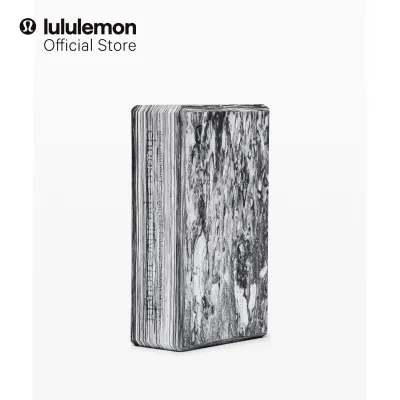
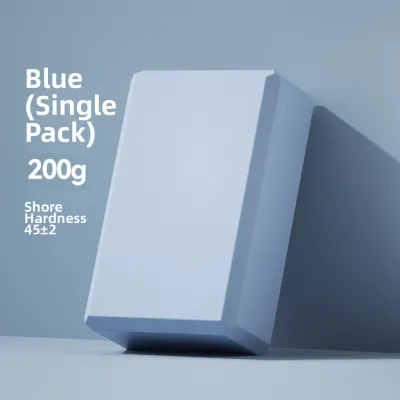
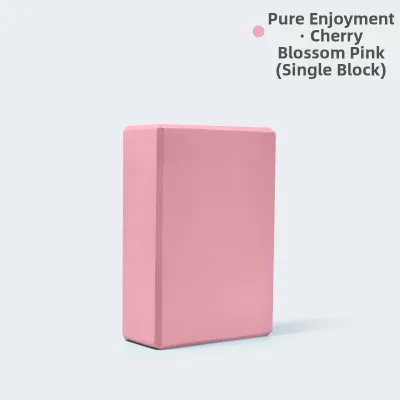
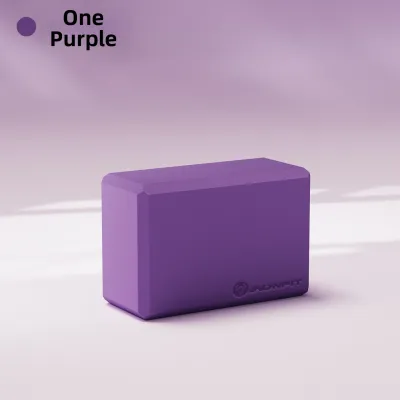

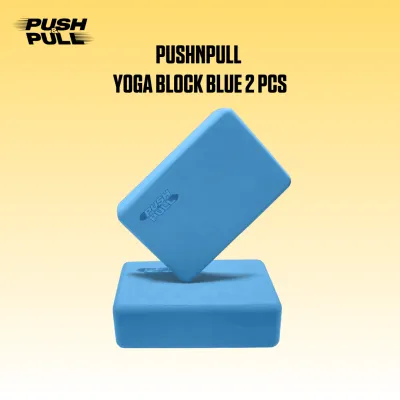
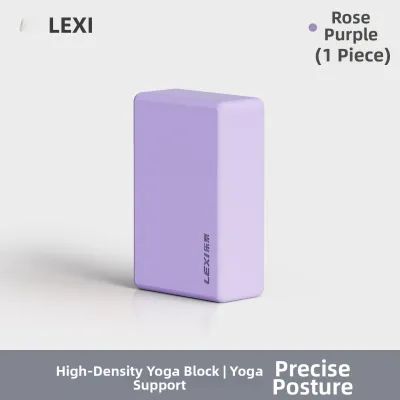
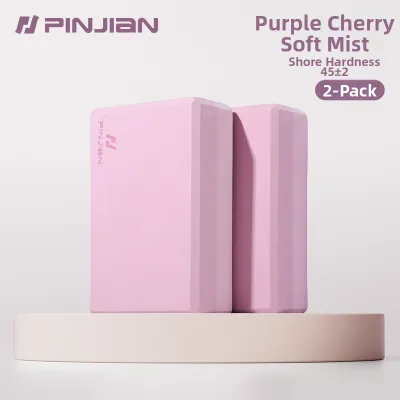
Prices are valid at publication and may change. Please refer to the product page for the latest price.
Ergonomic features also distinguish premium blocks from basic alternatives. High-quality blocks feature generous beveled edges rather than sharp, straight-cut corners. These contoured edges reduce pressure points on the palms and wrists, making weight-bearing poses significantly more comfortable. Additionally, the surface texture must offer a reliable grip, preventing hands from slipping when moisture or sweat accumulates during intense sessions.
Evaluating the Lululemon Yoga Block
The lululemon yoga block is a popular choice among practitioners who value portability, cushioning, and modern design. Typically constructed from high-density EVA foam, this block is engineered to offer a balance of lightweight convenience and functional support. For yogis who commute to local studios or travel frequently, the minimal weight of a foam block is a significant advantage over heavier cork or rubber alternatives, as it adds negligible bulk to a gear bag.

In terms of physical support, the high-density foam composition provides excellent joint cushioning. During floor work, such as supported bridge pose or restorative chest openers, the material offers a slight, comfortable yield that cradles the sacrum or spine without bottoming out. The surface texture is smooth yet tactile, designed to provide a secure hold during transitions. Its contoured, beveled edges are specifically shaped to fit the natural curve of the hand, reducing strain on the fingers and wrists when gripping the block from different angles.
To maintain the performance and appearance of this block, practitioners should establish a regular care routine. Because EVA foam is non-porous, it does not absorb sweat, making it relatively easy to wipe clean after a vigorous session. However, users should regularly inspect the block for signs of wear, such as deep indentations, surface punctures, or softening of the core structure. If the block begins to show significant compression or fails to spring back to its original shape, it may no longer provide the stable foundation required for safe practice.
Key Comparison Dimensions Against Other Premium Brands
To determine which premium block best suits your practice, it is helpful to compare them across two primary physical and functional axes. These dimensions are material composition and density, which dictate stability, and surface ergonomics, which govern grip and comfort.
Material Composition and Density
The choice between lightweight EVA foam and denser materials like cork or rubber represents the most significant divide in premium yoga blocks. While foam blocks, such as those offered by Lululemon, excel in portability and soft cushioning, they lack the sheer mass and unyielding stability of cork or rubber alternatives. Cork blocks are naturally heavier and denser, providing a solid, grounded anchor that will not tip or wobble when subjected to lateral forces during complex poses.
This difference in density directly impacts how you practice. For standing balances like Half Moon pose, where a significant portion of your weight rests on the block, a dense cork block offers a highly stable, floor-like feel. Conversely, for restorative or yin yoga, where the block is placed under the head, hips, or knees for extended periods, the softer yield of high-density foam is generally preferred to avoid discomfort.
When shopping, you should verify the material specifications on the product label. Check the weight of the block and look for eco-certifications, particularly if you are choosing cork or natural rubber, to ensure the materials are sustainably sourced and free from harmful chemical binders.
Surface Texture, Grip, and Edge Contouring
Surface texture and grip characteristics vary dramatically between materials, affecting how secure you feel during a sweaty practice. Foam blocks typically feature a smooth, closed-cell surface that repels moisture but can become slippery if a film of sweat builds up. In contrast, cork is naturally porous and absorbent; its grip actually improves as it gets slightly damp, making it an excellent option for hot yoga or high-intensity vinyasa flows without requiring a towel overlay.
Edge contouring also plays a vital role in hand comfort. While most premium brands incorporate beveled edges, the depth and angle of these cuts vary. Deeply beveled edges allow for a more natural hand placement during weight-bearing poses like Downward-Facing Dog, distributing pressure evenly across the palm rather than concentrating it along a sharp line.
Before finalizing a purchase, it is highly recommended to test the block’s grip under realistic conditions. If you tend to sweat during practice, simulate a weight-bearing hold on the block to verify that your hands do not slide, as slippage during a pose can lead to sudden joint strain or loss of balance.
Price, Value, and Availability in Singapore
When evaluating the cost-to-value ratio of a premium yoga block, local availability and pricing play a practical role. In Singapore, the lululemon yoga block is priced within the premium bracket, typically aligning with other high-end fitness props. While budget foam blocks can be purchased for a fraction of the cost, investing in a premium block ensures that the material will not degrade rapidly, offering better long-term value for dedicated practitioners.
To ensure you are purchasing an authentic product, always buy directly from official brand stores, authorized sports retailers, or verified online marketplaces. Counterfeit fitness props are common on generic ecommerce platforms, and these imitation blocks often use low-grade, toxic foams that lack the density and safety standards of genuine premium brands. Purchasing from official channels also ensures you receive accurate product specifications and care guidelines.
Ultimately, the long-term value of your purchase is determined by how well the block’s lifespan matches your practice environment. If you practice daily in high-humidity settings or hot yoga studios, a durable, sweat-resistant cork block may offer a longer functional lifespan than a foam block, which can eventually degrade or absorb odors if not cleaned meticulously. Assess your weekly usage and studio conditions to determine which material offers the most sustainable investment for your budget.
Decision Framework: Which Block Fits Your Practice?
To make your final decision, evaluate your specific physical needs, practice style, and transport habits against the characteristics of each block type.
Choose the lululemon yoga block if you prioritize lightweight portability and soft cushioning. This block is ideal for yogis who commute regularly, attend restorative or yin classes, or prefer a softer, more forgiving surface under the spine, head, or pelvis. It is also an excellent choice if you appreciate cohesive brand aesthetics and want a high-quality, durable foam prop that coordinates with your existing gear.
Choose a dense cork or rubber premium alternative if your practice demands maximum stability and natural materials. These blocks are highly suited for advanced standing balances, heavy weight-bearing inversions, and hot yoga sessions where sweat resistance is paramount. The extra weight of cork provides a secure, unyielding foundation that mimics the solid floor, giving you greater confidence during challenging transitions.
Before executing any weight-bearing poses or inversions, always verify the manufacturer’s load specifications and inspect the block’s physical condition. If you experience wrist sensitivities, test the block’s edge contouring to ensure it does not pinch or strain your joints. If you observe any unsafe compression, wobbling, or slipping during use, stop the movement immediately and adjust your setup to prevent injury.
Frequently Asked Questions (FAQ)
Can I use a foam yoga block for standing balance poses?
Yes, you can use a high-density foam yoga block for standing balances, but you must exercise caution. While premium foam blocks offer excellent support, they naturally possess a slight yield and are much lighter than cork or wood, making them more prone to tipping if your weight is not centered. Before attempting advanced balances, place the block on a flat, non-slip surface, check the manufacturer’s weight guidelines, and test its stability with light pressure to ensure it does not compress unsafely under your full weight.
How do I clean and maintain a premium yoga block?
Cleaning methods depend entirely on the block’s material. For EVA foam blocks, wipe the surface down after each use with a damp cloth and a mild, diluted soap, then allow it to air dry completely away from direct sunlight; never submerge the block in water or use harsh chemical cleaners. For cork blocks, avoid excess water, as cork is porous; instead, use a specialized cork cleaning spray or a highly diluted vinegar solution, wiping gently to preserve the natural texture and prevent the material from drying out or cracking over time.
Do I need one or two yoga blocks for my practice?
While a single block is highly useful for basic modifications and seated support, owning a pair of blocks is generally recommended for a complete, balanced practice. Having two blocks allows you to maintain bilateral symmetry in poses where both hands require support, such as Triangle, Half Moon, or forward folds. Starting with one block is perfectly fine for beginners, but upgrading to a pair will provide the necessary structural support as you progress to more complex sequences and alignment-focused exercises.

Community discussion
Share your experience or ask a question. Comments are reviewed before publication.