
Choosing the right Adidas gym gloves depends entirely on how your training style stresses your hands. Weightlifting demands localized pressure protection and wrist stability, cross-training requires flexibility and breathability, and high-volume machine work prioritizes lightweight comfort and sweat management. Rather than relying on generic labels, this guide provides a specification-checking framework to help you evaluate padding, grip materials, and closure systems, ensuring your selected gloves match your actual workout demands.
Defining the Demands of Your Training Style
Before browsing online marketplaces or visiting a sporting goods store in Singapore, you must analyze the exact physical forces your hands encounter during a workout. Different exercises subject your palms, fingers, and wrists to distinct types of stress, meaning a glove designed for one discipline may hinder your performance in another.
For weightlifting, the primary challenge is managing heavy, localized pressure and intense friction. When performing heavy presses, deadlifts, or rows, the knurling of a steel barbell presses directly into the skin of your palms and the base of your fingers. This concentrated load can cause painful calluses or blisters if the skin is unprotected. Furthermore, heavy lifting puts significant structural demand on your wrists, making joint stabilization a key priority during overhead or pressing movements.
Products mentioned in this guide
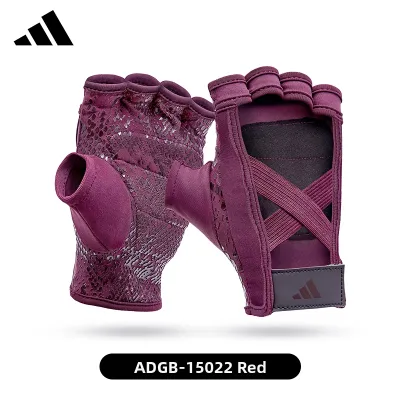
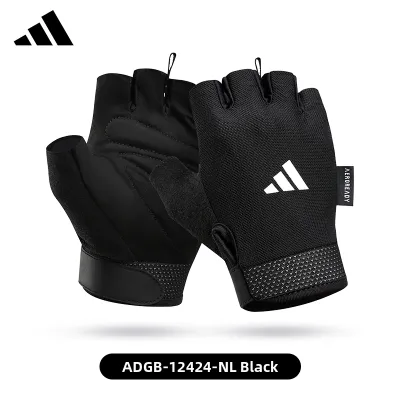
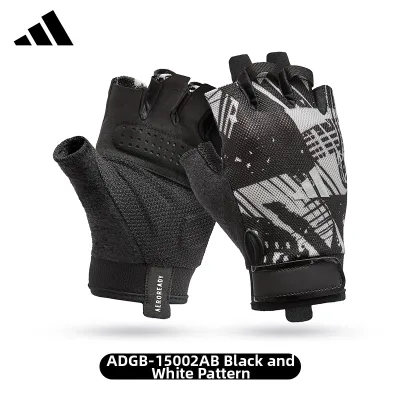
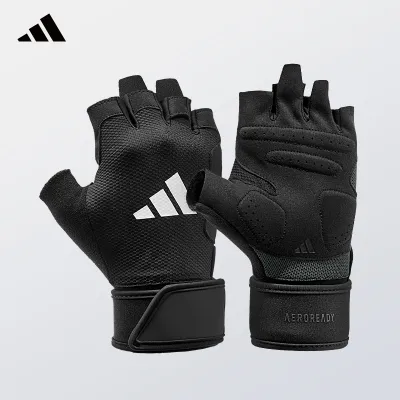
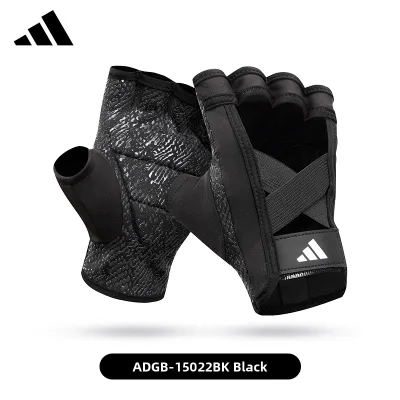
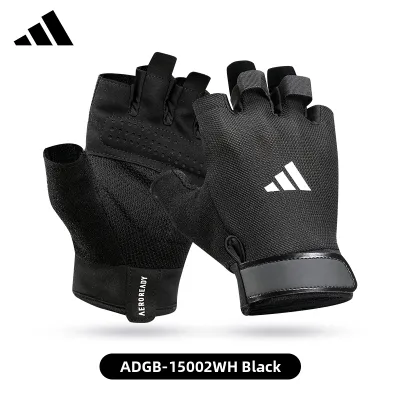
Prices are valid at publication and may change. Please refer to the product page for the latest price.
Cross-training, on the other hand, involves dynamic, multi-directional movements that require high flexibility and rapid transitions. Exercises like pull-ups, kettlebell swings, and rope climbs demand a secure grip that still allows your hand to flex and rotate naturally. If your gloves are too stiff or bulky, they can restrict your hand’s natural movement, leading to premature forearm fatigue. Breathability is also critical here, as high-intensity cardiovascular intervals generate significant sweat, which can cause the glove to slip internally if moisture is not managed.
Machine-based training presents a different set of requirements. While machines guide your path of motion and reduce the need for joint stabilization, they often involve high-repetition sets that cause continuous, low-level friction. For these workouts, heavy padding and rigid wrist support are unnecessary. Instead, the focus shifts to lightweight comfort, basic skin protection, and effective sweat management to maintain a secure hold on rubberized or metal machine handles.
Evaluating Glove Construction and Label Specs
When shopping for Adidas gym gloves, you should look beyond aesthetic designs and focus on the technical specifications listed on the product packaging or online descriptions. Adidas offers various glove lines, each tailored with specific material compositions, padding densities, and closure systems.

To make an informed decision, you must evaluate three critical pillars of glove construction: padding distribution, grip surface materials, and the wrist closure mechanism. Checking these physical specifications ensures you select a model built for your specific training environment rather than relying on generic marketing terms.
Padding Thickness and Palm Coverage
The padding on the palm of a gym glove serves as the primary barrier between your skin and the equipment. When reviewing Adidas product descriptions, look for details regarding the padding configuration, which typically ranges from minimalist, high-density foam to thick, gel-infused layers.
Thicker padding is highly effective at absorbing localized pressure during heavy lifts, but it comes with a trade-off. A thick barrier increases the effective diameter of the bar you are holding, which can reduce your tactile feedback and make it harder to wrap your fingers securely around a barbell. For movements where bar feel is critical to technique, such as cleans or snatches, a thinner, more strategic padding layout is often preferred. Conversely, for high-repetition machine exercises, look for ergonomic or pre-curved finger designs on the glove’s palm, which naturally match the hand’s resting shape and reduce the effort required to maintain a grip over long sets.
Grip Materials and Ventilation
The material used on the palm determines how well the glove clings to gym equipment under load. Adidas gloves commonly utilize synthetic leather, textured suede, or silicone print patterns to enhance traction.
Synthetic leather and suede palms offer excellent durability and resistance to abrasion, making them ideal for high-friction barbell and dumbbell workouts. Silicone prints, often applied in geometric patterns over a fabric base, provide high surface traction without adding bulk, which is highly beneficial for dynamic cross-training movements. To prevent sweat buildup in hot, humid climates like Singapore, check the back-of-hand specifications for breathable mesh panels, perforated palms, or moisture-wicking technology. Additionally, verify the care label instructions to ensure the grip materials can withstand regular machine washing, as sweat and chalk buildup can degrade synthetic materials over time if left unwashed.
Wrist Support and Closure Mechanisms
The way a glove secures around your wrist affects both safety and mobility. Adidas designs feature various closure styles, ranging from simple elastic cuffs to integrated, heavy-duty wrist wraps.
Standard hook-and-loop straps provide a quick, adjustable fit that keeps the glove secure without restricting movement, making them suitable for general fitness and machine training. For heavy lifting, however, you may want to look for gloves featuring extended, wrap-around wrist straps. These integrated wraps act like traditional lifting wraps, helping to stabilize the wrist joint under heavy loads. When evaluating these options, ensure the strap is wide enough to distribute pressure evenly and check product images for reinforced stitching around the strap attachment points, as this area experiences high tension during use.
Building Your Shortlist by Workout Type
To simplify your selection process, you can map your primary workout activities to the specific glove features that support them. If your routine is highly specialized, choosing a glove dedicated to that single discipline will yield the best results.
For dedicated weightlifters, your shortlist should prioritize gloves with reinforced synthetic leather palms, moderate to thick padding over the primary friction zones, and an integrated wrist wrap. This combination protects against calluses while offering the joint support needed for heavy overhead presses and bench presses.
If your routine consists primarily of cross-training or functional fitness, look for lightweight gloves with a highly flexible back-of-hand mesh, minimal palm padding, and a secure, low-profile hook-and-loop closure. This design ensures your hands can flex quickly during pull-ups or kettlebell work while allowing heat and sweat to escape rapidly.
For those who focus on machine exercises and light cardio, a minimalist glove with thin foam padding and a breathable fabric construction is ideal. These gloves protect against minor friction without adding unnecessary bulk or heat.
If your training is a hybrid of these styles—such as splitting your time between heavy free weights and high-intensity interval training—you will need to balance your priorities. In this scenario, look for a versatile, mid-weight Adidas glove that features moderate, zoned padding and a standard adjustable wrist strap. This provides sufficient protection for lifting without completely sacrificing the flexibility and breathability needed for faster, dynamic movements.
Verifying Fit and Comfort Before You Commit
Even the most technologically advanced glove will fail to protect your hands if it does not fit correctly. An improper fit can lead to material bunching, which actually increases friction and causes the very blisters you are trying to prevent.
Before purchasing, always consult the official Adidas sizing chart. Measure your hand circumference by wrapping a soft measuring tape around your palm, just below the knuckles, excluding the thumb. If you find yourself between sizes, consider how you prefer your gloves to feel: a tighter fit offers better bar control but may feel restrictive, while a slightly looser fit provides more comfort but can lead to material shifting.
When trying on the gloves, perform a few simple physical checks to verify the fit. Make a tight fist and simulate gripping a bar; the material across the back of your hand should stretch comfortably without pinching your knuckles or cutting off circulation at your fingertips. Check the palm area for excess fabric; when your hand is open, the palm should lie relatively flat, and when closed, there should be minimal bunching. Finally, ensure the finger openings do not bind or dig into the webbing of your fingers, as this can cause severe discomfort during repetitive movements.
Frequently Asked Questions (FAQ)
How often should I replace my gym gloves?
The lifespan of your gym gloves depends on your workout frequency, the load levels you lift, and how well you maintain them. Rather than following a strict calendar timeline, inspect your gloves regularly for physical signs of degradation. Look for thinning or compressed padding, peeling grip materials, frayed stitching around the seams, or hook-and-loop straps that no longer hold securely. If you notice the gloves slipping during lifts or failing to protect your hands from friction, it is time to replace them to ensure your safety and grip security.
Can I use weightlifting gloves for pull-ups and cross-training?
While you can wear weightlifting gloves for other activities, heavily padded models are generally not ideal for pull-ups and dynamic cross-training. The thick padding designed to cushion heavy barbells can make it harder to wrap your hands fully around a pull-up bar, reducing your grip security and increasing forearm fatigue. Additionally, the rigid wrist support found on many lifting gloves can restrict the natural wrist mobility required for dynamic movements like clean-and-presses or kettlebell swings. For these exercises, a thinner, more flexible glove is highly recommended.

Community discussion
Share your experience or ask a question. Comments are reviewed before publication.