
Choosing between a microfiber and a cotton golf towel comes down to a trade-off between deep-cleaning efficiency and traditional tactile comfort. Microfiber excels at lifting fine sand, soil, and moisture from deep within club grooves due to its split-fiber structure, making it highly effective for maintaining spin control. Cotton, on the other hand, provides reliable physical scrubbing power for heavy, wet mud and offers a familiar, highly absorbent surface for drying sweaty hands and leather grips. For golfers playing in humid environments, a combination of both materials often delivers the most reliable performance on the course.
Core Differences in Material Structure and Feel
To understand how these materials perform on the course, it helps to look at their physical construction. Microfiber is a synthetic material typically made from a blend of polyester and polyamide. During manufacturing, these ultra-thin fibers are split, creating microscopic channels and hooks that dramatically increase the towel’s surface area. This structure allows the towel to grab and hold onto dust, moisture, and dirt particles rather than simply pushing them around.
In contrast, cotton is a natural plant fiber composed of organic cellulose loops. These loops give cotton its characteristic plushness, weight, and natural drape. While cotton towels feel softer and more substantial in the hand, they are inherently heavier and bulkier than their synthetic counterparts.
Products mentioned in this guide
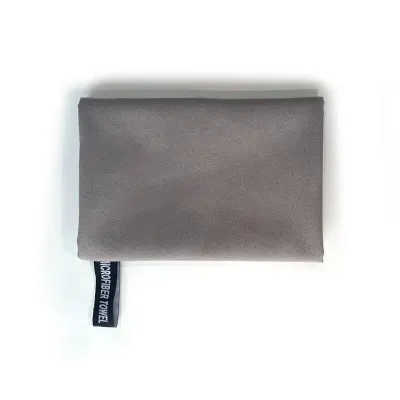
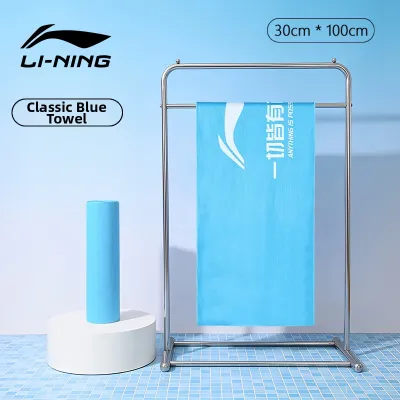
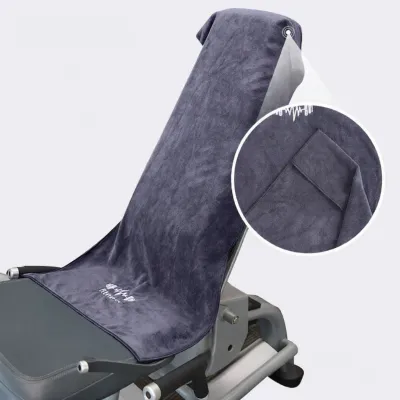
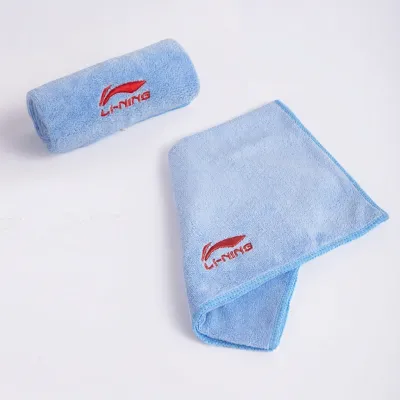
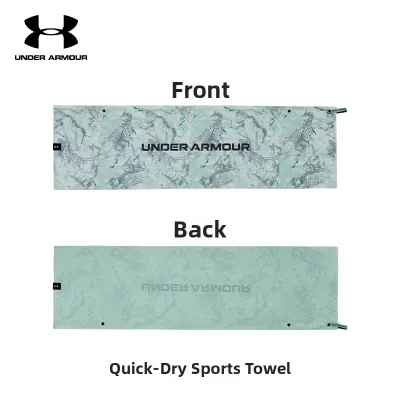
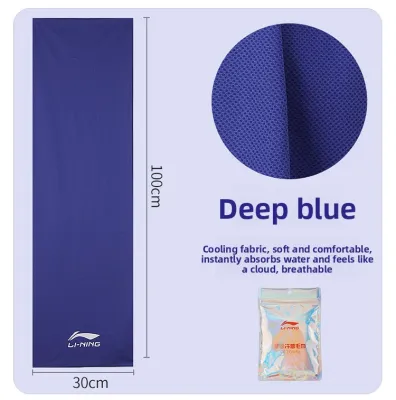
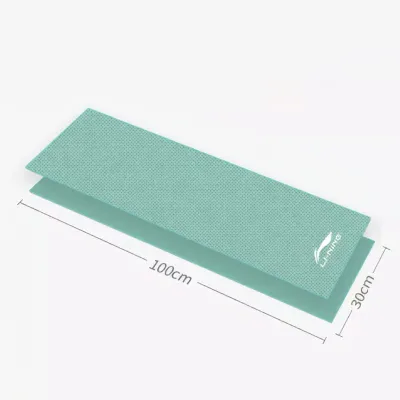
Prices are valid at publication and may change. Please refer to the product page for the latest price.
You can easily verify the quality and composition of a golf towel by checking its product care label. High-performance microfiber towels generally feature an 80/20 or 70/30 polyester-to-polyamide blend, which balances durability with water absorption. For cotton towels, look for labels indicating 100% cotton to ensure the fabric does not contain cheap synthetic fillers that can compromise its natural absorbency and softness.
Cleaning Golf Clubs: Grooves and Clubfaces
Maintaining clean clubfaces and grooves is essential for consistent ball contact and spin control. Microfiber towels are highly efficient at this task because their split fibers act like tiny squeegees. When damp, the capillary action of these fibers pulls water, fine sand, and grass juice out of the narrow grooves of your irons and wedges. The natural static charge of synthetic fibers also helps attract dry dust and loose soil during dry days.

Cotton towels rely primarily on the physical friction of their woven loops to clean equipment. While they may struggle to reach the very bottom of tight, modern wedge grooves, they excel at wiping away thick, caked clay or heavy mud accumulated after taking a deep divot. The robust nature of cotton fibers allows you to apply significant pressure without worrying about tearing the fabric.
Many modern golf towels feature specialized textures to enhance their cleaning capabilities. Waffle-weave microfiber is particularly popular because the recessed square patterns create pockets that trap larger dirt particles, keeping them away from the clubface. Some heavy-duty towels even incorporate integrated bristle patches or rubber scrubbing zones to combine the benefits of a brush and a towel in one product.
Regardless of the material you choose, you must monitor the buildup of debris on the fabric. If a section of your towel becomes heavily soiled with coarse sand or soil, stop using that area immediately. Wiping a premium, soft-cast wedge or a carbon-composite driver crown with a dirty towel can trap abrasive particles against the club, leading to fine scratches and premature wear on the club’s finish.
Drying Hands, Grips, and Equipment
Managing moisture is a constant challenge for golfers playing in warm and humid climates like Singapore. Sweaty hands and damp grips can cause the club to twist during the swing, leading to mishits. A reliable golf towel must be able to dry your hands and equipment quickly and thoroughly throughout the entire round.
Microfiber absorbs water rapidly by drawing moisture into its microscopic channels. However, in extremely humid conditions, microfiber can reach a saturation point where it feels damp to the touch and struggles to evaporate moisture quickly, especially if kept inside a closed golf bag pocket. It is highly efficient for quick wipes, but it requires proper airflow to remain effective.
Cotton absorbs moisture directly into its organic fibers, making it feel dry to the touch even after absorbing a moderate amount of water. However, once a cotton towel becomes fully saturated, it gains significant weight and takes a long time to dry. Wet cotton is also highly prone to retaining sweat oils and developing a sour, musty odor if left damp in a warm environment.
When selecting a towel, check the product specifications for its GSM (grams per square meter) rating. A GSM of 300 to 400 is typical for lightweight, quick-drying microfiber golf towels, offering a good balance of packability and absorbency. Cotton towels often range from 400 to 600 GSM, providing a plush, luxurious feel but requiring more drying time between rounds.
Durability, Care, and On-Course Maintenance
Proper maintenance is key to preserving the functional integrity of your golf towels. Microfiber requires specific washing restrictions to maintain its performance. Never wash microfiber with fabric softeners or bleach, as they coat the synthetic fibers and clog the microscopic channels, destroying absorbency. Instead, wash microfiber in cool or warm water with a mild detergent and air dry or tumble dry on low heat.
Cotton is much more resilient to standard laundry cycles. It can withstand hot water washes, heavy-duty detergents, and high-heat drying, which is excellent for sanitizing the fabric and removing deep grass stains. However, cotton is prone to lint shedding and pilling over time, which can transfer small fibers onto your club grips and hands.
On-course storage conditions play a major role in preventing mildew and odor buildup. Never leave a damp towel crumpled at the bottom of your golf bag or in the trunk of your car after a round. Hang it in a well-ventilated area immediately to allow it to dry completely.
You should regularly inspect your towels for signs of degradation. If your microfiber towel feels stiff, scratchy, or no longer absorbs water instantly, the fibers are likely clogged or have melted from high heat. For cotton towels, thinning fabric, frayed edges, and persistent musty odors that remain after washing are clear indicators that the towel has reached the end of its useful life and needs replacement.
Building Your Golf Towel Setup
Many experienced players design a two-towel system to handle different tasks on the course. In this configuration, a dedicated microfiber waffle towel is hung near the clubhead compartment specifically for cleaning clubfaces, grooves, and golf balls. A separate, clean cotton towel is kept dry and reserved exclusively for wiping hands, face, and grips.
When building your setup, consider the size, shape, and attachment mechanisms of the towels. Carabiners and grommets allow you to clip the towel directly to your bag’s accessory ring, keeping it off the wet grass. Center-slit towels, often called player’s towels, feature a central opening that allows them to drape securely over the alignment sticks or a club in your bag, making them easy to grab and carry to the green.
In humid climates like Singapore, where sudden afternoon downpours are common, keeping a spare dry towel in a zip-lock bag inside your golf bag is a smart practice. This ensures you always have a dry surface to restore grip tackiness when the weather turns, allowing you to maintain control over your shots regardless of the conditions.
Frequently Asked Questions (FAQ)
Can I use a regular bath towel instead of a dedicated golf towel?
Standard bath towels are too bulky and heavy for a golf bag, especially when walking the course. They lack specialized attachment loops or carabiners, meaning they easily slip off the bag or drag on the wet grass. Additionally, household towels are woven for skin comfort rather than scrubbing power, meaning they lack the tight waffle patterns or scrubbing zones needed to clear packed dirt from club grooves.
Does the towel material affect the lifespan of my golf grips?
The way you clean your grips directly impacts their longevity. Microfiber is gentle and highly effective at lifting oils, sweat, and sunscreen residue without damaging the rubber or polyurethane compounds. Cotton is also safe, but if a cotton towel has trapped coarse sand or is washed with harsh detergents, it can transfer abrasive particles or chemical residues to the grip, accelerating wear and reducing tackiness. Always wipe grips gently with a clean, damp section of the towel rather than scrubbing aggressively.
How often should I wash my golf towels during a tournament or regular play?
Wash your golf towels after every round, especially in hot, humid conditions where sweat, sunscreen, and grass stains accumulate. Storing a damp, dirty towel in your golf bag promotes mold growth and unpleasant odors. If you are playing a multi-day tournament, carry multiple clean towels so you can rotate them daily, ensuring a fresh, highly absorbent surface for every round.

Community discussion
Share your experience or ask a question. Comments are reviewed before publication.