
Choosing between a Nalgene 16oz plastic bottle and an insulated sports bottle for your gym workouts in Singapore comes down to a fundamental trade-off: lightweight, drop-resistant simplicity versus ice-cold temperature retention and a dry, condensation-free grip. In Singapore’s tropical climate, staying hydrated is a constant priority, whether you are training in an air-conditioned commercial gym or an open-air functional fitness box. The right bottle must not only hold enough water but also fit seamlessly into your daily commute, your gym bag, and your exercise routine.
A standard 16oz Nalgene bottle is highly valued for its minimal weight and exceptional durability, making it an easy choice for those who want a fuss-free hydration companion. Conversely, double-wall vacuum-insulated stainless steel bottles excel at keeping water chilled for hours, preventing the external sweating that can ruin your gear. By evaluating how these two bottle types perform across weight, condensation management, capacity, and maintenance, you can select the perfect option for your fitness lifestyle.
Core Differences: Weight, Material, and Temperature Control
The physical construction of your water bottle directly impacts how easy it is to carry throughout the day and how well it protects your drink. A standard 16oz Nalgene bottle is typically manufactured from high-quality co-polyester plastics, such as Tritan. This material is incredibly lightweight when empty, meaning it adds virtually no extra burden to your backpack or tote bag during your daily commute on the MRT or bus. Furthermore, these plastics are renowned for their high shatter resistance; if the bottle slips from your hands onto a hard gym floor or a treadmill, it is highly likely to bounce rather than crack.
Products mentioned in this guide
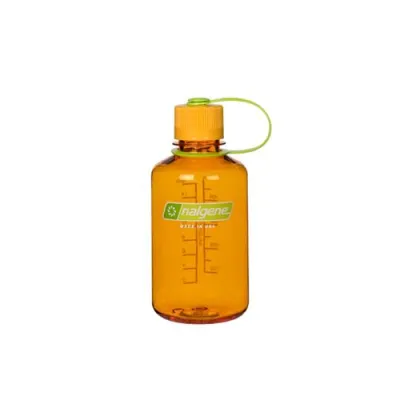
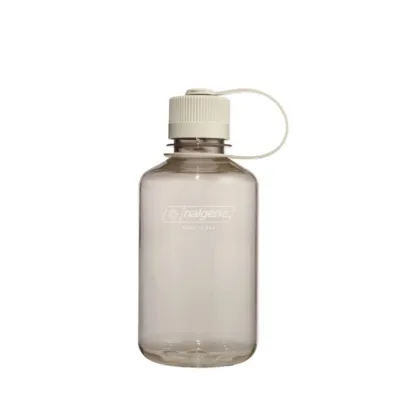
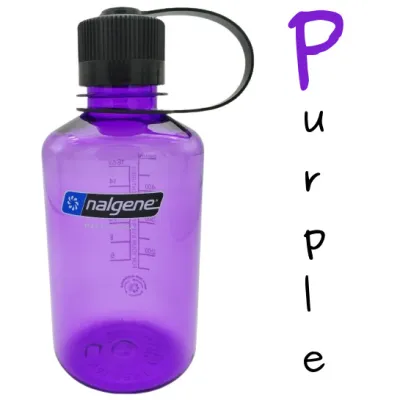
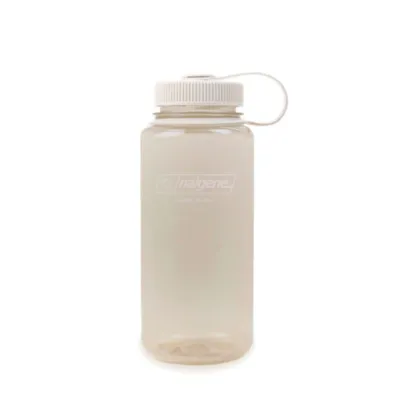
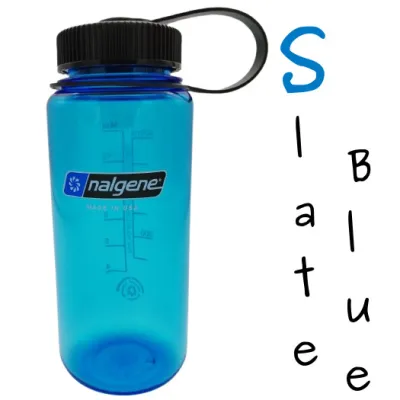
Prices are valid at publication and may change. Please refer to the product page for the latest price.
In contrast, insulated sports bottles are constructed using double-wall stainless steel, often utilizing food-grade 18/8 steel. This design features an inner and outer metal wall with a vacuum sealed between them. While this construction is highly durable, it makes the bottle significantly heavier even before you add water. While stainless steel is highly resistant to shattering, it is susceptible to cosmetic damage. A hard drop on a concrete floor or against a heavy dumbbell rack can result in permanent dents, scratches, or chipping of the exterior powder coating.
The most significant functional difference lies in temperature control. Because a plastic Nalgene bottle has only a single, relatively thin wall, it offers no thermal insulation. If you fill it with cold water, the liquid will rapidly absorb heat from the surrounding environment, quickly warming up to match the ambient temperature of the gym. An insulated stainless steel bottle, however, stops heat transfer. The vacuum barrier prevents conduction and convection, keeping your water cold for the duration of your workout, regardless of how warm the gym gets.
Managing Condensation and Grip in a Tropical Climate
Singapore’s high relative humidity introduces a unique challenge for single-wall water bottles filled with cold liquids. When you fill a plastic Nalgene bottle with ice water, the cold temperature quickly transfers to the outer surface of the plastic. As the warm, humid air of the gym comes into contact with this cold surface, the moisture in the air condenses, forming a layer of water droplets on the outside of the bottle. This phenomenon, commonly referred to as “sweating,” can make the bottle incredibly slippery.

A slippery bottle poses a practical problem during active gym sessions. If you are transitioning between high-intensity interval training (HIIT) stations, lifting heavy barbells, or performing kettlebell swings, your hands are likely already sweaty or tired. Trying to grab a wet, condensation-covered plastic bottle can lead to accidental drops, which can be disruptive or even hazardous in a crowded workout space. Insulated sports bottles completely eliminate this issue. Because the vacuum barrier prevents the cold internal temperature from reaching the outer steel wall, the exterior of the bottle remains dry and at room temperature, ensuring a secure, non-slip grip.
Beyond grip security, condensation can cause unwanted damage to your personal belongings. If you toss a sweating plastic bottle into your gym bag, the moisture can easily transfer to your clean clothes, towel, lifting straps, or sensitive electronics like wireless headphones and smartwatches. To prevent this, you would need to wrap the plastic bottle in a separate towel or use a dedicated waterproof sleeve. An insulated bottle can be placed directly alongside your gear without any risk of water damage, simplifying your packing routine.
Hydration Capacity and Refill Logistics
Capacity is a crucial factor in maintaining proper hydration during intense physical activity. A 16oz Nalgene bottle holds approximately 473ml of liquid. For a standard one-hour gym session, fitness professionals generally recommend consuming between 500ml and 1 liter of water, depending on your sweat rate and the intensity of your workout. This means a 16oz bottle may not hold enough water to last your entire session, requiring at least one trip to the gym’s water dispenser to refill.
In comparison, insulated sports bottles are widely available in a broader range of sizes, typically starting at 18oz or 20oz and extending up to 32oz or even 40oz. While a larger insulated bottle allows you to carry all the water you need for your workout without interruption, it also becomes significantly bulkier and heavier. If you prefer a streamlined, compact bottle that fits easily into standard cup holders on treadmills and stationary bikes, the 16oz size is highly convenient, but you must be prepared for regular refills.
When refilling is necessary, the design of the bottle’s mouth plays an important role. Many plastic Nalgene bottles feature a wide-mouth design, which allows for rapid refilling at gym water coolers or filtration stations. It also makes it easy to add ice cubes if you want to keep your water cool for a bit longer. Insulated bottles come in both wide-mouth and narrow-mouth configurations. While narrow-mouth designs are often easier to drink from without spilling during a workout, they can be more difficult to refill quickly and may not accommodate standard-sized ice cubes from gym dispensers.
Cleaning and Odor Prevention for Daily Gym Use
Keeping your gym bottle clean and hygienic is essential for preventing the buildup of bacteria, mold, and unpleasant odors. Gym environments are hotbeds for germs, as you constantly touch shared equipment, weights, and mats before grabbing your water bottle. Therefore, the ease of cleaning your bottle should be a key consideration in your decision.
Plastic Nalgene bottles are highly favored for their straightforward maintenance. Most Tritan plastic bottles are dishwasher-safe, allowing you to run them through a high-temperature wash cycle to sanitize them thoroughly. However, you should always check the manufacturer’s specific care label to confirm the heat tolerance limits of your specific model. Insulated stainless steel bottles, on the other hand, often require hand-washing. The high heat and harsh detergents of a dishwasher can damage the vacuum seal or degrade the exterior powder coating over time, though some brands do offer dishwasher-safe models.
The complexity of the lid mechanism also affects how clean your bottle stays. Simple screw-on caps, common on many Nalgene bottles, have very few crevices, making them incredibly easy to scrub and dry. Many insulated sports bottles feature more complex lid designs, such as straw lids, bite valves, or push-button spout covers. While these lids offer convenient, one-handed drinking during a workout, they contain small parts where moisture, saliva, and sports drink residues can trap bacteria. These require specialized cleaning brushes and regular disassembly to prevent mold growth and stubborn odors.
Decision Framework: Which Bottle Fits Your Workout?
To choose the ideal water bottle for your gym routine in Singapore, consider how your training style, commuting habits, and personal preferences align with the strengths of each bottle type.
You should choose the Nalgene 16oz bottle if:
- Portability is your top priority: You commute via public transport and want a lightweight, compact bottle that won't add unnecessary weight to your bag.
- You want maximum durability: You need a bottle that can survive being dropped on hard gym floors or concrete without denting or losing its structural integrity.
- You prefer simple maintenance: You want a bottle that is easy to clean, dishwasher-safe, and has a simple lid with no complex parts to scrub.
- You are comfortable with ambient-temperature water: You do not mind drinking water that eventually warms up to room temperature during your workout.
You should choose an insulated sports bottle if:
- Cold water is essential: You find that drinking ice-cold water helps you stay refreshed, cool down, and maintain your stamina during intense workouts.
- You want to avoid condensation: You want to prevent water droplets from making your bottle slippery or dampening the clothes and electronics inside your gym bag.
- You prefer fewer refills: You are willing to carry a slightly heavier bottle in exchange for a larger capacity that lasts your entire workout session.
Before making your final purchase, always verify the specific product specifications on the packaging or manufacturer’s website. Check for material safety certifications, such as BPA-free labels, and ensure the bottle’s dimensions are compatible with your gym bag’s side pockets or the cup holders on your favorite cardio machines.
Frequently Asked Questions (FAQ)
Can I put boiling water in a standard 16oz Nalgene bottle?
Before pouring boiling water into any plastic bottle, you must check the specific resin identification code and the manufacturer’s stated temperature limits on the product label. While many high-quality co-polyester plastic bottles are designed to handle extreme temperatures, other plastics can warp, crack, or release unwanted chemicals when exposed to boiling water. Never assume that all clear plastic bottles are safe for hot liquids; always verify the official manufacturer guidelines to ensure safe usage.
Do insulated sports bottles keep water cold for the entire gym session?
Insulated sports bottles are highly effective at maintaining cold temperatures, but the exact duration of thermal retention depends on several external factors. The initial temperature of the water, the volume of ice cubes added, the ambient temperature of your gym, and how frequently you open the lid all play a role in how long your drink stays chilled. For realistic expectations regarding temperature retention, consult the specific brand’s tested thermal ratings and user manuals.

Community discussion
Share your experience or ask a question. Comments are reviewed before publication.