
Selecting the ideal hydration companion for your workouts often comes down to a fundamental choice between lightweight simplicity and thermal performance. The decision between a Nalgene 500ml bottle and a double-wall insulated sports bottle depends on your specific exercise environment, workout intensity, and how you prefer to carry your gear. For those who prioritize minimal weight, rugged impact resistance, and effortless cleaning, a single-wall plastic bottle like the Nalgene 500ml serves as an exceptionally practical choice. Conversely, if your fitness routine involves long outdoor sessions, hot yoga, or humid environments where ice-cold water and a sweat-free exterior are essential, an insulated stainless steel bottle is generally the more suitable option.
Key Differences Between Nalgene 500ml and Insulated Bottles
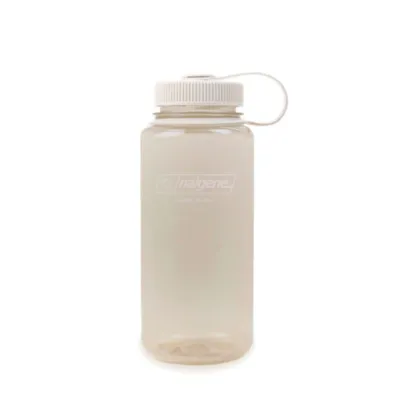
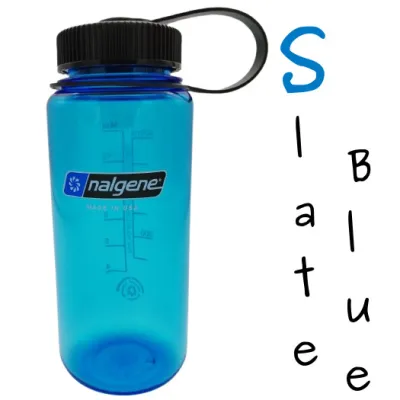
To understand which bottle fits your routine, it is helpful to examine the core differences in materials and construction. A standard Nalgene 500ml bottle is typically manufactured from high-grade, BPA-free co-polyester plastics. This single-wall construction results in a highly durable, translucent container that allows you to monitor your fluid intake at a glance. Because there is only a single layer of plastic separating your beverage from the surrounding air, these bottles do not offer thermal insulation, meaning the liquid inside will gradually adapt to the ambient temperature of your workout environment.
In contrast, insulated sports bottles are usually constructed from food-grade double-wall stainless steel, often utilizing 18/8 or 18/10 chromium-nickel alloys. The defining feature of these bottles is the vacuum insulation barrier. During manufacturing, the air between the inner and outer steel walls is evacuated, creating a vacuum. Since heat requires a physical medium to transfer via conduction or convection, this vacuum layer drastically slows down the rate of heat exchange between the liquid inside and the external atmosphere.
Products mentioned in this guide
Prices are valid at publication and may change. Please refer to the product page for the latest price.
The 500ml capacity benchmark represents a highly versatile volume for active individuals. It provides enough hydration for a standard 45-to-60-minute moderate workout without becoming overly bulky. However, the physical footprint of these two bottle types differs significantly despite holding the same volume of liquid. Because insulated bottles require two layers of steel and an internal vacuum gap, they are inherently wider and taller than a single-wall plastic bottle of the same capacity. When planning your gear setup, you must account for this difference in physical volume, as it directly impacts how the bottle fits into standard storage compartments.
Evaluating Weight and Portability for Active Use
Portability is a critical factor during high-intensity training, trail running, or daily commuting. A single-wall plastic bottle is remarkably light when empty, often weighing a fraction of its stainless steel counterparts. This minimal tare weight makes the Nalgene 500ml an excellent option for activities where every gram matters, such as long-distance running, fast-packing, or when packing a gym bag that is already loaded with heavy shoes and apparel. When filled to its 500ml capacity, the total weight remains highly manageable, allowing you to slip it into a running belt, a small backpack side pocket, or a standard bicycle bottle cage without feeling weighed down.

Insulated stainless steel bottles carry a noticeable weight penalty even before you add water. The double-wall steel construction and the robust lid mechanisms required to maintain a thermal seal add substantial mass. If you are performing high-intensity interval training (HIIT) or exercises that require quick, one-handed hydration breaks, the heavier weight of an insulated bottle can alter your movement dynamics. Furthermore, some insulated bottles feature wider profiles that may not fit securely into standard bicycle cages or the narrow mesh pockets of lightweight running vests, requiring you to verify the physical dimensions of your carrying gear beforehand.
Ergonomics and lid functionality also play a major role in how portable a bottle feels during active use. Many plastic bottles feature simple, reliable screw caps attached by a retaining loop, which prevents the lid from being lost but typically requires two hands to open and close. Insulated sports bottles, on the other hand, frequently offer a wider variety of lid styles, including straw lids, push-button flip tops, and sports caps designed for quick, one-handed operation. While these specialized lids make it easier to take a quick sip while on a treadmill or spin bike, they also introduce more moving parts and silicone seals that require regular inspection to prevent leaks.
Temperature Control and Hydration Needs During Exercise
Your choice of bottle should align closely with your hydration preferences and the thermal demands of your workout environment. If you prefer drinking ice-cold water during a grueling outdoor boot camp or a session in a non-air-conditioned gym, an insulated bottle is highly advantageous. The vacuum barrier prevents external heat from warming your drink, keeping your water cold for hours. This thermal stability is also beneficial for outdoor winter workouts, as it prevents your warm beverages from cooling down too quickly or freezing in sub-zero conditions.
Single-wall plastic bottles cannot regulate temperature. If you fill a Nalgene 500ml bottle with ice water and step into a warm, humid environment—such as an outdoor fitness corner or a non-air-conditioned gym in Singapore—the ice will melt rapidly as heat transfers directly through the thin plastic wall. Additionally, this rapid heat transfer causes moisture in the air to condense on the cold exterior of the bottle. This condensation, often referred to as “sweating,” can make the bottle slippery to hold during a workout and can leave damp patches inside your gym bag or on wooden fitness floors. If you choose a single-wall bottle, you may need to use a protective sleeve to manage condensation.
When evaluating thermal performance, it is important to look past marketing claims and check the manufacturer’s official specifications. Thermal retention hours can vary widely depending on the quality of the vacuum seal, the thickness of the steel, and the design of the lid. Lids are often the primary point of thermal loss, as they are typically made of non-insulated plastic. To maximize the performance of an insulated bottle, look for models that specify thermal retention ratings for both cold and hot liquids, and ensure the lid design matches your specific activity level.
Durability, Cleaning, and Long-Term Maintenance
Both plastic and stainless steel bottles are designed to withstand the rigors of active use, but they respond differently to physical impacts. High-grade co-polyester plastics are exceptionally resilient; a Nalgene 500ml bottle can survive drops onto hard gym floors, concrete paths, or rocky trails with minimal damage, usually resulting in minor surface scratches rather than structural failure. This makes plastic highly reliable for rugged outdoor sports or environments where gear is frequently dropped or tossed around.
Stainless steel bottles are also highly durable, but they are susceptible to cosmetic and structural damage from hard impacts. Dropping a steel bottle on concrete can result in dents, scratches, or chipped powder coatings. In severe cases, a hard drop can compromise the vacuum seal by cracking the weld between the inner and outer walls. Once the vacuum is lost, the bottle’s insulating properties are permanently degraded, turning it into a heavy, single-wall container. If you choose an insulated bottle, consider using a silicone protective boot on the base to absorb impacts and prevent denting.
Hygiene and ease of cleaning are vital for any reusable water bottle, especially if you use sports drinks, electrolyte powders, or protein mixes. Single-wall plastic bottles with wide mouths are incredibly easy to clean, as you can easily reach the bottom with a standard bottle brush. Many co-polyester bottles are dishwasher-safe, though you should always verify the specific resin code and manufacturer instructions on the base of the bottle. Stainless steel bottles often require hand washing to protect the vacuum seal and exterior finishes, and their narrower necks can make thorough cleaning more challenging. Furthermore, plastic can sometimes retain odors or stains from strong sports drinks if not washed immediately, whereas high-quality stainless steel is generally highly resistant to odor absorption and staining.
How to Choose the Right Bottle for Your Workout Routine
To make your final decision, evaluate your typical workout environment and carrying preferences against the unique strengths of each bottle type. If your primary goals are minimizing weight, ensuring maximum drop resistance, and having a bottle that is easy to toss into a dishwasher after a workout, the Nalgene 500ml is an outstanding, cost-effective choice. It is particularly well-suited for backpackers, trail runners, and gym-goers who prefer room-temperature water and want a simple, indestructible hydration tool.
If you prioritize keeping your drinks ice-cold for hours, dislike dealing with exterior condensation, and prefer a premium, solid feel, an insulated sports bottle is the better investment. This option is ideal for hot yoga practitioners, outdoor athletes training in warm climates, and anyone who finds cold water more refreshing and motivating during intense exercise. When purchasing an insulated bottle, look for reputable brands that offer reliable lid designs and clear specifications regarding thermal performance.
Before finalizing your purchase, always verify the product labels and manufacturer guidelines. Check for material certifications, such as BPA-free labels, and confirm whether the bottle is dishwasher-safe or hand-wash only. Additionally, measure your gym bag pockets, cup holders, or bicycle cages to ensure your chosen bottle will fit securely. By matching the specific material properties and design features to your personal fitness routine, you can ensure your hydration gear supports your active lifestyle for years to come.
Frequently Asked Questions (FAQ)
Can I put boiling water in a Nalgene 500ml bottle?
Before pouring boiling water into any plastic bottle, you must check the specific resin identification code and the manufacturer’s guidelines printed on the product. While some high-grade co-polyester bottles are designed to withstand high temperatures, other plastics can warp, degrade, or release unwanted chemicals when exposed to extreme heat. If the manufacturer’s label does not explicitly state that the bottle is safe for boiling liquids, it is best to avoid using it for hot beverages to prevent structural damage or potential safety hazards.
Do insulated sports bottles sweat when filled with ice water?
Under normal operating conditions, a high-quality double-wall vacuum insulated bottle should not experience condensation on its exterior steel surface. The vacuum barrier prevents the cold temperature of the inner wall from reaching the outer wall, keeping the exterior at ambient temperature. However, you may still notice minor condensation around the lid or collar area, as these components are typically made of non-insulated plastic or silicone. If you experience significant sweating across the entire body of the bottle, it may indicate that the vacuum seal has been compromised.

Community discussion
Share your experience or ask a question. Comments are reviewed before publication.