
When comparing Nalgene, Hydro Flask, and Owala for temperature retention, the fundamental difference lies in their core construction. Standard Nalgene bottles are typically single-wall Tritan plastic, meaning they offer no thermal insulation and will sweat with cold liquids or transfer heat with hot ones. Hydro Flask and Owala specialize in double-wall vacuum-insulated stainless steel, designed specifically to maintain beverage temperatures for extended periods. If you are looking at Nalgene’s specific stainless steel lines, the comparison shifts to lid design and build quality, but for pure insulation performance, vacuum-sealed brands generally hold the advantage.
Choosing the right sports water bottle requires looking beyond brand popularity to understand how different materials and designs interact with your environment. Whether you are packing for a demanding trek in humid weather, heading to a local fitness center, or commuting on public transit, the way a bottle manages heat transfer directly impacts your hydration experience. By evaluating the structural engineering behind these brands, you can select a bottle that aligns with your daily physical demands and performance expectations.
How Insulation Technologies Actually Work
To understand why these bottles perform so differently, it is essential to look at the physics of thermal transfer. Heat moves from warmer areas to cooler areas through three primary methods: conduction, convection, and radiation. Single-wall containers, whether made of plastic or metal, provide only a single barrier between your beverage and the surrounding environment. Because materials like plastic and stainless steel still conduct heat, thermal energy quickly passes through the wall of the bottle. If you fill a single-wall bottle with ice water on a warm day, heat from the outside air rapidly warms the liquid inside, while moisture in the air condenses on the cold exterior, creating a slippery layer of sweat.
Products mentioned in this guide
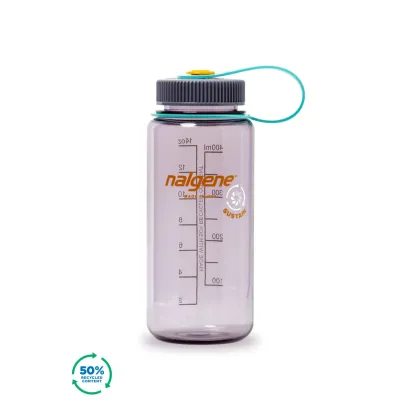
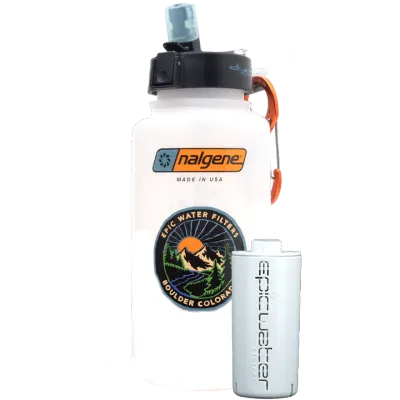
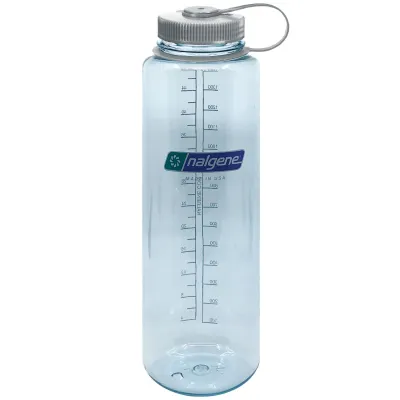
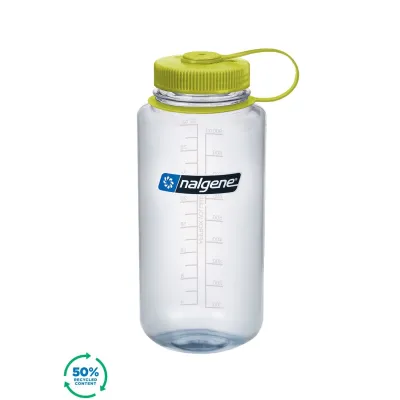
Prices are valid at publication and may change. Please refer to the product page for the latest price.
Double-wall vacuum insulation solves this problem by eliminating the medium through which heat can travel. This construction features an inner and an outer bottle welded together, with the air completely evacuated from the space between them to create a vacuum. Because a vacuum contains virtually no air molecules, heat cannot transfer via conduction or convection across this gap. The only remaining pathway for heat transfer is radiation, which manufacturers often minimize by applying reflective coatings to the inner walls. This advanced engineering ensures that the temperature of your beverage remains stable for hours, regardless of external weather conditions.
However, even the most advanced vacuum-insulated bottle has a thermal weak point: the lid. While the body of the bottle is protected by a vacuum gap, the lid is typically made of solid plastic, silicone, or rubber, which do not offer the same level of insulation. Heat slowly enters or escapes through the neck of the bottle and the lid assembly. The size of the opening, the thickness of the lid, and the integrity of the silicone seals all play critical roles in overall thermal retention. A wide-mouth bottle allows more rapid heat exchange when opened, whereas a narrow spout or a highly sealed screw cap preserves the internal temperature much longer.
Nalgene, Hydro Flask, and Owala: Insulation and Material Differences
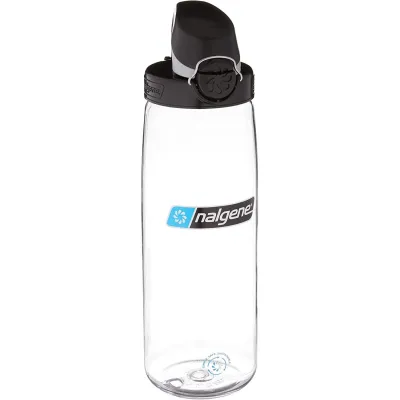
The classic Nalgene bottle is synonymous with outdoor durability, but it is not designed for temperature control. Made from Tritan copolymer, a specialized BPA-free plastic, the standard Nalgene is a single-wall vessel. While Tritan is incredibly impact-resistant and lightweight, it offers virtually no insulation. Nalgene does produce some stainless steel models, including single-wall options favored by bushcrafters for boiling water directly over a campfire, as well as select insulated lines. However, the brand’s primary identity remains rooted in lightweight, high-capacity, non-insulated plastic bottles that prioritize volume and ruggedness over thermal retention.

Hydro Flask, by contrast, built its reputation entirely on premium temperature control. Utilizing their proprietary TempShield double-wall vacuum insulation, Hydro Flask bottles are engineered to keep cold drinks cold and hot drinks hot for extended periods. Constructed from pro-grade 18/8 stainless steel, these bottles are highly resistant to retaining flavors and odors. The exterior is finished with a signature powder coat, which not only adds durability but also provides a textured, slip-resistant grip even when your hands are wet. Hydro Flask focuses on a streamlined, classic design with highly reliable thermal performance, making it a benchmark for outdoor enthusiasts.
Owala has emerged as a major competitor by combining robust vacuum insulation with highly innovative lid designs. Their stainless steel models feature double-wall vacuum insulation that performs comparably to other premium insulated flasks. What sets Owala apart is the FreeSip lid, a patented mechanism that offers two distinct ways to drink: sipping upright through a built-in straw or tilting the bottle back to swig from a wider spout. While the insulated steel body keeps liquids cold, the complex lid mechanism introduces more moving parts and potential thermal pathways than a simple screw cap. For most users, the slight trade-off in absolute thermal retention is easily offset by the sheer convenience of the drinking design.
Matching Temperature Retention to Your Activity
When selecting a bottle, matching its insulation capabilities to your specific activity is crucial for comfort and convenience. For high-intensity gym workouts or indoor fitness classes, your primary needs are quick access to water and a bottle that is easy to handle. A lightweight, single-wall Nalgene allows you to monitor your hydration levels through its translucent walls and is easy to toss into a gym bag without adding unnecessary weight. However, if you prefer ice-cold water to help regulate your core temperature during intense training, an insulated bottle is highly beneficial. Furthermore, the condensation on a single-wall bottle can make it slippery to hold and leave wet rings on gym equipment, a problem that insulated bottles completely eliminate.
For long outdoor hikes, camping trips, or activities in extreme weather, temperature control becomes a matter of safety and comfort. In hot, humid environments, drinking warm water can be unappealing and less effective at cooling you down, making the superior cold retention of a Hydro Flask or Owala highly valuable. Conversely, in freezing winter conditions, a single-wall plastic bottle can easily freeze solid, leaving you without drinkable water. An insulated bottle acts as a barrier, preventing your water from turning to ice. However, if you are backpacking over long distances where every gram of gear weight matters, the heavy steel of an insulated bottle might be a drawback, leading some hikers to choose a lightweight Nalgene despite the lack of insulation.
For daily commuting, office environments, and casual use, the priorities shift toward leak prevention, cup-holder compatibility, and versatile drinking options. Navigating public transit or working at a desk requires a bottle that will not leak inside a bag or leave condensation puddles on documents. The Owala FreeSip is exceptionally well-suited for this lifestyle. Its one-handed push-button operation allows you to take a quick drink while walking or working, and its insulated body keeps your beverage cold throughout the day. A classic wide-mouth Nalgene is often too bulky for standard vehicle cup holders and requires two hands to unscrew, making it less convenient for daily transit.
Which Bottle Should You Choose?
To make the right decision, evaluate your primary hydration environments and choose the brand that aligns with your practical needs:
Choose Nalgene if you prioritize a lightweight carry, extreme impact resistance, and a budget-friendly option. It is the ideal choice for rugged backpacking trips where weight is critical, or for situations where you need to measure your water intake precisely. It is also highly useful if you want a bottle that can double as a warm bed heater on cold camping nights by filling it with warm water within its specified temperature limits.
Choose Hydro Flask if you require maximum, long-term temperature retention for both hot and cold beverages, prefer a classic and rugged outdoor aesthetic, and want a highly durable powder-coated finish. It is best suited for those who need a dependable, straightforward insulated flask that can withstand rough handling on trails and keep drinks at the desired temperature for hours.
Choose Owala if your main priorities are everyday convenience, versatile drinking options, and easy one-handed operation. The FreeSip lid is highly practical for driving, working at a desk, or casual workouts, offering excellent cold retention without requiring you to tilt your head back to drink.
Before purchasing, always verify the specific model’s insulation type. If you are considering Nalgene’s stainless steel options, check the product specifications to confirm whether it is a single-wall model or a double-wall vacuum-insulated model, as their performance profiles differ significantly.
Key Specifications to Verify Before Buying
When shopping for a sports water bottle, do not rely solely on brand names or material appearance. Always check the product packaging or online specifications for explicit terms like “double-wall vacuum insulation” to ensure you are getting thermal protection. Some stainless steel bottles are single-wall construction, which offers no insulation and will transfer heat rapidly.
Additionally, inspect the material grades and exterior finishes. Look for high-quality 18/8 food-grade stainless steel to ensure durability and prevent metallic taste transfer. A textured powder coating is highly beneficial for maintaining a secure grip when the bottle is wet or when you are wearing gloves.
Finally, verify lid compatibility and safety warnings. Many insulated bottles with straw lids or flip-top spouts are not rated for hot liquids because pressure can build up inside the vacuum-sealed container, creating a safety hazard when opened. If you plan to carry hot coffee or tea, ensure you use a lid specifically designed and rated by the manufacturer for hot beverages.
Frequently Asked Questions (FAQ)
Can I put boiling water in a standard plastic Nalgene bottle?
Standard Nalgene bottles made from Tritan plastic are highly heat-resistant, but you must always check the specific temperature limits molded onto the bottom of the bottle or listed on the packaging. While Tritan can typically handle liquids up to boiling temperatures (around 100°C) without melting or leaching chemicals, doing so turns the single-wall bottle into an immediate burn hazard. Because there is no insulation, the exterior of the bottle will instantly become as hot as the liquid inside. If you must use it for hot liquids, use extreme caution, wear protective gloves, or wrap the bottle in a sleeve to prevent skin burns.
Does a built-in straw affect the insulation of an Owala or Hydro Flask?
Yes, any lid design that incorporates a straw, spout, or complex opening mechanism can slightly reduce the bottle’s overall thermal efficiency compared to a solid, fully insulated screw-on cap. The straw and the lid components are made of plastic and silicone, which act as thermal bridges, allowing heat to slowly transfer into or out of the bottle. Additionally, if the straw opening is left exposed to the air, ambient heat will enter the bottle more rapidly. However, for everyday use and typical workouts, this difference in temperature retention is minimal and usually outweighed by the convenience of the drinking mechanism.

Community discussion
Share your experience or ask a question. Comments are reviewed before publication.