
Selecting the right water bottle for your workout routine in Singapore’s tropical climate involves balancing two competing priorities: weight and temperature control. When exercising in high humidity and ambient temperatures that regularly exceed 30 degrees Celsius, staying hydrated is essential for performance and safety. The choice between a classic, non-insulated Nalgene bottle and a double-wall vacuum-insulated sports bottle ultimately depends on whether you prioritize ice-cold water or a lightweight, high-capacity carrying experience.
Each bottle type presents distinct trade-offs. A non-insulated plastic bottle offers durability, a lightweight profile, and clear volume markings that make tracking your daily water intake straightforward. However, it cannot prevent your water from warming up quickly in the heat, and it will sweat when filled with ice. Conversely, an insulated stainless steel bottle keeps your drinks cold for hours and prevents exterior condensation, but it adds significant physical weight to your gym bag or running pack. Understanding how these factors align with your specific exercise habits will help you make the most practical choice.
Core Differences Between Nalgene and Insulated Bottles
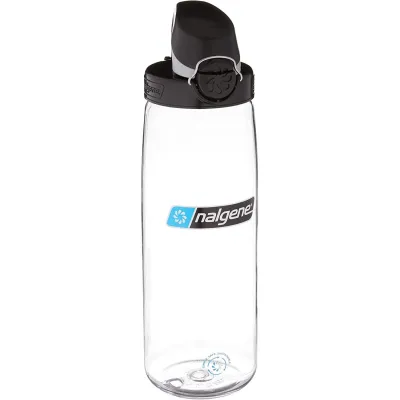
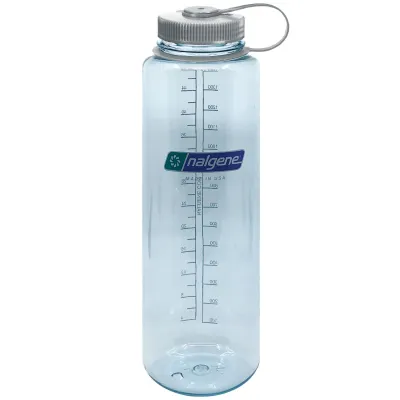
To understand how these bottles perform during a workout, it is helpful to look at their construction and materials. A classic Nalgene bottle is typically made from single-wall Tritan, a high-grade, BPA-free co-polyester plastic. Because it consists of a single layer of material, there is no barrier to slow down heat transfer between the liquid inside and the air outside. This simple construction makes the bottle exceptionally light when empty and allows you to see exactly how much liquid remains.
Products mentioned in this guide
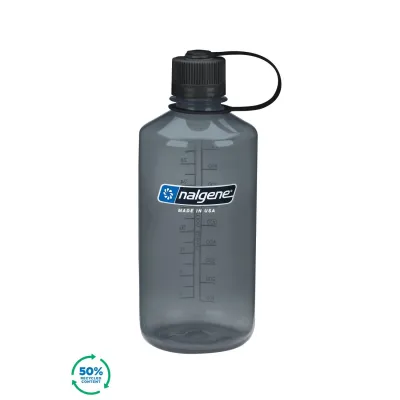
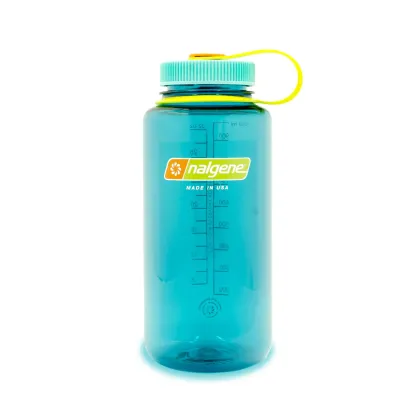
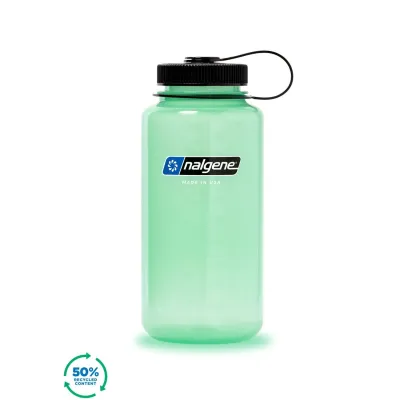
Prices are valid at publication and may change. Please refer to the product page for the latest price.
In contrast, insulated sports bottles utilize a double-wall stainless steel construction. During manufacturing, the air between the inner and outer steel walls is vacuum-sealed. Because heat requires a medium to travel through, this vacuum layer acts as a highly effective barrier, preventing external heat from warming your cold water. This thermal protection requires more material, which inherently increases the baseline weight of the bottle even before you fill it with water.
The material difference also dictates how the bottles handle condensation. When you put ice water into a single-wall plastic bottle, the cold temperature quickly transfers to the outer surface. In Singapore’s humid air, moisture condenses on this cold exterior, causing the bottle to “sweat” and leave puddles on gym equipment or damp spots inside your bag. An insulated bottle keeps the cold contained on the inside, leaving the outer steel wall at room temperature and completely dry to the touch.
Evaluating Hydration Needs for Your Workout Routine
Temperature Retention in Hot Climates
When you are training outdoors at East Coast Park or pushing through a session in an un-air-conditioned functional fitness gym, water temperature can directly affect how much you drink. Cold water is often more refreshing during intense exertion, which can encourage you to hydrate more frequently. Vacuum-insulated bottles excel in these environments because their thermal barrier prevents the surrounding heat from warming your beverage.

Single-wall plastic bottles, on the other hand, offer no thermal resistance. If you fill a Nalgene bottle with cold water and step outside, the liquid will rapidly adjust to the ambient temperature. While drinking room-temperature water is perfectly fine for hydration, it may not provide the cooling sensation you desire during a humid midday workout.
If temperature retention is your primary concern, you should check the manufacturer’s specifications for thermal performance, as insulation capabilities can vary based on the bottle’s design and lid type. Additionally, consider the bottle’s opening size. A wide-mouth design allows you to easily drop in large ice cubes, which can help maintain a cold temperature for longer periods, whereas a narrow mouth may limit you to smaller ice chips but offers a more controlled pour during movement.
Weight, Capacity, and Portability
The physical burden of carrying your hydration is a critical factor, especially for dynamic workouts, long-distance running, or commuting on public transport. A lightweight bottle reduces fatigue and makes it easier to maintain your form during outdoor activities. Non-insulated plastic bottles are remarkably light, allowing almost all of the carrying weight to consist of the water itself. This makes them highly suitable for trail runners, hikers, and those who walk long distances to their workout venues.
Insulated steel bottles are significantly heavier even when empty. When you add the weight of the water, a large insulated bottle can become a cumbersome addition to your gear. If your workout involves running with a handheld bottle or carrying a backpack, this extra weight can alter your stride or cause unnecessary shoulder strain.
Portability also depends on physical dimensions. Before purchasing, it is wise to check the bottle’s diameter against the cup holders on treadmills, the bottle cages on bicycles, or the side pockets of your favorite gym bag. Many high-capacity bottles, both plastic and insulated, feature wider profiles that may not fit standard holders, requiring you to carry them by hand or store them horizontally, which increases the risk of accidental leaks if the lid is not perfectly sealed.
Durability, Maintenance, and Hygiene
Your workout bottle needs to withstand the daily wear and tear of being tossed into gym lockers, dropped on concrete, and washed repeatedly. High-quality single-wall plastic bottles are famous for their impact resistance. While they can scratch or scuff over time when dropped on rough surfaces, they rarely crack or shatter under normal workout conditions.
Stainless steel insulated bottles are also highly durable, but they react differently to impacts. A hard drop on a concrete floor or outdoor trail will often result in dents or paint chips. While a dented steel bottle usually remains functional, a severe impact can compromise the vacuum seal between the double walls. If this seal is broken, the bottle will lose its insulating properties permanently, turning it into a heavy, non-insulated container.
Hygiene and ease of cleaning are equally important for long-term use. Many single-wall plastic bottles are dishwasher-safe, making them incredibly easy to sanitize after a sweaty workout. In contrast, many vacuum-insulated bottles require hand-washing to prevent the high heat of a dishwasher from damaging the vacuum seal or peeling the exterior powder coating. Regardless of the material, you should regularly inspect the lid mechanisms, clean any built-in straws with a dedicated brush, and check the silicone O-rings for wear to prevent mold growth and leaks.
Decision Framework: Choosing Your Workout Bottle
To determine which bottle type best fits your active lifestyle, consider where you exercise, how you travel, and what you prioritize during a workout.
You should choose a non-insulated plastic bottle if your routine prioritizes lightweight portability and simple utility. If you are a runner tracking your exact water intake, the clear volume markings on a plastic bottle allow you to monitor your hydration progress at a glance. These bottles are also ideal if you commute via public transport and want to minimize the weight in your backpack, or if you need a rugged, low-maintenance bottle that you can toss onto the floor of a basketball court or gym without worrying about dents or broken seals.
Conversely, you should choose an insulated stainless steel bottle if your workouts primarily take place outdoors in the heat and you find warm water unappealing. The ability to enjoy ice-cold water after a challenging outdoor run or during a hot yoga session can make a significant difference in your comfort. An insulated bottle is also the better choice if you carry sensitive electronics, such as a laptop or tablet, in the same bag as your water bottle, as the condensation-free exterior ensures your other belongings stay dry.
Before making your final decision, verify the physical constraints of your workout environment. Check the dimensions of the bottle cages on your bicycle, the pockets of your running vest, or the cup holders on your local gym’s cardio machines. Ensuring your chosen bottle fits your existing gear will prevent frustration and help you maintain a consistent hydration routine.
Frequently Asked Questions (FAQ)
Are non-insulated plastic bottles safe for hot environments?
Yes, modern non-insulated bottles made from high-quality, BPA-free plastics like Tritan are designed to be safe for daily use in warm climates. However, you should avoid leaving plastic bottles in areas exposed to extreme, concentrated heat, such as inside a locked car parked in direct sunlight. Always check the manufacturer’s guidelines regarding temperature limits to ensure the material does not degrade or warp over time.
Can I put boiling water in a standard Nalgene bottle?
Many standard Nalgene bottles made from Tritan are rated to withstand boiling temperatures, allowing you to use them for hot beverages or even as a makeshift warm pack. However, because the bottle is single-walled, the exterior will immediately become extremely hot to the touch, presenting a burn hazard if handled without protection. Always verify the specific temperature rating of your exact bottle model before exposing it to boiling liquids, and exercise caution when handling hot containers.

Community discussion
Share your experience or ask a question. Comments are reviewed before publication.