
When evaluating natural rubber yoga mats, the decision ultimately comes down to balancing joint cushioning against stability, and understanding how the material reacts to moisture. While natural rubber generally offers reliable dry grip and eco-friendly appeal compared to synthetic alternatives, its heavier weight and specific care requirements mean it is not a universal fit for every practitioner. This guide breaks down the core performance dimensions—thickness, traction, and daily usability—to help you match the right mat specifications to your specific yoga practice and environment.
Understanding Natural Rubber Yoga Mat Characteristics
Natural rubber mats are primarily sourced from the sap of rubber trees, making them a popular choice for practitioners seeking biodegradable and renewable materials. Unlike synthetic alternatives such as polyvinyl chloride (PVC) or thermoplastic elastomer (TPE), natural rubber does not rely on petroleum-based chemical synthesis. This organic origin gives the material its characteristic density and high elasticity, which translate to a solid, grounded feel during practice.
However, these natural properties come with specific trade-offs that you should consider before purchasing. Natural rubber is inherently heavier than synthetic foams, making transport more demanding. New mats also typically emit a distinct, sweet rubber odor that requires a period of open-air ventilation to dissipate. Additionally, natural rubber is highly sensitive to environmental factors like ultraviolet (UV) light and skin oils, which can accelerate the degradation of the material over time.
Products mentioned in this guide

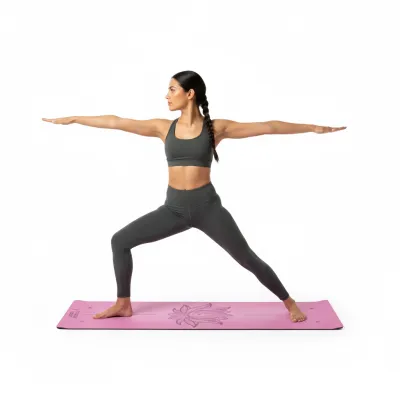
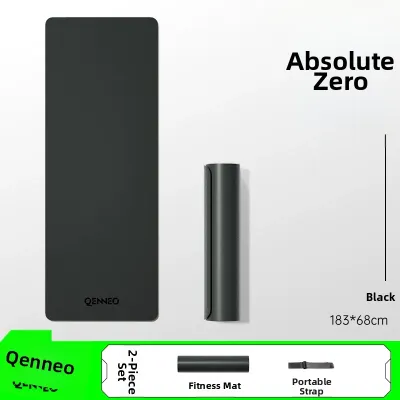
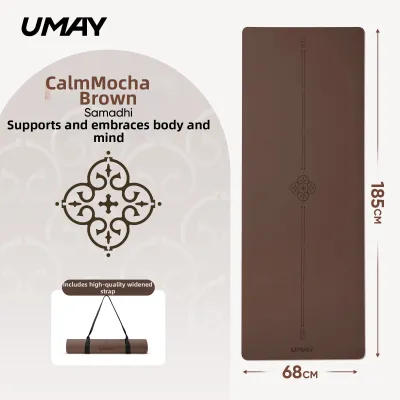
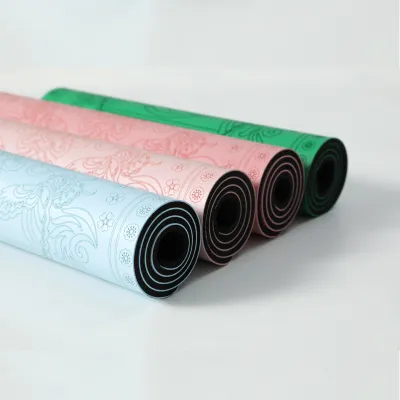
Prices are valid at publication and may change. Please refer to the product page for the latest price.
Because manufacturing processes and formulations vary widely across the industry, some mats blend natural rubber with synthetic polymers or fabric backings to enhance durability or reduce weight. It is essential to check individual product labels and manufacturer specifications to verify the exact material composition and ensure the blend aligns with your preferences.
Comparing Thickness Options for Different Yoga Practices
Selecting the right thickness is a critical step in finding a mat that supports your body and your specific style of yoga. Natural rubber mats generally range from ultra-thin travel versions to substantial studio models, with each thickness serving a distinct purpose.

Thin to standard mats, typically measuring between 3mm and 4mm, are highly favored for active, flow-based styles such as Vinyasa or Ashtanga. These mats provide a firm, stable connection to the floor, which is crucial for maintaining balance during standing poses and transitions. The reduced cushioning prevents your hands and feet from sinking, allowing for precise alignment and immediate ground feedback. They are also significantly lighter and easier to roll tightly for travel or daily commuting.
Thicker mats, ranging from 5mm to 6mm or more, prioritize joint protection and comfort. These options are well-suited for floor-heavy, restorative, or Yin yoga practices where poses are held for extended periods. The extra cushioning helps alleviate pressure on sensitive areas like the knees, elbows, and hips. However, this added thickness can introduce instability during standing balance poses, as the denser material may compress unevenly under concentrated weight.
When evaluating thickness, it is important to verify the manufacturer’s specifications rather than relying solely on visual appearance. The density of the rubber plays a major role in how much the mat compresses under pressure; a dense 4mm natural rubber mat can sometimes feel more supportive than a softer, low-density 5mm synthetic mat. Over months of regular use, natural rubber will naturally undergo minor compression, so checking user feedback regarding long-term density retention is a practical step.
Evaluating Grip and Traction Across Surfaces
The quality of your grip directly impacts your safety and confidence during transitions and sustained poses. Natural rubber is widely recognized for its high coefficient of friction, which provides reliable dry traction right out of the box.
Under dry conditions, natural rubber offers an immediate, secure hold for your hands and feet, reducing the risk of slipping during foundational poses like Downward-Facing Dog. However, when exposed to heavy sweat during intense or hot yoga sessions, the surface performance can change. Some natural rubber mats feature open-cell structures that absorb moisture to maintain grip, while others have closed-cell surfaces where sweat can pool, requiring the use of a specialized yoga towel to prevent slipping.
Surface texture also plays a major role in how a mat feels and performs. Smooth-finished natural rubber mats often rely on polyurethane top layers to deliver an ultra-grippy feel, which can be highly effective but may feel sticky to some practitioners. Textured or open-cell surfaces offer a more natural, tactile feel but can be more challenging to clean thoroughly because sweat and oils can penetrate the pores of the material.
To preserve the natural traction of your mat, you must follow the manufacturer’s specific care guidelines. Using improper cleaning agents, such as those containing heavy oils or harsh solvents, can clog the open cells or break down the rubber compound, permanently reducing the mat’s grip and causing the surface to become slick.
Assessing Overall Performance and Daily Usability
Beyond thickness and grip, the practical aspects of owning and maintaining a natural rubber mat will shape your daily experience. These factors include portability, initial setup, and long-term wear.
Portability is a major consideration if you regularly carry your mat to a local studio or travel frequently. Because natural rubber is highly dense, a standard 4mm mat can weigh upwards of two to three kilograms, which is significantly heavier than a TPE or PVC equivalent. If your daily commute involves long walks or public transit, you may want to pair your mat with a supportive carrying strap or a dedicated bag to distribute the weight comfortably.
Managing the initial rubber odor is another common step in the ownership process. This scent is a natural characteristic of the raw material and is not a sign of chemical off-gassing. To minimize the smell, unroll your new mat in a well-ventilated indoor space away from direct sunlight for several days before your first practice. Avoid placing the mat outdoors, as exposure to direct sunlight can cause the rubber to dry out and crack.
Over time, natural rubber mats will show signs of wear, particularly in high-use areas under the hands and feet. You can monitor the condition of your mat by checking for visible flaking, localized thinning, or a loss of elasticity. To extend the lifespan of your mat, store it rolled up in a cool, dry place, and avoid leaving it in hot environments like the trunk of a car, which can accelerate the breakdown of the natural rubber compounds.
Decision Framework: Choosing the Right Mat for Your Practice
To select the most suitable natural rubber yoga mat, consider how your physical needs, practice style, and daily routine align with the material’s characteristics.
Choose a thinner, textured mat (approx. 3mm to 4mm) if:
- Your practice consists primarily of active, standing flows where stability and balance are paramount.
- You frequently commute to a studio and require a lighter, more packable mat.
- You prefer a high level of ground feedback and tactile texture under your hands and feet.
Choose a thicker, smoother mat (approx. 5mm to 6mm+) if:
- Your practice focuses on floor-based, restorative, or Yin yoga where joint cushioning is a priority.
- You primarily practice at home, making the overall weight and portability of the mat less important.
- You prefer a smooth surface finish that offers high initial dry grip.
Verify first if:
- You have any history of skin sensitivities or allergies related to latex, as natural rubber contains organic proteins that can trigger reactions.
- Your local studio has specific guidelines regarding mat materials or dimensions.
- You are prepared to follow specialized cleaning routines to maintain the open-cell structure of the rubber.
Frequently Asked Questions (FAQ)
Are natural rubber yoga mats safe for people with latex allergies?
Natural rubber is harvested directly from rubber trees and inherently contains natural latex proteins. Because of this, individuals with known or suspected latex allergies should strictly avoid using natural rubber yoga mats to prevent allergic reactions or skin irritation. If you are unsure of your sensitivity, consult a medical professional before handling these products, and consider choosing certified synthetic alternatives such as TPE or polyurethane mats.
How should I clean a natural rubber yoga mat without damaging it?
To protect the integrity of the natural rubber, avoid using harsh chemicals, alcohol-based sprays, essential oils, or household detergents, as these substances can degrade the material and destroy its natural grip. Never submerge the mat in water or wash it in a washing machine. Instead, always check the manufacturer’s care label first; a safe general method is to wipe the surface down with a soft cloth dampened with water and a tiny amount of mild, oil-free soap, then allow it to air dry completely flat in a shaded, well-ventilated area away from direct sunlight.

Community discussion
Share your experience or ask a question. Comments are reviewed before publication.