
When shopping for a camping tent, specifications often highlight ratings like PU1000, PU2000, or PU3000. These designations refer to the polyurethane (PU) coating applied to the tent fabric, and the accompanying number represents the hydrostatic head measurement in millimeters. Essentially, this rating indicates the height of a theoretical water column that the treated fabric can support before water pressure forces droplets to penetrate the material. Understanding these ratings helps you select a shelter that aligns with your expected weather conditions, ensuring you stay dry during your outdoor adventures.
Understanding PU Coatings and Hydrostatic Head Measurements
To understand how a tent keeps you dry, it helps to look at the materials and treatments used in modern outdoor gear. Most lightweight tents are constructed from synthetic fabrics like polyester or nylon. While these materials are naturally quick-drying, they are not inherently waterproof. To achieve water resistance, manufacturers apply a thin, liquid layer of polyurethane to the inner surface of the fabric. This coating fills the microscopic gaps between the woven threads, creating a barrier that blocks liquid water while maintaining the fabric’s flexibility.
The effectiveness of this barrier is measured using a standardized laboratory test known as the hydrostatic head test. During this evaluation, a column of water is placed over a piece of the coated fabric. The water level is gradually increased to build pressure until three drops of water penetrate the material. If the fabric withstands a column of water up to 2,000 millimeters high before leaking, it receives a PU2000 rating.
Products mentioned in this guide
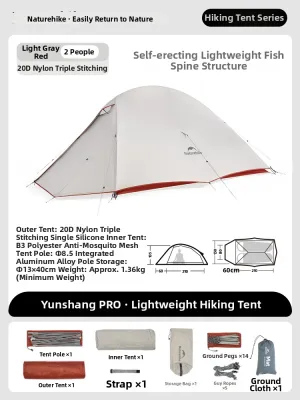
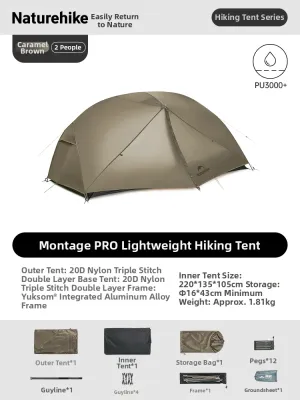
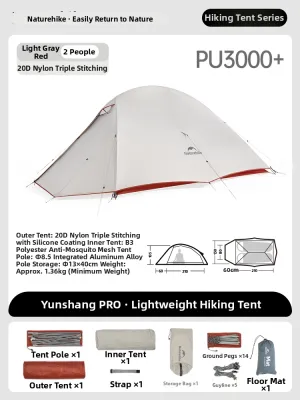
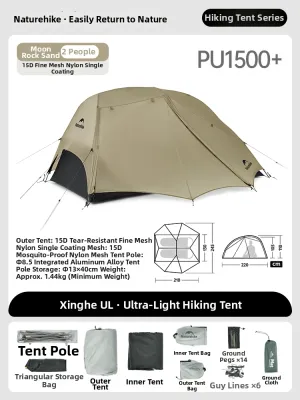
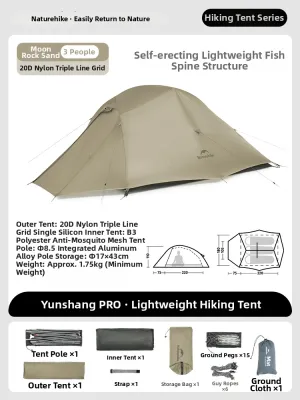
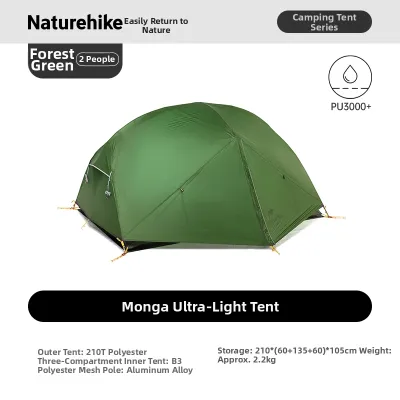
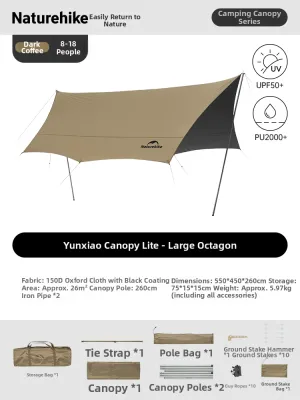
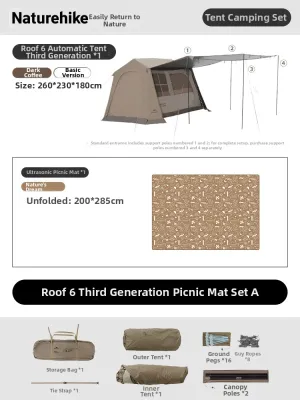
Prices are valid at publication and may change. Please refer to the product page for the latest price.
It is a common misconception that a higher PU rating automatically means a thicker, heavier, or more durable tent fabric. In reality, the rating only measures resistance to water pressure. A highly technical, ultra-thin nylon fabric can be engineered to achieve a high PU rating without adding significant bulk. Conversely, a thicker, heavier polyester fabric might have a lower rating if it has a lighter coating. Therefore, when comparing options, you should look at both the fabric denier (which indicates thickness and durability) and the PU rating to get a complete picture of the tent’s construction.
Comparing PU1000, PU2000, and PU3000 for Rain Protection
When evaluating different models for your camping trips, matching the PU rating to your expected weather conditions is key to staying comfortable. While these ratings provide a standardized benchmark, real-world performance depends on how the fabric interacts with wind, gravity, and duration of exposure.

A PU1000 rating represents the baseline for water resistance in modern outdoor shelters. Fabrics with this rating can easily shed light, brief showers and morning dew. However, they are susceptible to “wetting out”—a state where the fabric becomes saturated—under sustained rain or when subjected to external pressure, such as wind pushing the rainfly against the inner tent. Shelters with this rating are generally best suited for fair-weather camping, backyard sleepovers, or as lightweight sunshades where heavy rain is not anticipated.
A PU2000 rating is widely considered the standard for reliable three-season camping. This level of waterproofing is designed to withstand moderate, steady rainfall over several hours. For most recreational campers who head out during the spring, summer, and autumn, a PU2000 rainfly offers a dependable balance of protection and packability. It provides peace of mind when unexpected weather fronts pass through, keeping the interior dry under typical camping conditions.
For those who camp in areas prone to severe weather, such as the sudden, heavy tropical downpours common in Singapore, a PU3000 rating or higher is highly recommended. This level of coating is engineered to resist the intense pressure of wind-driven rain and prolonged storms. You will frequently find PU3000 ratings applied to high-exposure rainflies or the floors of high-quality tents, where the material must resist water being forced through by physical contact. Always verify the manufacturer’s exact specifications for both the rainfly and the floor, as they often feature different ratings to handle distinct types of moisture exposure.
Beyond the Fabric: Other Factors That Keep Your Tent Dry
While the PU rating of the fabric is a critical specification, it is only one component of a tent’s overall weather protection system. A high rating on paper will not keep you dry if the tent’s construction allows water to bypass the fabric entirely.
One of the most common entry points for water is through the seams. When a tent is stitched together, the sewing needle creates thousands of tiny holes through the waterproof fabric. To prevent leaks, quality tents feature factory-taped seams, where a waterproof tape is heat-sealed over the stitching on the inside of the rainfly and floor. Before purchasing, check that the model specifies taped or sealed seams, as unsealed seams will leak even if the fabric has a high PU rating.
Additionally, the tent floor requires different considerations than the rainfly. When you sit, kneel, or sleep inside a tent, your body weight exerts concentrated pressure on the floor fabric. If the ground underneath is saturated, this pressure can force water through a lower-rated fabric—a process known as capillary action. For this reason, tent floors typically feature a significantly higher PU rating than the accompanying rainfly to prevent ground moisture from seeping through.
Proper ventilation and zipper design also play vital roles in moisture management. Many instances of suspected tent leaks are actually the result of internal condensation. When campers sleep, their breath releases moisture that condenses on the cold inner surface of the rainfly. Without adequate mesh vents and airflow, this moisture can drip down, mimicking a leak. Furthermore, look for water-resistant zippers or protective fabric flaps that cover the zipper tracks to prevent wind from driving rain through the teeth of the zipper.
To protect your investment and enhance water resistance, using a separate groundsheet or footprint is highly recommended. A footprint acts as a sacrificial barrier between the tent floor and the rough ground. It prevents rocks, twigs, and friction from wearing away the PU coating on the underside of your tent floor, while also blocking direct contact with damp soil.
How to Choose the Right Rating for Your Camping Needs
Selecting the right waterproof rating requires balancing your typical camping environment, trip duration, and carrying capacity. If you primarily camp in warm, humid climates like Singapore, where sudden tropical showers are frequent but temperatures remain high, you will want a tent that combines a high waterproof rating with excellent ventilation. A tent with a PU3000 floor and a PU2000 or PU3000 rainfly, paired with large mesh panels, is often ideal for these conditions.
For backpackers and hikers who carry all their gear on their backs, weight and packability are major considerations. Thicker PU coatings can add slight weight and make the fabric stiffer, which may affect how tightly the tent can be packed. In these scenarios, you must weigh the likelihood of heavy rain against the physical effort of carrying a heavier shelter. If you are planning short, fair-weather weekend trips, a lighter PU1500 or PU2000 tent may be more practical than a heavy-duty expedition model.
Ultimately, you should always review the detailed specifications on the product packaging or the manufacturer’s official product page before making a decision. Pay close attention to the separate ratings listed for the rainfly and the floor, and ensure the tent’s design matches your skill level and the demands of your destination. Remember that no equipment can replace careful trip planning, monitoring weather forecasts, and practicing proper tent pitching techniques.
Frequently Asked Questions (FAQ)
Does a higher PU rating mean the tent is completely waterproof?
No, a higher PU rating does not make a tent completely waterproof or submersible. Camping tents are designed to be highly water-resistant and shed rain under normal outdoor conditions. Extreme environmental factors, such as severe wind-driven storms, pooling water under the tent, or physical pressure against the fabric, can eventually overcome even high PU ratings. Proper site selection, such as pitching your tent on well-drained ground, is essential to avoid overwhelming the fabric’s limits.
How can I maintain the waterproof coating on my tent?
To preserve the integrity of the PU coating, always clean your tent using a soft sponge and mild, non-detergent soap, avoiding harsh chemicals or machine washing which can strip the coating. It is critical to dry the tent completely in a shaded, well-ventilated area before packing it away. Storing a damp tent can cause hydrolysis, a chemical reaction that breaks down the polyurethane coating, leaving it sticky, flaky, and ineffective. If you notice the original coating wearing thin over time, you can apply aftermarket seam sealers or water-repellent sprays designed specifically for synthetic outdoor fabrics.

Community discussion
Share your experience or ask a question. Comments are reviewed before publication.