
When running in hot and humid conditions, managing body heat and sweat is essential for comfort, performance, and safety. Choosing a running belt that keeps you cool requires looking beyond brand names and logos. No single brand universally guarantees the best breathability across its entire product line; performance depends on the specific model’s mesh construction, fabric blend, and back-panel design. Whether you are training for a marathon or completing a daily recovery run, the way a belt manages moisture and airflow is determined by its physical architecture and material composition.
How to Evaluate Breathability and Compare Running Belts
To make an informed choice, you must understand how different materials and construction methods handle heat and sweat. The most breathable running belts typically feature open-weave mesh constructions. Unlike solid fabrics, which create a physical barrier that traps a layer of warm, humid air against your body, open-weave mesh allows air to pass directly through the material, cooling the skin via convection. When browsing options on an ecommerce platform, check the product specifications for terms like “engineered mesh,” “spacer mesh,” or “perforated panels.” These features indicate that the manufacturer has intentionally created pathways for air to circulate, particularly in high-sweat areas along the lower back or waist.
Most running belts utilize synthetic blends of polyester, nylon, and elastane. These synthetic fibers do not absorb water; instead, they pull moisture away from the skin to the outer surface of the fabric, where it can evaporate. When evaluating a running belt, look at the material composition on the care label or product page. A high percentage of polyester or nylon combined with spandex provides the necessary stretch while ensuring that sweat does not pool against your skin, which can lead to heavy, waterlogged gear and severe chafing.
Products mentioned in this guide
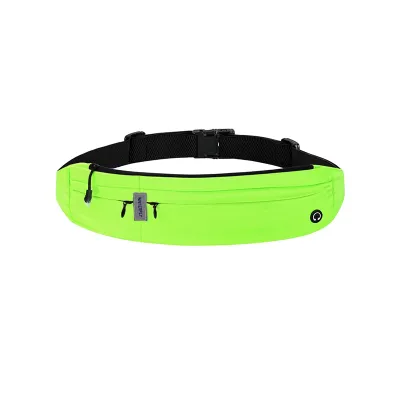
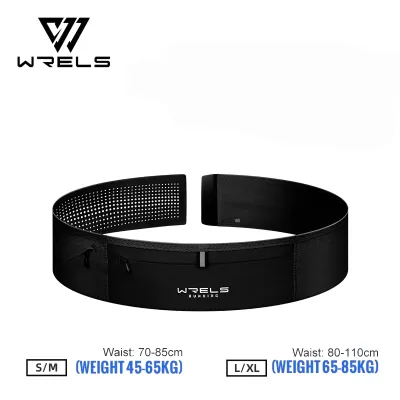
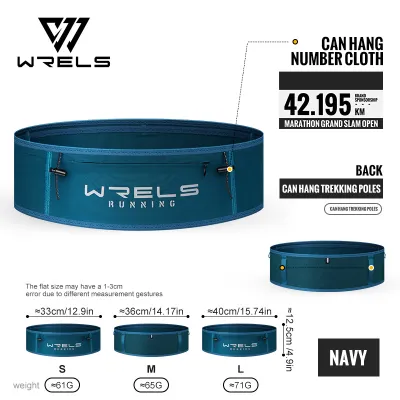
Prices are valid at publication and may change. Please refer to the product page for the latest price.
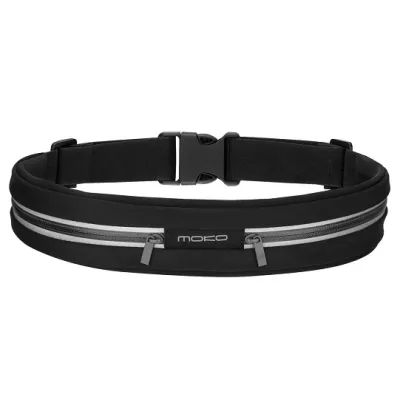
The back-panel design and the belt’s contact area with your body significantly affect heat retention. The surface area of the belt that touches your body directly influences heat retention. A wide, thick belt might distribute weight comfortably, but it also acts as an insulating band around your waist, trapping body heat. Conversely, a narrow belt minimizes skin contact, allowing more of your body’s surface area to cool naturally. When comparing designs, look for belts with contoured shapes or channeled back panels that create physical gaps between the fabric and your skin, promoting airflow even when the belt is securely fastened.
Nike vs. Adidas vs. Salomon: Design and Material Differences
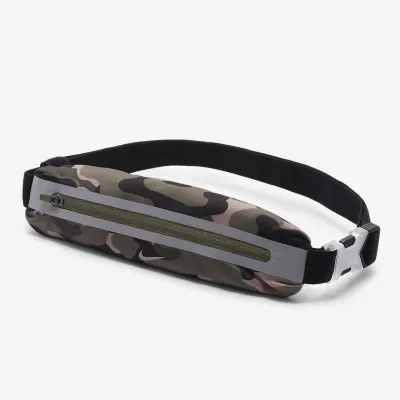
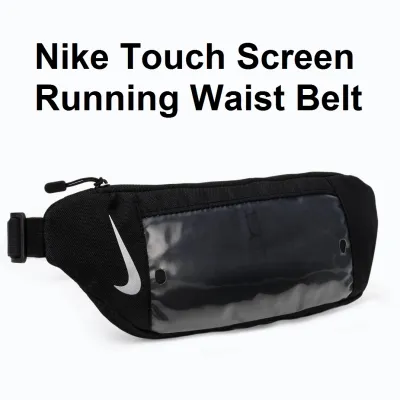
Nike running belts often feature sleek, low-profile designs made of lightweight, stretchy synthetic blends designed to sit flat against the waist. To assess breathability in a Nike belt, look for models that incorporate their signature ventilation technologies or perforated bands. These designs are intended to minimize bulk, making them suitable for shorter, faster runs where you only need to carry essentials like a key and a phone, without adding unnecessary insulation around your midsection.

Adidas takes an ergonomic approach, often focusing on stability and structured moisture management. Their running belts frequently utilize recycled polyester blends and structured waistbands designed to distribute pressure evenly. When examining an Adidas belt for hot-weather use, verify the placement of mesh panels along the inner lining. Some models feature textured linings or raised patterns that help keep the main body of the belt slightly off the skin, creating micro-channels for air to flow. This design can be highly effective for runners who experience heavy sweating and need a belt that won’t cling uncomfortably to their clothing or skin.
Salomon’s design philosophy is rooted in trail running, where carrying capacity and stability are paramount. Their wrap-around waist sleeves prioritize a secure, bounce-free fit for flasks and gear. Because these belts are designed to carry heavier loads over long distances, they typically cover a larger surface area of the lower torso. To balance this coverage, Salomon frequently employs highly porous, quick-drying mesh fabrics and open-structured elastic bands. While the larger contact area inherently traps more heat than a minimalist road belt, the use of advanced, non-absorbent materials helps moisture evaporate rapidly, making them a preferred choice for long-distance trail runners who must balance hydration needs with heat management.
Decision Framework: Choosing a Belt for Hot and Humid Conditions
Running in high-humidity environments, such as Singapore’s tropical climate, presents unique challenges because sweat cannot evaporate easily. In these conditions, maximizing direct airflow is critical. If you experience heavy lower-back sweating, prioritize a highly ventilated mesh belt. Look for open-weave mesh structures that allow every breeze to reach your skin. Minimizing the physical barrier around your waist helps prevent heat rash and keeps your core temperature from rising too quickly during intense workouts. When comparing options, you might find belts ranging from S$20 to S$60 on local online marketplaces; however, focus on material specifications rather than price alone to ensure long-term comfort.
If you run in dry heat or prioritize a completely bounce-free fit for high-speed training, a sleek, solid fabric belt made of high-performance moisture-wicking synthetics may be more suitable. In dry climates, sweat evaporates rapidly, so the primary job of the belt is to pull moisture away from your skin quickly before it can cause irritation. A snug, solid fabric belt moves with your body, reducing friction and ensuring that your phone and keys remain perfectly stable, which is ideal for track sessions or tempo runs where movement must be minimized.
Before committing to any belt for long-distance runs in the heat, verify the specifications of the inner lining. Check if the manufacturer explicitly labels the lining as quick-drying, moisture-wicking, or anti-chafe. A soft, brushed lining that feels comfortable in a store can quickly become abrasive when saturated with salty sweat. Look for flatlock seams or seamless construction along the edges that contact your skin directly, as these details prevent the belt from sawing against your waist as you breathe and move.
Balancing Breathability with Fit and Chafing Prevention
While breathability is crucial for hot-weather comfort, a belt that breathes perfectly but bounces constantly will quickly become unusable. To find the right balance, assess the elasticity and grip of the waistband. A good running belt should stay in place through friction and ergonomic design rather than sheer tightness. Over-tightening a belt to stop it from bouncing not only restricts your breathing but also compresses the fabric against your skin, closing the material’s pores and trapping heat. Look for belts with silicone grip strips or adjustable tension systems that allow a secure fit with minimal pressure.
Friction is magnified by moisture, making chafing a major risk during hot runs. Carefully inspect the seam placements and buckle designs of any belt you consider. Buckles should be padded or positioned away from bony areas like the hips, and seams should be flat or bonded rather than stitched with rough thread. If you run in severe heat, remember that equipment cannot replace proper pacing and hydration. Always monitor your body’s signals; if you experience dizziness, extreme fatigue, or signs of heat exhaustion, stop running immediately, seek shade, and loosen any tight gear to allow your body to cool down.
The weight of the items you carry directly impacts how a running belt sits against your body and how well it breathes. A belt that feels light and airy when empty can sag, bounce, and press heavily against your lower back once you slide in a large smartphone or a full water flask. This added weight compresses the breathable mesh, reducing its airflow efficiency and increasing the contact area with your skin. Before heading out on a long run, test the belt at home with your actual gear to ensure the fabric retains its structure and does not sag or cause uncomfortable hot spots.
Frequently Asked Questions (FAQ)
How do I wash a running belt to maintain its breathability?
To maintain the breathability of your running belt, rinse it with clean water immediately after every sweaty run to prevent salt crystals and body oils from clogging the fabric’s pores. When machine washing is necessary, follow the manufacturer’s care label closely, typically using a gentle cycle with cold water and a mild liquid detergent. Never use fabric softeners, as they leave a thin, waxy coating on synthetic fibers that ruins their moisture-wicking capabilities and clogs breathable mesh. Always air dry the belt away from direct heat to preserve the elasticity of the waistband.
Can I use a running belt over a shirt to prevent chafing in the heat?
Wearing a running belt over a lightweight, moisture-wicking shirt is an effective way to prevent direct skin friction and chafing, especially during long runs in high humidity. However, adding a layer of clothing beneath the belt will naturally trap slightly more heat around your waist compared to wearing it directly against the skin. If you choose to wear the belt over a shirt, ensure the shirt fabric is highly breathable and adjust the belt’s tightness to accommodate the extra layer, maintaining a secure, bounce-free fit without restricting your breathing.

Community discussion
Share your experience or ask a question. Comments are reviewed before publication.