
Selecting the right strength training equipment for a home gym requires a careful balance of space efficiency, safety, and progression potential. The Nuobell S240 adjustable dumbbell represents a modern approach to compact resistance training, designed to replace an entire rack of traditional fixed weights with a single, dial-integrated pair. To determine if this specific model fits your fitness routine, you must evaluate its core technical specifications—including its weight range, increment steps, mechanical adjustment design, physical dimensions, and material durability. Understanding these parameters allows you to make an informed decision that aligns with your physical space, budget, and long-term training goals.
Weight Range and Increment: Matching Your Strength Progression
When investing in adjustable dumbbells, the weight range dictates which exercises you can perform and how long the equipment will support your strength progression. You should begin by checking the official minimum and maximum weight limits on the product label or manufacturer’s manual. For those training in space-conscious environments like Singapore apartments, having a wide weight spectrum in a single footprint is highly advantageous. However, you must ensure the maximum capacity matches your current lifting limits for compound movements like dumbbell deadlifts or chest presses, while also verifying that the starting weight is light enough for warm-ups, rehabilitation work, or high-rep isolation movements.
Equally important is the increment step size between each weight setting. Smaller weight steps, such as 2 kg increments, are crucial for progressive overload in isolation exercises like lateral raises, bicep curls, or triceps extensions, where a sudden jump in weight can compromise form or cause injury. Larger jumps may be acceptable for major muscle groups, but a granular increment system provides a smoother transition as you build strength. Before purchasing, verify the exact increment breakdown on the manufacturer’s specification sheet to ensure you will not encounter frustrating plateaus due to excessively large gaps between weight settings.
Products mentioned in this guide
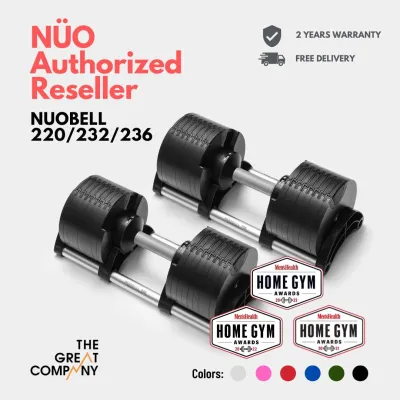
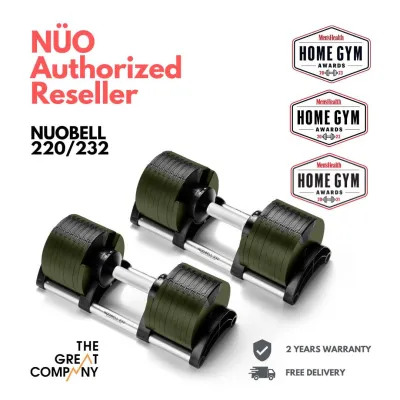
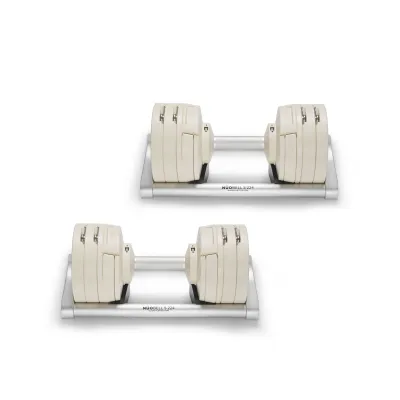
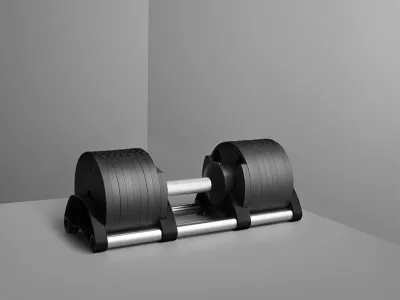
Prices are valid at publication and may change. Please refer to the product page for the latest price.
Adjustment Mechanism: Speed, Security, and Usability
The adjustment mechanism is the heart of any adjustable dumbbell, determining how quickly and safely you can transition between different exercises. For the Nuobell S240, you should consult the manufacturer’s documentation to identify the exact operational design, which typically utilizes a handle-twist system to select weights while the dumbbell rests in its custom cradle. This style of adjustment eliminates the need to manually swap plates or adjust individual collars, significantly increasing your workout density. Rapid transitions are particularly beneficial if your training program incorporates supersets, drop sets, or fast-paced circuit training where prolonged rest periods would disrupt your heart rate and momentum.

However, mechanical convenience must never come at the expense of safety. You must establish a habit of performing mandatory safety checks before every single lift. Visually and physically verify that the locking mechanism is fully engaged and that the selected weight plates are securely locked onto the central shaft. If the plates feel loose or the handle does not click firmly into its designated setting, do not lift the dumbbell. Understanding the operational learning curve of the twist mechanism ensures you can change weights smoothly without forcing the components, which prevents premature wear on the internal locking gears.
Dimensions and Grip: Space Efficiency and Handling
Physical dimensions play a critical role in how an adjustable dumbbell performs during dynamic movements and how easily it can be stored. You should check the official length, width, and height specifications to ensure the dumbbells fit your designated home gym storage area, workout bench clearance, and floor space. In compact living spaces, every centimeter matters. Keep in mind that adjustable dumbbells generally maintain a longer, more rigid profile than traditional fixed dumbbells because the central bar must accommodate the maximum plate capacity even when set to lighter weights. This extended length can alter your range of motion or comfort during exercises like overhead presses, chest presses, or close-grip curls, where the ends of the dumbbells might contact your body or each other sooner than expected.
The handle design is another vital touchpoint that directly influences your control and safety. Review the official specifications for the handle diameter and the texture of the knurling pattern. A secure, textured grip reduces hand fatigue and prevents slippage during heavy pulling movements, such as dumbbell rows. If you have smaller hands, a thicker handle diameter may feel fatiguing, whereas a grip that is too smooth might require you to use lifting straps or chalk during intense sessions. Evaluating these physical attributes beforehand helps ensure the equipment feels natural and secure in your hands.
Build Quality and Materials: Durability and Maintenance
Adjustable dumbbells are complex mechanical systems, making their build quality and material composition primary factors in their overall lifespan. You should review the manufacturer’s material specifications to identify the composition of the weight plates, handle, and internal gears—typically looking for robust steel or iron plates and minimal reliance on fragile plastic housings. Because these dumbbells rely on precise internal locking pins to hold heavy plates above your body, understanding their impact resistance is a fundamental safety requirement.
To maintain long-term performance, you must establish a regular maintenance routine. This includes inspecting the dumbbells for loose parts, hairline cracks in the housing, or debris accumulation within the selector tracks. Dust, sweat, and chalk can migrate into the adjustment gears, causing the mechanism to stick or fail over time. Most importantly, you must strictly follow the manufacturer’s care instructions, which universally warn against dropping adjustable dumbbells. Unlike solid cast iron or rubber-coated fixed weights, the internal components of adjustable systems are highly sensitive to impact shock; dropping them even from a low height can misalign the locking mechanism, rendering the dumbbells unusable and unsafe.
Deciding if the Nuobell S240 Meets Your Training Requirements
Choosing the right adjustable dumbbell comes down to a systematic comparison of your personal training style against the verified specifications of the equipment. Begin by mapping your current fitness goals: if your routine focuses on high-rep endurance or progressive strength building, ensure the weight range and increment steps support that trajectory. Next, evaluate your physical environment, confirming that you have a flat, stable surface for the adjustment cradle and sufficient clearance for the dumbbell’s maximum length during your favorite exercises.
Finally, balance your budget in S$ against the long-term durability expectations of a mechanical fitness tool. If you require equipment that can withstand high-impact drop tests or outdoor weathering, a traditional fixed dumbbell set may be more appropriate. However, if space efficiency and rapid weight transitions are your top priorities, the adjustable system offers clear advantages. If any official specification, warranty detail, or compatibility question remains unclear, always consult the authorized retailer or manufacturer directly before finalizing your purchase to ensure your investment is fully protected.
Frequently Asked Questions (FAQ)
Does the Nuobell S240 require a specific base or stand?
Yes, you should consult the product manual to confirm the operational requirements of the dumbbell’s base. Adjustable dumbbells of this design rely on a proprietary cradle to align the weight plates correctly. Attempting to adjust the weight or store the dumbbells without this specific base can damage the selector pins, misalign the plates, or prevent the locking mechanism from engaging safely.
Can the internal weight plates be replaced if damaged?
If a weight plate or internal component becomes damaged, you should immediately consult the manufacturer’s official warranty policy and contact an authorized service center. You must avoid unauthorized disassembly or attempting third-party repairs, as doing so typically voids your warranty and can severely compromise the structural safety of the locking mechanism during use.

Community discussion
Share your experience or ask a question. Comments are reviewed before publication.