
When exercising in tropical heat, choosing the right hydration companion depends heavily on your primary workout environment and performance priorities. If your main goal is keeping your water ice-cold for hours during an outdoor run or a humid gym session, a single-wall plastic bottle like the Oasis Tritan will not perform the same way as a double-wall vacuum-insulated stainless steel bottle. Tritan is a highly durable, lightweight copolyester plastic, but because it is typically constructed as a single-wall container, it does not possess the thermal barrier required to block heat transfer. Consequently, double-wall vacuum-insulated bottles are physically designed to keep drinks cold for significantly longer periods.
To determine the exact thermal performance of any specific bottle, you should always check the manufacturer’s product label for verified temperature-retention specifications rather than relying solely on the material name. Understanding these differences helps you make an informed decision based on your training style, budget, and hydration needs.
Understanding the Materials: Single-Wall Tritan vs Vacuum Insulation
To understand why these bottles perform differently, it helps to look at the physics of heat transfer and material construction. Single-wall Tritan bottles are made from a specialized copolyester that is engineered for impact resistance, clarity, and lightweight handling. However, because there is only a single layer of plastic separating your cold beverage from the warm outside air, heat moves quickly through the material. Conduction and convection rapidly warm the liquid inside, especially when exercising outdoors in high ambient temperatures.
Products mentioned in this guide
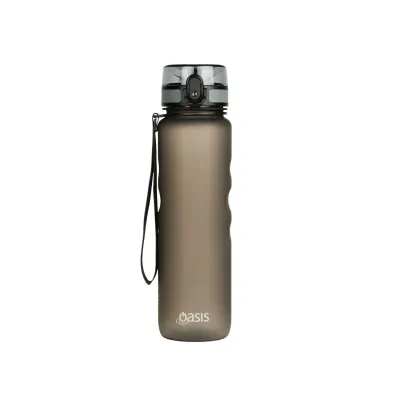
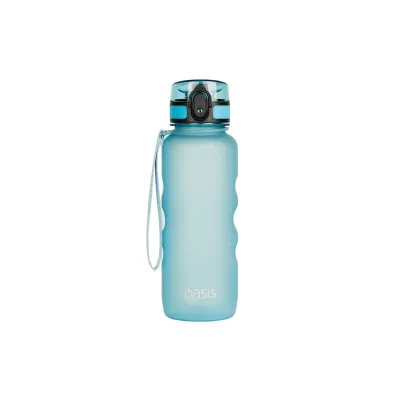
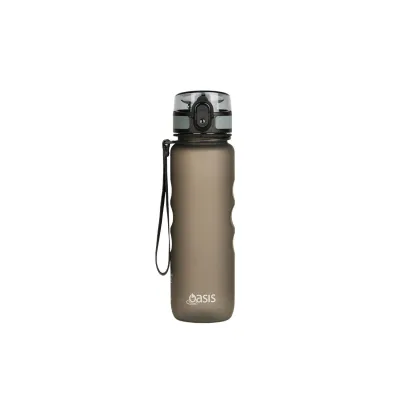
Prices are valid at publication and may change. Please refer to the product page for the latest price.
In contrast, double-wall vacuum-insulated bottles—usually made of stainless steel—rely on a completely different structural design. These containers feature an inner and an outer wall with a vacuum sealed between them. Because a vacuum contains virtually no air molecules, it prevents heat from transferring via conduction or radiation across the gap. This thermal barrier dramatically slows down the rate at which the external heat warms your drink, allowing ice to remain solid for much longer.
Another physical consequence of single-wall construction is condensation, commonly referred to as “sweating.” When you fill a single-wall Tritan bottle with ice-cold water, the outer surface of the plastic quickly cools down to a temperature below the dew point of the surrounding air. In a humid climate, moisture from the air immediately condenses on the cold exterior of the bottle. This layer of water can make the bottle slippery and difficult to grip during high-intensity workouts, potentially leading to accidental drops. Double-wall insulated bottles do not suffer from this issue, as the outer wall remains close to the ambient temperature, keeping the exterior dry and easy to hold.
Furthermore, the rate of heat exchange is influenced by environmental factors such as direct sunlight and wind. When a single-wall bottle is exposed to direct sunlight, the plastic absorbs radiant heat, which is then transferred directly to your water. Vacuum-insulated bottles reflect a portion of this radiant heat and prevent the remainder from crossing the vacuum gap, ensuring that your beverage stays cold even when left on an outdoor sports field or track.
Beyond Temperature: Weight, Durability, and Workout Performance
While temperature retention is a major factor, it is not the only variable that determines the ideal sports bottle for your routine. Weight and portability play a massive role, especially during dynamic or endurance-based activities. A single-wall Tritan bottle is exceptionally lightweight when empty, making it a preferred choice for runners, hikers, and cyclists who want to minimize their carrying load. Every gram counts when you are covering long distances, and carrying a heavy stainless steel bottle can add unnecessary fatigue.

Durability and impact resistance are also critical when evaluating sports gear. Tritan copolyester is celebrated for its shatter-resistant properties. If you accidentally drop a Tritan bottle onto a hard gym floor, a concrete running path, or a rocky outdoor trail, it is highly likely to survive without cracking or shattering. Stainless steel bottles are also incredibly tough, but they are prone to denting or scratching upon impact. A heavy drop can deform the bottom of a metal bottle, causing it to wobble when stood upright, or in rare cases, compromise the vacuum seal itself.
The design of the lid and the overall leak-proof reliability are equally vital during high-movement exercises. When shopping for a sports bottle, look closely at the spout design and the quality of the sealing rings. A secure, threaded lid with a silicone gasket is essential to prevent leaks inside your gym bag. Many sports bottles feature quick-access flip caps, push-button spouts, or integrated straws. While these mechanisms offer convenience during a fast-paced workout, they also introduce more moving parts that require regular inspection to ensure they remain completely leak-proof over time.
Additionally, the choice of lid can affect how easily you can drink while moving. For example, a straw lid allows you to sip without tilting your head, which is highly beneficial when cycling or running on a treadmill. However, straw lids and bite valves can be more challenging to clean thoroughly compared to a simple screw-top or chug lid. Evaluating how you prefer to hydrate mid-workout will help you choose a lid style that balances convenience with ease of maintenance.
How to Choose: Matching the Bottle to Your Training Style
Selecting the right bottle ultimately comes down to matching the container’s physical properties to your specific training style and environment. If your workouts primarily take place outdoors under direct sunlight, or if you participate in long training sessions where having ice-cold water is non-negotiable, an insulated stainless steel bottle is the logical choice. The vacuum insulation ensures your drink remains refreshing, and the lack of external condensation keeps your hands and gym bag dry.
On the other hand, if your priority is minimizing the weight of your gear, or if you need a highly resilient bottle that can withstand being tossed around during outdoor climbing, trail running, or team sports, an Oasis Tritan bottle is highly suitable. Its lightweight nature and superior shatter resistance make it incredibly practical for active lifestyles. Additionally, Tritan bottles are typically transparent, allowing you to monitor your water intake easily throughout the day—a feature that opaque metal bottles cannot offer.
From a budget perspective, single-wall plastic bottles are generally more accessible than high-end vacuum-insulated stainless steel models. This makes Tritan an excellent option for casual gym-goers, students, or anyone who needs multiple bottles for different activities without making a significant financial investment. It allows you to allocate your budget to other essential fitness gear while still securing a durable, functional hydration tool.
If you prefer the lightweight benefits of plastic but still want some level of temperature control, you can look for hybrid solutions. Some plastic bottles are designed with double-wall plastic construction, which provides a mild insulating effect compared to single-wall models. Alternatively, you can verify if there are compatible neoprene insulating sleeves available for your Tritan bottle. While these sleeves do not match the performance of a true vacuum-insulated stainless steel bottle, they can help reduce condensation and slow down heat transfer during shorter workouts.
Care and Maintenance: Keeping Your Bottle Hygienic
Proper care and maintenance are essential to ensure your sports bottle remains hygienic and performs well over its lifespan. After a sweaty workout, bacteria and mold can quickly accumulate in the warm, moist environment of a water bottle, especially around the mouthpiece and silicone seals. Implementing a daily rinsing routine with warm, soapy water is the first line of defense against odor buildup. For a deeper clean, use a dedicated bottle brush to reach the bottom and scrub away any residue.
When washing your bottle, always pay close attention to the manufacturer’s temperature limits. While Tritan is a highly heat-resistant plastic, some models or their associated lid components, straw mechanisms, and silicone gaskets may not be dishwasher-safe. Exposing these parts to extreme heat or harsh dishwasher detergents can warp the plastic, degrade the seals, or cause the lid to lose its leak-proof fit. If the product label advises against dishwashers or boiling water, stick to hand-washing with mild dish soap and lukewarm water.
Special attention should be paid to the silicone gaskets and O-rings nested inside the lids. These components are notorious for trapping moisture and organic matter, which can lead to black mold growth if left uncleaned. Gently remove these seals periodically using a blunt tool, wash them in warm soapy water, and allow them to air dry completely before reassembling. This simple step can significantly extend the life of your bottle and prevent unpleasant tastes or odors.
Knowing when to retire your bottle is just as important for your health. Over time, physical wear and tear will take a toll on any container. Inspect your bottle regularly for deep scratches, persistent cloudiness, or lingering odors that do not disappear after a thorough cleaning. Deep grooves in plastic can harbor bacteria that are difficult to reach and sanitize. Similarly, if you notice that the silicone sealing rings have become stretched, moldy, or cracked, you should replace the seals or the entire bottle to prevent leaks and maintain proper hygiene.
Frequently Asked Questions (FAQ)
Can I put boiling water in an Oasis Tritan bottle?
While Tritan copolyester is engineered to withstand high temperatures, you must always verify the specific manufacturer’s maximum temperature rating printed on the product packaging or user manual. Even if the plastic itself can handle hot liquids without warping, a single-wall bottle has no insulation to protect your hands. Filling a single-wall Tritan bottle with boiling water will make the exterior dangerously hot to hold, posing a significant burn risk. For hot beverages, it is safer to use a dedicated double-wall insulated container designed for heat retention.
Will a single-wall plastic bottle keep my water cold in Singapore's outdoor heat?
In a tropical climate characterized by high temperatures and humidity, a single-wall plastic bottle will not keep your water cold for long. Without a thermal barrier, the cold liquid inside will rapidly absorb heat from the surrounding environment, quickly reaching ambient temperature. If you are training outdoors and want to keep your water cool using a single-wall bottle, you can try practical workarounds such as adding plenty of ice cubes or using a thick neoprene insulated bottle sleeve. However, keep in mind that these methods only delay the warming process and cannot replicate the long-term performance of a vacuum-insulated bottle.
Are Oasis Tritan bottles safe for daily use?
Tritan is widely recognized in the consumer goods industry as a safe material for reusable water bottles, as it is manufactured without bisphenol compounds like BPA or BPS. To ensure your specific bottle meets these standards, always check the product packaging or official manufacturer specifications for verified safety certifications. To maintain safety during daily use, avoid using abrasive scrubbers that can scratch the plastic, and replace the bottle immediately if you observe deep scratches, cracks, or material degradation where bacteria could accumulate.

Community discussion
Share your experience or ask a question. Comments are reviewed before publication.