
Choosing between a Babolat replacement grip and an overgrip depends on the current state of your racket handle and whether you need to restore the underlying cushion or simply refresh the surface texture. A replacement grip is a thick, adhesive-backed base layer applied directly to the racket’s wooden or composite handle (the pallet) to provide structural cushioning and define the bevels. An overgrip is a thin, non-adhesive wrap applied on top of the replacement grip to manage sweat, add tackiness, and slightly adjust the handle size. Understanding how these two layers function together ensures optimal control, comfort, and blister prevention during play.
Assess Your Current Racket Handle Condition
To determine your immediate grip needs, start with a physical inspection of your racket handle. Remove any existing overgrip to expose the original base grip underneath. Run your fingers along the handle to check for deep indentations, crumbling synthetic material, or areas where the grip has worn down to the hard frame underneath. A worn base grip loses its shock-absorbing properties, which can transmit harsh vibrations up your arm during off-center hits.
Next, evaluate how the handle feels in your hand during active play. If you find yourself squeezing the racket excessively hard to prevent it from twisting during contact, the grip size may be incorrect, or the surface material may have lost its friction. Note whether your hand slips during serves or heavy topspin groundstrokes. Slipperiness is a clear indicator that the surface material is saturated with sweat, dirt, and skin oils, signaling that it is time for a fresh layer.
Products mentioned in this guide
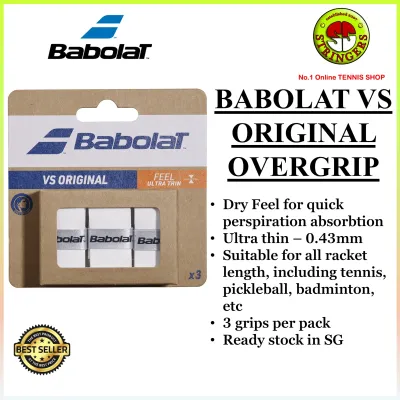
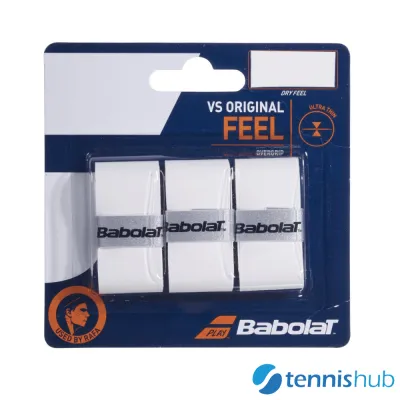
![Babolat Pro Tour Overgrip [Suiteable for Tennis Badminton Pickleball Padel etc]](https://img.lazcdn.com/g/p/a7e19e5cca9eead057aa0b7918e68dff.jpg_400x400q80.jpg_.webp)
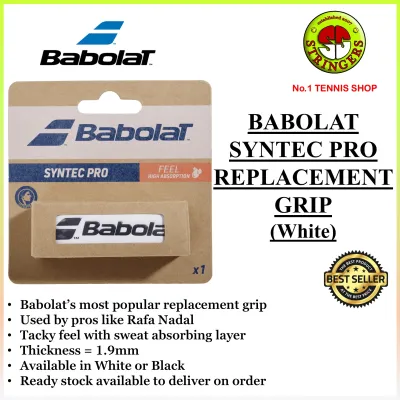
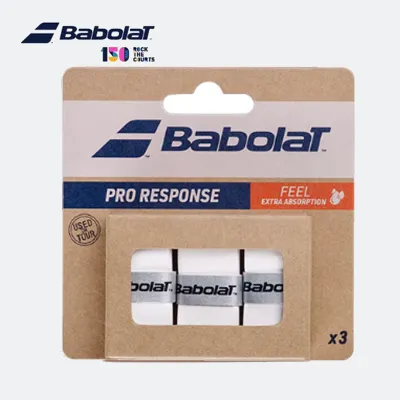
Prices are valid at publication and may change. Please refer to the product page for the latest price.
Finally, pay attention to any physical discomfort or blisters forming on your palm or fingers. A grip that has hardened over time loses its ability to yield to hand pressure, creating friction points that damage the skin. If the handle feels unusually stiff or if you can feel the sharp edges of the plastic butt cap digging through the worn material, your racket’s handle system requires immediate attention to prevent injury and maintain control.
Signs You Need a Babolat Replacement Grip
A replacement grip serves as the foundation of your racket handle. You need a complete replacement when the structural integrity of this base layer is compromised. Over time, the constant pressure from your hand flattens the bevels—the octagonal edges of the handle that help you feel your grip alignment without looking. If these bevels feel rounded or indistinct, replacing the base grip is necessary to restore your tactile awareness of the racket face.

Physical degradation is another clear sign. If the material is crumbling, peeling, or leaving sticky residue on your hands, it can no longer provide adequate cushioning. This breakdown often accelerates in hot, humid climates, where sweat and moisture seep through the outer layers and degrade the adhesive backing of the base grip. Additionally, if you need to make a permanent adjustment to your grip size, you can select a thicker or thinner replacement grip to alter the handle circumference by a fraction of an size before applying any outer wraps.
Furthermore, if you have purchased a secondhand racket or have not changed the base grip in several years, the internal foam has likely compressed permanently. This loss of elasticity means the grip can no longer absorb the impact shock of high-velocity ball contact. Replacing the base grip restores the original factory-spec cushioning, protecting your wrist and elbow from repetitive strain while ensuring a stable connection to the frame.
Signs You Only Need a Babolat Overgrip
If your underlying base grip is still firm, cushioned, and structurally sound, you likely only need to apply or change an overgrip. Overgrips are thin, lightweight bands designed to wrap over the base grip. They offer an affordable and quick way to customize the feel of your racket, providing either a tacky surface for a secure hold or a dry, absorbent texture to manage heavy perspiration.
Using an overgrip also acts as a protective shield for your more expensive replacement grip. By absorbing the bulk of the sweat, dirt, and friction, the overgrip prevents the base layer from rotting or wearing down prematurely. Because they are thin, overgrips can be changed frequently—often every few matches or practice sessions, depending on your sweat levels and playing frequency. They also allow for minor, reversible adjustments to your grip size, adding roughly half a grip size (about 1.5 millimeters) when wrapped with standard overlap.
For players who prefer a highly specific tactile sensation, overgrips offer a level of customization that base grips cannot match. You can choose between ultra-tacky polyurethane wraps that adhere firmly to dry hands, or soft, napped, felt-like wraps that perform better as they absorb moisture. If the underlying cushion of your racket still feels comfortable but the surface has lost its grip, applying a fresh overgrip is the most efficient solution.
How to Combine Grips for Your Playing Style
Creating the right grip setup requires matching your physical needs and playing frequency to the correct combination of materials. For instance, players who sweat heavily or play frequently in humid conditions often benefit from a thin, highly absorbent overgrip wrapped tightly over a firm synthetic replacement grip. Casual players who prioritize comfort and play less frequently might prefer a plush, cushioned replacement grip alone, or paired with a tacky overgrip to minimize racket twisting with minimal maintenance.
When updating your setup, follow a systematic process. If replacing the base grip, peel off the old material entirely and use a mild adhesive remover to clean any leftover residue from the bare handle pallet. Ensure the surface is completely dry before wrapping the new replacement grip, pulling it with consistent tension to avoid bunching or gaps. If you are only applying an overgrip, start at the butt cap, wrap upward with a consistent overlap of about 2 millimeters, and secure the top with the provided finishing tape.
While wrapping grips is a straightforward DIY task, certain situations require professional assistance. If you notice cracks in the underlying handle pallet, or if the butt cap is loose or clicking during swings, stop your modifications. These structural issues require a professional racket technician to repair or replace the pallet and butt cap safely, ensuring your racket remains stable and safe to use on the court.
Additionally, consider your playing frequency when planning maintenance. A good rule of thumb is to replace your overgrip as many times per year as you play per week. If you play three times a week, aim to change your overgrip at least three times a year—though competitive players or those in warm climates will likely need to change them much more frequently, sometimes even every few matches, to maintain consistent traction and control.
Frequently Asked Questions (FAQ)
Can I use an overgrip without a replacement grip?
It is not recommended to wrap an overgrip directly onto a bare racket handle. Overgrips are extremely thin and do not possess the necessary thickness or foam backing to absorb the impact shock of hitting a tennis ball. Playing without a proper base grip can lead to increased joint strain, discomfort, and blisters. Furthermore, the hard edges of the bare handle pallet can quickly wear through the thin overgrip material, causing it to tear and potentially damaging the underlying handle structure.
How do I know my correct Babolat grip size?
To verify your grip size, hold your racket with an Eastern forehand grip (where the palm is placed against the same bevel as the string face). There should be enough space between your ring finger and the palm of your hand to fit the index finger of your other hand comfortably. If the space is too tight, the grip is too small; if there is a large gap, the grip is too large. Keep in mind that adding a single overgrip will slightly increase the handle circumference, which is a useful way to customize a racket that feels just slightly under your ideal size.

Community discussion
Share your experience or ask a question. Comments are reviewed before publication.