
Quick Answer: Which Tennis Grip Should a Beginner Choose?
Choosing the right tennis grip depends entirely on the current condition of your racket’s handle. If your racket is brand new or the existing base grip is clean and intact, you should choose an overgrip. An overgrip is a thin, cost-effective wrap that goes over the existing grip to improve sweat absorption, comfort, and tackiness.
If your racket’s handle is peeling, crumbling, sticky, or has flattened out completely, you must choose a replacement grip. A replacement grip is a thick, cushioned layer applied directly to the bare handle frame. Most beginners start by wrapping a fresh overgrip over the factory-installed replacement grip to protect the underlying structure and customize the feel of their racket.
Identify Your Current Setup: Replacement Grip vs Overgrip
To make the right purchase, you must first understand the two distinct layers that can cover a tennis racket handle. The foundational layer is the replacement grip. This is a thick, heavily cushioned wrap that is applied directly to the bare wood, graphite, or plastic handle bevels of the racket. It features a full adhesive backing to keep it firmly anchored, and it is designed to absorb the bulk of the shock when you strike the ball.
Products mentioned in this guide
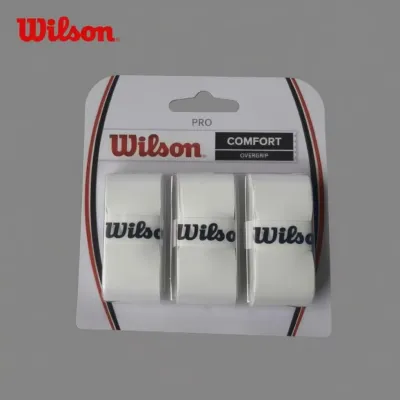
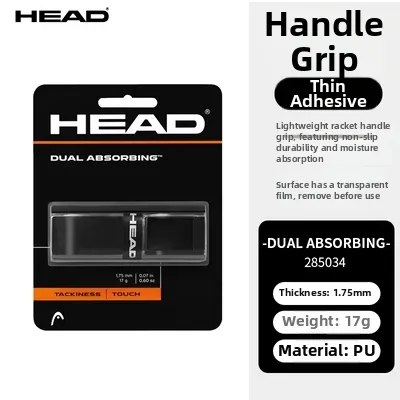
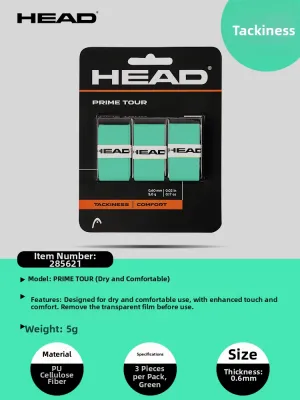
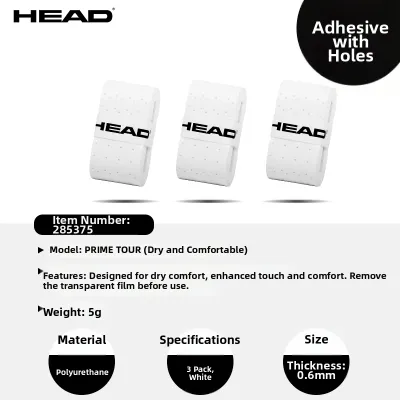
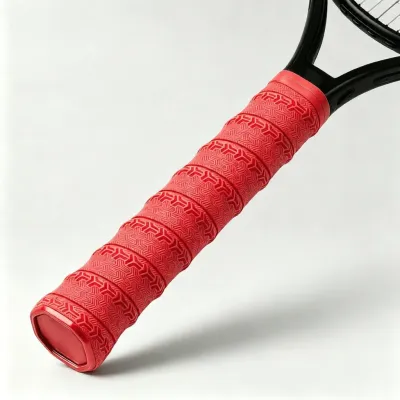
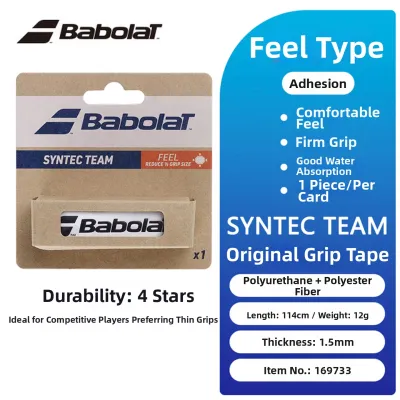
Prices are valid at publication and may change. Please refer to the product page for the latest price.

An overgrip is a much thinner, stretchy tape that is wrapped on top of the replacement grip. It does not have a full adhesive backing, relying instead on tension and a small sticky tab at one end to stay in place. Overgrips are designed to be temporary, sacrificial layers that you change regularly to maintain a secure hold.
To inspect your current setup, look closely at the handle. If you see a thick, padded material with deep seams wrapped around the handle, that is the base replacement grip. If there is a thin, slightly wrinkled, or highly discolored layer wrapped over that base, you are looking at an overgrip. Peeling back the finishing tape at the top of the handle will easily reveal whether you have one or both layers installed.
When to Buy an Overgrip: Ideal Scenarios for Beginners
An overgrip is the most common purchase for beginner tennis players because it offers an easy, affordable way to maintain a secure hold on the racket. In warm or highly humid environments, such as playing on outdoor courts in Singapore, hand sweat can quickly cause the racket to twist in your palm during a stroke. A fresh overgrip provides the necessary moisture absorption to keep the handle dry and stable.
Another ideal scenario for an overgrip is when you need to adjust the tackiness of your handle. Beginners often struggle with gripping the racket too tightly, which can lead to wrist fatigue or tennis elbow. A tacky overgrip allows you to maintain a secure, slip-free hold with a relaxed hand, promoting better stroke mechanics and cleaner contact with the ball.
Finally, overgrips are highly cost-effective. Because they are thin, they wear out much faster than base grips, but they are also inexpensive to replace. Purchasing a multi-pack of overgrips allows you to swap them out whenever they lose their texture, keeping your racket feeling fresh without the expense or effort of replacing the entire foundational grip.
When to Buy a Replacement Grip: Ideal Scenarios for Beginners
There are times when an overgrip is not enough, and you must invest in a full replacement grip. The most common scenario is when the existing base grip has physically degraded. If you notice the handle material is cracking, peeling, shedding black flakes onto your hands, or emitting an unpleasant odor, the structural integrity of the grip has failed.
Another critical indicator is loss of cushioning. Over time, the foam or synthetic material inside a replacement grip compresses under the pressure of your hand. If the handle feels exceptionally hard, or if you can feel the sharp edges of the underlying handle bevels bruising your palm, the grip is no longer absorbing shock. Wrapping a thin overgrip over a dead base grip will not restore this essential cushioning.
If you have purchased a second-hand racket or retrieved an old frame from storage, the base grip is likely dried out and brittle. In these cases, stripping the handle down to the bare frame and installing a fresh replacement grip is necessary to ensure a safe, comfortable, and hygienic playing experience.
Comparing Key Features: What to Check Before Buying
When browsing sports stores or online marketplaces, you will encounter a wide variety of tennis grips. To choose the right one for your needs, evaluate these key specifications on the product packaging:
- Thickness: Replacement grips typically range from 1.5 mm to 2.1 mm in thickness, providing substantial cushioning. Overgrips are much thinner, usually ranging from 0.4 mm to 0.8 mm. Check these millimeter specifications to ensure you do not accidentally buy the wrong type.
- Surface Texture: Grips generally fall into two categories: tacky or dry. Tacky grips have a sticky, rubbery feel that offers maximum security in dry to moderate conditions. Dry grips have a soft, felt-like texture designed to absorb heavy sweat, making them ideal for high-humidity environments.
- Material Composition: Most modern grips are made of polyurethane synthetics, which offer a balance of comfort and durability. You may also find traditional leather replacement grips, which are very firm, highly durable, and offer excellent feedback on handle bevels, though they provide very little cushioning.
- Adhesive Backing: Verify that the product matches your installation comfort level. Replacement grips feature a full-length adhesive strip on the back to bond with the bare handle. Overgrips only have a tiny adhesive square at the starting end, relying on tight wrapping tension to stay secure.
Final Decision Framework: Choose A if / Choose B if
To finalize your purchase, use this simple decision framework based on your current playing context:
Choose an Overgrip if:
- Your racket's current base grip is clean, cushioned, and structurally intact.
- You want to protect your expensive base grip from sweat, dirt, and wear.
- You need to quickly restore a tacky or highly absorbent feel to your handle.
- You want to make a very minor adjustment to increase your grip size.
Choose a Replacement Grip if:
- The current grip on your racket is peeling, flaking, or leaving residue on your hands.
- You can feel the hard, unyielding frame of the handle beneath the grip.
- You are restoring an old, borrowed, or second-hand racket with an unknown grip history.
- You need to significantly rebuild the handle's cushioning and shock absorption.
Verify first if:
- You are unsure of your correct grip size. Adding too many layers of overgrips can make the handle too large, which can strain your hand muscles and limit your wrist snap during serves.
Frequently Asked Questions (FAQ)
Can I use an overgrip without a replacement grip underneath?
No, you should not wrap an overgrip directly onto the bare handle of a tennis racket. Overgrips are too thin to provide the necessary shock absorption, which can lead to severe hand discomfort and increased vibration traveling up your arm. Additionally, the hard edges of the bare handle can quickly cut through the thin overgrip material, damaging both the wrap and potentially the racket frame itself.
How often should a beginner change their tennis grip?
As a general rule, an overgrip should be changed every 6 to 10 hours of play, or as soon as you notice it losing its tackiness, showing visible dirt, or slipping in your hand. A replacement grip lasts much longer and typically only needs to be changed once or twice a year, depending on how often you play and whether you protect it with an overgrip.
Does adding an overgrip change the racket's grip size?
Yes, adding an overgrip will slightly increase the physical size of your racket handle. A single overgrip typically increases the handle size by about half a grip size (approximately 1.5 mm in circumference). If your racket handle feels slightly too small, adding an overgrip is an excellent, non-permanent way to build it up to a more comfortable size.

Community discussion
Share your experience or ask a question. Comments are reviewed before publication.