
Choosing the right tennis wrap depends entirely on the physical condition of your racket’s handle and your immediate playing environment. If your racket feels slippery, lacks cushioning, or is leaving black residue on your hands, it is time to refresh your grip. However, you must first determine whether you need a thin overgrip or a complete replacement grip. An overgrip is a thin, temporary layer wrapped over an existing base to restore surface tackiness and absorb sweat. A replacement grip is a thick, cushioned, foundational wrap applied directly to the bare handle to provide structural support and shock absorption. Understanding this distinction prevents you from wasting money on the wrong product or compromising your control on the court.
Understanding the Difference: Overgrip vs Replacement Grip
To make an informed decision, you must understand how these two types of tennis wraps function structurally. A replacement grip serves as the primary foundation of your racket handle. It is installed directly onto the bare wood, graphite, or composite handle after removing the original factory grip. Typically measuring between 1.5 mm and 2.1 mm in thickness, replacement grips feature an adhesive backing to keep them firmly anchored. They are designed with built-in cushioning, often utilizing polyurethane, leather, or synthetic polymers to absorb the heavy vibrations generated when striking the ball. This foundational layer also preserves the distinct bevels of the handle, which are essential for feeling and switching between different grip styles during a match.
An overgrip, by contrast, is a much thinner, consumable accessory designed to sit on top of the replacement grip. Measuring only about 0.4 mm to 0.6 mm in thickness, overgrips generally lack a heavy adhesive backing, relying instead on a single adhesive starting strip and the tension of the wrap itself to stay in place. Their primary purpose is to manage the immediate contact point between your hand and the racket. Overgrips offer specialized surface textures, such as high-tack finishes for a secure hold or dry, absorbent surfaces to manage moisture. Because they are thin, they do not provide significant structural cushioning, but they allow players to quickly and cheaply refresh their grip surface without stripping the racket down to the bare handle.
Products mentioned in this guide
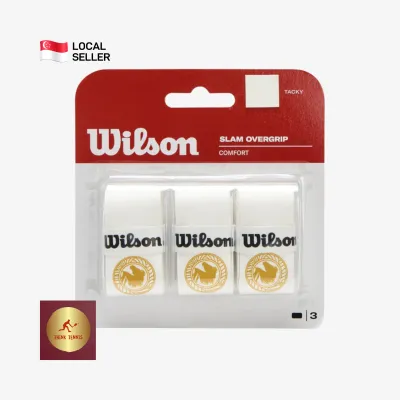
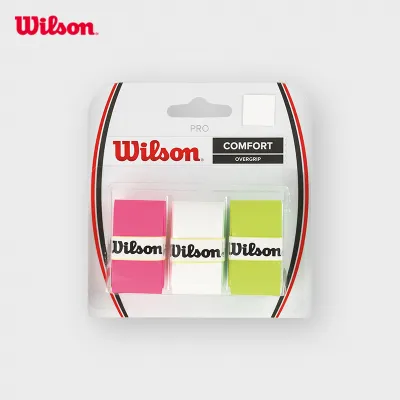
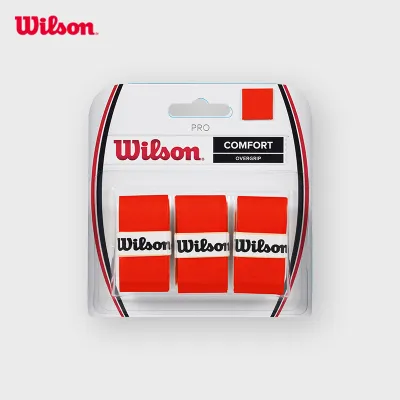
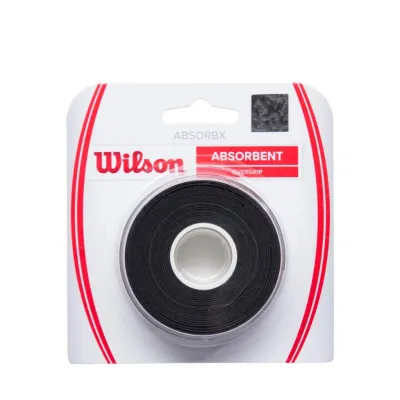
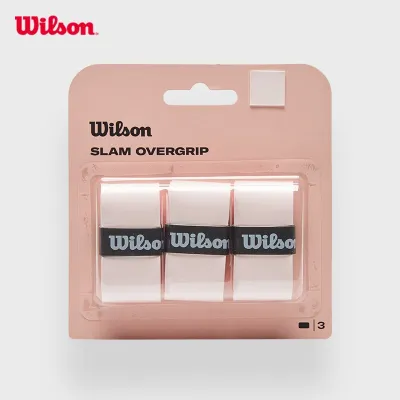
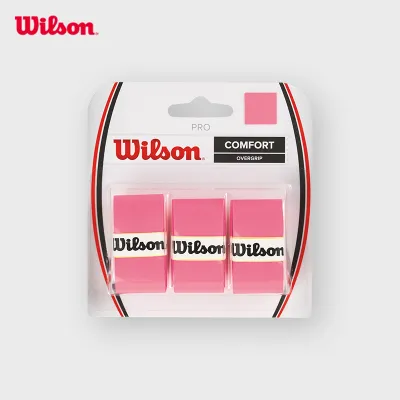
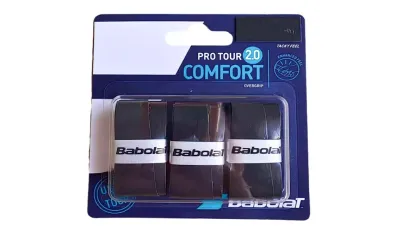
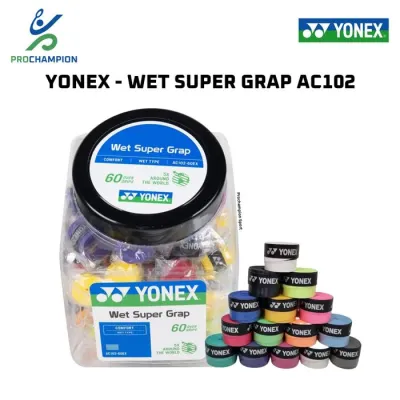
Prices are valid at publication and may change. Please refer to the product page for the latest price.
Inspect Your Current Grip: Signs You Need a Change
Determining which wrap you need begins with a thorough physical inspection of your racket handle. Start by looking closely at the surface of the grip currently installed on your racket. If you see visible peeling, cracking, deep wear patches where your fingers rest, or if the material is actively crumbling into small black flakes, the structural integrity of the wrap has failed. These visual cues indicate that the synthetic materials or leather have degraded from exposure to friction, hand oils, and environmental moisture.

Next, perform a tactile assessment of the handle. Squeeze the grip firmly and slide your hand along the surface. If the handle feels completely slick, dry, or hardened like plastic, it has lost its ability to provide friction. Conversely, if the grip feels permanently damp, slimy, or emits a musty odor, the internal fibers are saturated with sweat and can no longer absorb moisture. Pay close attention to the cushioning as well; if you squeeze the handle and feel the hard edges of the underlying frame pressing directly into your palm with little to no compression, the internal foam or gel cushioning has collapsed.
Finally, evaluate how the racket behaves during active play. If you find yourself constantly adjusting your hand because the racket twists upon ball impact, or if you can no longer feel the distinct bevels of the handle, your grip is no longer performing its safety and control functions. A worn-out grip forces you to squeeze the racket tighter to prevent slippage, which can lead to muscle fatigue in your forearm and increase the risk of developing tennis elbow.
When to Apply an Overgrip
An overgrip is the ideal solution when your racket’s underlying replacement grip is still structurally sound, firm, and properly cushioned, but the outermost surface has lost its grip or sweat-wicking properties. For players navigating high-humidity environments, such as the tropical climate of Singapore, sweat is a constant challenge that quickly saturates racket handles. In these conditions, applying a fresh overgrip is a highly efficient way to maintain a dry, secure hold without the hassle of replacing the entire base grip every few weeks.
Overgrips are also highly beneficial for players who play frequently and require a customized handle feel. If you prefer a very tacky, sticky sensation to keep the racket from twisting during heavy topspin shots, or if you prefer a soft, towel-like dry feel to manage heavy perspiration, overgrips allow you to customize these surface characteristics easily. They are designed to be changed regularly, making them a cost-effective maintenance tool for active players who want to keep their equipment performing consistently.
However, you must recognize the physical limitations of an overgrip. It cannot restore a handle that has lost its core cushioning or has begun to disintegrate. Wrapping a thin overgrip over a lumpy, flattened, or crumbling base grip will not hide the underlying structural defects. The overgrip will simply conform to the uneven shape of the damaged base, resulting in an uncomfortable, irregular handle that compromises your control and fails to absorb shock effectively.
When to Install a Replacement Grip
You must install a new replacement grip when the foundational layer of your racket handle is severely worn, compressed, or physically damaged. Over time, the constant pressure from your hand flattens the cushioning materials inside a base grip, permanently reducing its shock-absorption capabilities. If you begin to feel harsh, jarring vibrations traveling up your arm when hitting off-center shots, it is a clear sign that the base grip has lost its protective qualities and needs to be replaced entirely.
A replacement grip is also necessary if you have recently acquired a second-hand racket or if your current racket has been sitting unused in storage for an extended period. Over years of storage, the adhesives and synthetic polymers in a base grip can dry out, liquefy, or become extremely sticky and brittle. Stripping the handle down to the bare frame and applying a fresh replacement grip restores the racket to its original factory specifications, ensuring you have a clean, sanitary, and structurally sound foundation.
Additionally, installing a replacement grip offers an opportunity to adjust your overall grip size and handle feel. If your current handle feels slightly too small, you can select a thicker, highly cushioned replacement grip to increase the circumference. Conversely, if you want to feel the bevels of the handle more sharply for precise grip changes, you can install a thin leather replacement grip, which provides maximum bevel feedback and a firm, traditional feel. Always refer to your racket manufacturer’s guidelines to ensure the replacement grip you select is compatible with your handle’s dimensions.
Step-by-Step Decision Guide: Which Wrap Should You Buy?
To finalize your decision, follow this straightforward diagnostic path based on your racket’s current state and your playing habits. First, strip off any old overgrips to expose the original base grip. Press your thumb firmly into the material; if it compresses slightly and springs back, and the surface is free of deep gouges or flaking, your base grip is healthy. In this scenario, you only need to purchase an overgrip to restore surface tackiness or moisture absorption, saving you from spending S$15 to S$30 on a full replacement grip when a simple overgrip would suffice.
If, however, the base grip is flaking, sticky to the touch, permanently compressed, or sliding off the handle, you must purchase a replacement grip. If you play multiple times a week in hot, humid conditions, a practical strategy is to buy one high-quality replacement grip to establish a durable, cushioned foundation, and then purchase a multi-pack of overgrips to wrap over it. This combination allows you to frequently swap out the cheap overgrip as it gets dirty or wet, while preserving the expensive base grip underneath for several months.
Before making your purchase at a local sports shop or online marketplace, verify your racket’s grip size and check the manufacturer’s recommendations. Ensure you have the necessary tools if you plan to install a replacement grip yourself, such as scissors and double-sided tape, or consider visiting a professional stringer to ensure a seamless, tight installation that preserves the handle’s bevels.
Frequently Asked Questions (FAQ)
Can I put an overgrip directly on the bare racket handle?
No, you should never apply an overgrip directly onto a bare racket handle. Overgrips are extremely thin and do not possess the necessary thickness or cushioning to absorb the shock of ball impacts, which can lead to hand discomfort or joint strain. Furthermore, wrapping an overgrip directly onto the bare handle will make the grip size too small and will fail to define the handle bevels, making it difficult to control the racket face.
How often should I change my tennis overgrip?
You should change your overgrip as soon as you notice a visible loss of tackiness, color fading, or when the material begins to slip in your hand during play. For casual players, this might be after six to ten hours of play, but in hot, humid climates where sweat production is high, you may need to change it every two to three sessions to maintain optimal control and hygiene.
Does adding an overgrip change my racket's grip size?
Yes, adding an overgrip will slightly increase your racket’s grip size by approximately half a size (about 1.5 mm in circumference). While this can be a helpful way to customize a handle that feels slightly too small, you should avoid wrapping multiple overgrips on top of each other, as this rounds out the handle bevels and reduces your ability to feel the orientation of the racket face.

Community discussion
Share your experience or ask a question. Comments are reviewed before publication.