
When navigating the tropical heat of Singapore, keeping your water ice-cold throughout the day is more than a preference—it is a daily necessity. If you are comparing the Owala 16oz tumbler against other popular sports water bottles, you are likely looking for a definitive answer on which one maintains its temperature the longest. Without independent, standardized laboratory testing conducted under identical environmental conditions, it is impossible to declare a single, absolute winner for cold retention. Real-world thermal performance is not determined by brand name alone; instead, it depends heavily on physical design elements such as lid construction, seal integrity, overall capacity, and how the bottle is used throughout the day. By understanding these design variables and evaluating manufacturer specifications, you can choose the ideal insulated companion for your daily commute, gym sessions, or outdoor activities.
What Actually Keeps Drinks Cold in an Insulated Tumbler?
To understand how a 16oz tumbler performs, it helps to look at the physics of thermal insulation. Most premium sports bottles utilize double-wall vacuum insulation. This construction features two layers of stainless steel with the air evacuated from the space between them. Because a vacuum contains no air molecules, it prevents heat transfer by conduction and convection, keeping the warm ambient air of Singapore from warming your cold beverage. Some manufacturers add a copper lining to the outer surface of the inner wall to further reflect thermal radiation, a feature you can verify by checking the product’s technical specifications on the packaging or official website.
While the vacuum body does the heavy lifting, the lid is the primary point of thermal vulnerability. Unlike the solid, insulated walls of the tumbler, lids are typically made of plastic and contain openings for drinking. An open straw port or a loose-fitting lid allows warm air to enter and cold air to escape, accelerating the melting of ice. Fully sealed flip lids or screw-on caps create an airtight barrier that significantly improves temperature retention compared to open-style straw lids.
Products mentioned in this guide
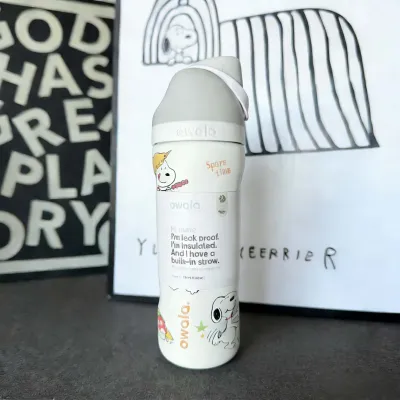
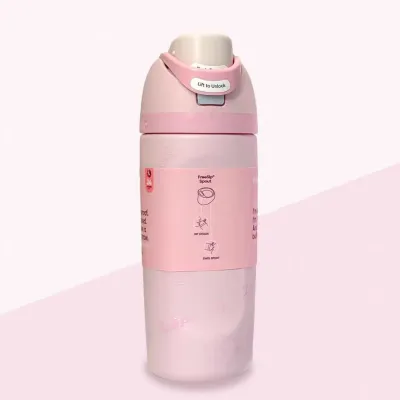
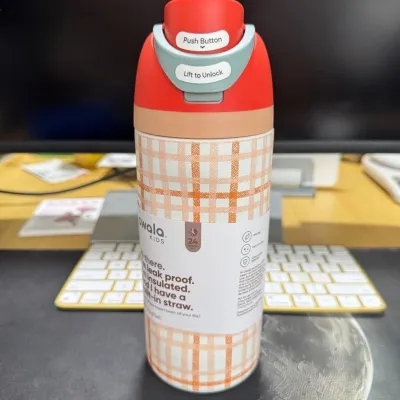
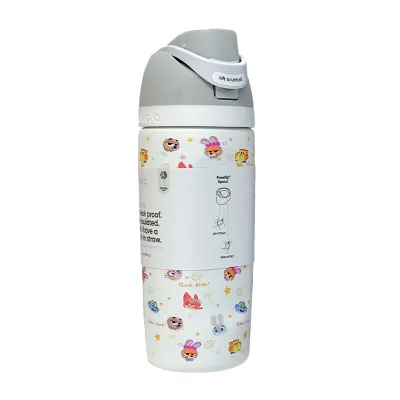
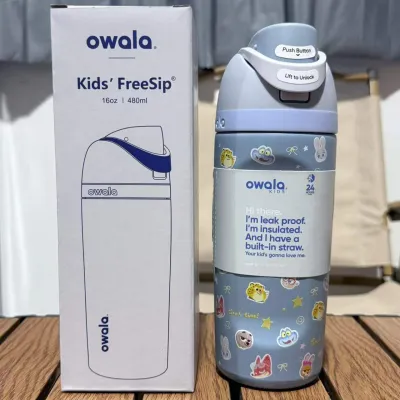
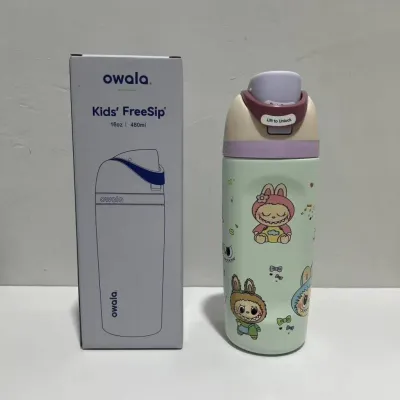
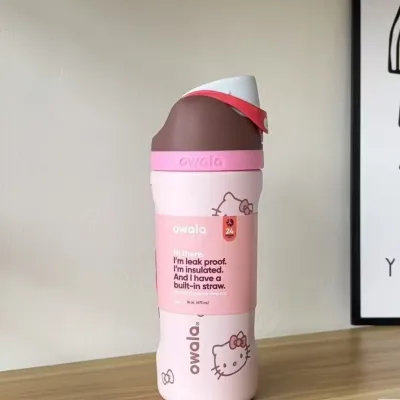
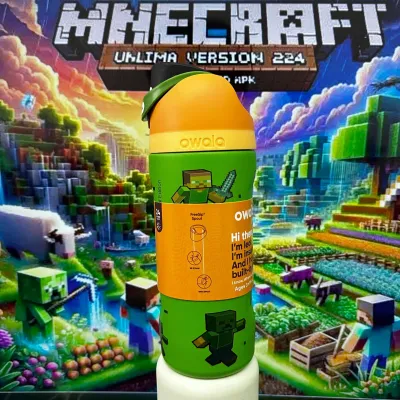
Prices are valid at publication and may change. Please refer to the product page for the latest price.
Capacity also plays a critical role in thermal dynamics due to the volume-to-surface-area ratio. A smaller 16oz tumbler has less liquid volume to absorb incoming heat compared to a larger 32oz or 40oz bottle. Consequently, even with identical insulation technology, a 16oz tumbler will naturally warm up faster than its larger counterparts when exposed to the same external conditions. This makes the efficiency of the lid seal and the frequency of opening even more critical for smaller vessels.
Finally, external environmental factors dictate how hard your tumbler has to work. In Singapore, where outdoor temperatures frequently exceed 30°C and humidity levels remain high, the temperature differential between your ice water and the surrounding air is substantial. Leaving your tumbler in direct sunlight on a park bench, inside a hot car parked outdoors, or even in a non-air-conditioned backpack will rapidly accelerate heat transfer, regardless of the brand.
Owala 16oz Tumbler: Design and Insulation Features
The Owala 16oz tumbler is designed with a focus on user convenience and versatile drinking options, but these design choices directly influence its thermal performance. To evaluate its insulation capabilities, start by checking the manufacturer’s official documentation or product packaging for their specific cold-retention rating. These ratings are typically established under controlled laboratory conditions and serve as a baseline for what the vacuum seal can achieve when the lid remains closed.

A key feature of the Owala design is its proprietary lid mechanism, which often integrates a built-in straw or a dual-option spout. While this design allows for quick, one-handed sipping without tilting the bottle, the complexity of the lid affects thermal efficiency. Every time you open the lid to drink, you introduce ambient air into the chamber. Furthermore, lids with multiple moving parts or integrated straw channels have more potential pathways for minor heat transfer compared to a simple, solid insulated cap. If you frequently open the spout throughout a humid afternoon, the internal temperature will rise faster than if the bottle remained sealed.
In terms of materials, the tumbler features a durable stainless steel body, typically finished with a powder coating. This exterior finish is not just aesthetic; it provides a secure grip when your hands are sweaty or wet. More importantly, high-quality double-wall insulation prevents condensation from forming on the outside of the tumbler. In Singapore’s high humidity, non-insulated bottles quickly become covered in sweat, dripping water onto your desk or inside your bag. A dry exterior is a reliable indicator that the vacuum seal is intact and functioning properly.
The physical footprint of the 16oz size is highly practical for daily use. With a slim base, it is designed to fit easily into standard vehicle cup holders, gym equipment slots, and the side pockets of commuter backpacks. This portability makes it an excellent choice for active individuals, though the smaller volume means you will need to refill it more frequently during extended outdoor excursions.
Owala 16oz vs. Other Popular Sports Tumblers
When comparing the Owala 16oz to other popular sports tumblers on the market, the primary point of differentiation lies in the lid design and sealing mechanisms. Many competing tumblers utilize a simple press-fit lid with an open straw hole or a basic sliding closure. These open designs are highly convenient for desk use but offer minimal resistance to heat transfer and are prone to leaking if tipped over. In contrast, bottles equipped with fully sealed, leakproof screw caps or locking flip lids provide a superior thermal barrier, making them better suited for keeping drinks cold during long periods outdoors.
Build quality and physical durability are also important to compare. Look for tumblers constructed from food-grade 18/8 stainless steel, which resists rust and does not retain flavors from previous drinks. You can check the weight and wall thickness of different models in retail stores; a heavier bottle often indicates thicker steel or additional insulating layers, though this adds to the carrying weight in your bag. Examine the sturdiness of the carrying loops, hinges, and locking mechanisms, as these are the components most likely to wear out over time.
From a price-to-value perspective, insulated tumblers in Singapore generally range from budget-friendly options to premium lifestyle brands, with prices typically spanning from S$20 to S$60 or more. While premium brands often carry a higher price tag, they frequently offer longer warranty terms covering manufacturing defects or vacuum seal failures. Before making a purchase, verify the current retail prices at local sporting goods stores or authorized online marketplaces, and read the specific warranty terms to ensure your investment is protected.
Your choice should ultimately depend on your primary use case. For instance, if you spend most of your day in an air-conditioned office or classroom and prefer the convenience of a built-in straw for frequent sipping, a straw-style tumbler like the Owala is highly practical. However, if you are planning a weekend hike at Bukit Timah Nature Reserve or spending hours under the sun at East Coast Park, a tumbler with a fully sealed, insulated screw cap will offer better protection against the tropical heat and prevent accidental spills in your pack.
Which Tumbler Fits Your Daily Hydration Routine?
Selecting the right insulated tumbler requires matching its physical features to your daily habits and environment. The Owala 16oz is an excellent fit if you prioritize a versatile lid mechanism that allows for quick, one-handed operation while driving or working. Its lightweight build and compact size make it easy to carry around throughout a busy day of commuting on the MRT or running errands.
On the other hand, you may want to consider alternative tumblers with fully sealed, heavy-duty caps if your routine involves extended outdoor exposure where maximum cold retention is your top priority. If you find that a 16oz capacity does not provide enough hydration to get you through a workout or a half-day outing without constant refilling, opting for a larger size, such as a 24oz or 32oz model, would be a more practical choice.
Before finalizing your decision, perform a few practical checks. Verify the physical dimensions of the tumbler to ensure it fits into your specific backpack side pockets, bicycle bottle cages, or car cup holders. Additionally, look closely at the cleaning requirements; some tumblers are strictly hand-wash only, while others have dishwasher-safe components. A bottle that is difficult to clean can quickly accumulate residue, especially in warm, humid climates.
Keep in mind that standard insulated tumblers are designed for daily hydration and may not suffice if you require specialized thermal performance for extreme conditions, such as professional sports training or multi-day wilderness expeditions. For standard daily use in Singapore, however, focusing on lid security, material quality, and a size that fits your carrying method will lead you to the right choice.
Frequently Asked Questions (FAQ)
Does pre-chilling a tumbler improve its cold retention?
Yes, pre-chilling your insulated tumbler can noticeably improve how long your drink stays cold. When you pour a cold beverage into a room-temperature tumbler, the heat stored in the inner stainless steel wall is immediately transferred to the liquid, causing the initial temperature of your drink to rise. To prevent this, fill the tumbler with ice water and let it sit for a few minutes before emptying it and adding your actual beverage. This simple step lowers the temperature of the inner metal wall, ensuring that your drink remains at its optimal coldness from the very start.
How should I clean an insulated tumbler to maintain its performance?
Proper cleaning is essential to preserve both the hygiene and the thermal performance of your tumbler. Always check the manufacturer’s instructions regarding dishwasher safety, as the high heat and intense pressure of some dishwashers can damage the vacuum seal or degrade the exterior powder coating. To maintain a tight seal, regularly disassemble the lid, removing any silicone gaskets, O-rings, and straw components. Clean these parts thoroughly with mild dish soap and a small brush to prevent mold growth, which is common in humid environments, and ensure all parts are completely dry before reassembling them to maintain an airtight, leakproof fit.

Community discussion
Share your experience or ask a question. Comments are reviewed before publication.