
When selecting a sports water bottle for intense workouts, temperature retention is often a primary concern. Owala has gained significant traction in the fitness community, particularly with its FreeSip design and striking colorways like Black Cherry. However, when comparing Owala’s insulation performance to other established sports water bottle brands, the physical reality is that most premium options rely on the same foundational technology: double-wall vacuum insulation. The true differences in how long your water stays ice-cold during a workout do not stem from a secret proprietary steel formula, but rather from the engineering of the lid, the frequency of use, and the specific environmental conditions of your training space.
To make an informed decision, you must look past marketing buzzwords and evaluate how different bottle structures manage heat transfer. Whether you are training in a high-humidity indoor gym or running outdoors in tropical heat, understanding these thermal dynamics allows you to choose a bottle that aligns with your hydration habits and performance needs.
Core Insulation Dimensions to Compare
To understand how Owala compares to other sports bottles, it is essential to break down the physical components that govern thermal retention. The primary mechanism behind any high-performance sports bottle is double-wall vacuum insulation. This construction consists of an inner and an outer stainless steel vessel welded together, with the air evacuated from the space between them. Because a vacuum contains virtually no matter, it prevents heat transfer via conduction and convection. Radiation is the only remaining pathway for heat to enter, which manufacturers often minimize by applying reflective copper plating to the inner wall. When evaluating Owala against competitors, you will find that this core steel structure is highly standardized across premium brands; the variance in thermal performance typically lies elsewhere.
Products mentioned in this guide
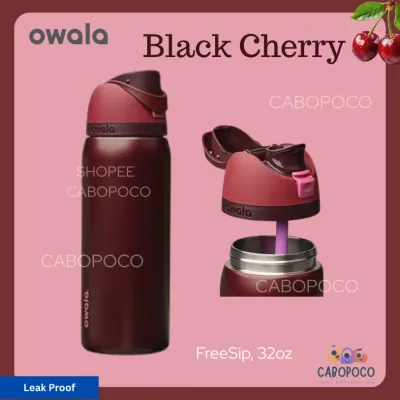
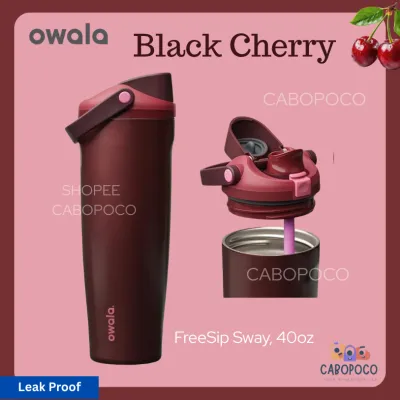
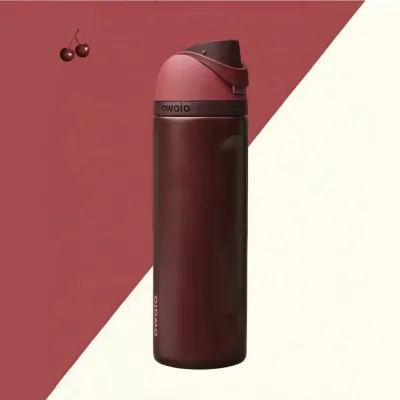
![ready stock Original [100% Authentic]Owala FreeSip Black Cherry Water Bottle 24oz/32oz Leak-Proof with Built-in StrawBPA-Free for Sports](https://img.lazcdn.com/g/p/462188609a2721f45617e5d3efc8e98c.jpg_webp_400x400q80.jpg_.webp)
Prices are valid at publication and may change. Please refer to the product page for the latest price.
The lid is the most significant point of thermal vulnerability in any insulated bottle. While the stainless steel body is highly effective at blocking heat, the lid is typically made of plastic and silicone, which do not offer the same level of insulation. Furthermore, every time you open the bottle to drink, you introduce ambient air into the chamber. Owala’s FreeSip lid features a unique dual-function design that allows users to either sip through a built-in straw or swig through a wider spout. This design requires a complex sealing mechanism with multiple silicone gaskets to prevent leaks. In comparison, a simple, heavy-duty screw-top lid from a competitor may have fewer seams and a thicker plastic barrier, potentially offering a tighter thermal seal at the cost of convenience. If your workout requires quick, one-handed hydration, the FreeSip lid provides rapid access, but the intricate seal interface is a critical area to inspect for wear over time, as any degradation in the silicone gaskets will compromise both leak resistance and temperature retention.
Beyond the internal physics, the exterior finish of the bottle plays a practical role in your overall workout experience. The Owala FreeSip in the Black Cherry colorway, for example, features a durable powder-coated finish. This textured exterior does not directly improve the internal vacuum’s thermal performance, but it significantly affects how the bottle handles environmental temperature and moisture. In highly humid environments, such as outdoor fitness parks in Singapore, non-insulated bottles quickly accumulate external condensation, making them slippery and difficult to hold. While a double-wall vacuum bottle prevents condensation from forming on the outside, a high-quality powder coat provides an enhanced tactile grip when your hands are sweaty. It also acts as a mild thermal buffer, preventing the exterior steel from feeling uncomfortably hot if left in direct sunlight during an outdoor training session.
Evaluating Temperature Retention for Different Workouts
Matching a bottle’s insulation capabilities to your specific training environment is crucial for maintaining cold hydration. For indoor gym sessions in air-conditioned environments, the thermal demands on your bottle are relatively low. In these settings, almost any reputable double-wall vacuum bottle, including Owala, will easily keep your water cold for the duration of a standard one-to-two-hour workout. However, if you transition your training outdoors—such as long-distance running, cycling, or boot camps in tropical climates—the ambient heat and intense sunlight place a much higher thermal load on the bottle. Under these conditions, the rate of heat transfer increases, and the structural differences between bottles become more apparent.

The thermodynamic behavior of your beverage also depends on what you put inside. Most sports water bottles are optimized for cold liquids, which benefit from the addition of ice cubes to act as a thermal reservoir. When you fill an Owala or a competing bottle with ice water, the ice absorbs incoming heat energy as it melts, keeping the liquid temperature near freezing for an extended period. Conversely, if you use your bottle for hot beverages during outdoor activities, the temperature gradient between the hot liquid inside and the external air is often much steeper. It is important to note that many sports lids with built-in straws are not rated for hot liquids due to pressure buildup and burn risks; always verify the manufacturer’s instructions regarding hot beverage compatibility before use.
Regardless of the brand you choose, the single greatest factor accelerating temperature loss during active use is how often you open the bottle. Every time you flip open the lid of an Owala FreeSip or unscrew the cap of a competitor’s bottle, you initiate an exchange of air. The cold air inside the bottle escapes, and warm, humid ambient air rushes in. If you take frequent, small sips throughout a long workout, you will experience faster temperature degradation than if you open the bottle less frequently. Therefore, while a bottle may be rated to keep liquids cold for up to 24 hours in a closed, static state, real-world sports usage will always result in a shorter cold-retention window.
How to Verify Manufacturer Insulation Claims
When shopping for a sports water bottle, you will encounter various marketing claims promising dozens of hours of cold retention. To make an objective comparison, you must know how to locate and interpret these specifications. Manufacturers typically list their thermal ratings on the product packaging, hangtags, or official online specification sheets. These ratings are usually expressed as “keeps cold for up to 24 hours” or “keeps hot for up to 12 hours.” It is vital to understand that these figures are obtained under controlled laboratory conditions—typically with the bottle filled completely with ice-cold water, sealed continuously, and kept in a temperature-controlled room. They do not reflect active use in a hot gym or outdoor track.
To verify these claims and protect your investment, you should carefully examine the manufacturer’s warranty policy. A loss of insulation is often covered under lifetime warranties against manufacturing defects, but you must understand what qualifies. A genuine vacuum failure occurs when the seal between the double walls is compromised, allowing air to re-enter the chamber and instantly destroying the bottle’s insulating properties. This is different from normal wear and tear, such as dents from drops or scratches on the powder coat, which are generally not covered. If you drop your bottle and notice that the exterior becomes hot to the touch immediately after filling it with cold water, the vacuum seal has likely failed, and you should consult the brand’s warranty guidelines to see if you qualify for a replacement.
Additionally, look for independent testing standards or material safety certifications listed by the manufacturer. High-quality sports bottles should explicitly state that they are BPA-free, phthalate-free, and constructed from food-grade 18/8 stainless steel (also known as 304-grade stainless steel). This material is highly resistant to rust and flavor retention, ensuring that your water tastes clean even after repeated use. Checking for these material certifications on the packaging or official brand website provides peace of mind that the bottle is safe for daily hydration and built to withstand the physical demands of regular exercise.
Decision Framework: Choosing Your Workout Bottle
To choose the right bottle for your fitness routine, you must weigh your specific hydration habits against the design trade-offs of each brand. The Owala FreeSip, including popular options like the Black Cherry colorway, is highly suited for dynamic, fast-paced workouts where convenience is key. The primary advantage of the FreeSip design is its one-handed operation; with a simple press of a button, the lid springs open, allowing you to drink via the built-in straw without tilting your head, or swig from the wide spout if you need rapid hydration. This makes it an excellent choice for treadmill running, indoor cycling, or gym workouts where you want to minimize distractions and maintain your momentum.
However, if your priority is optimal thermal efficiency or ease of maintenance, a traditional sports bottle with a simpler lid design may be more appropriate. Bottles with basic screw-caps or wide-mouth lids have fewer moving parts and fewer silicone seals, making them easier to clean thoroughly and less prone to eventual seal degradation. A simpler lid also presents a smaller surface area of non-insulated material, which can slightly improve overall temperature retention during long periods of storage. Furthermore, if you prefer to load your bottle with large ice chunks or use it for both hot and cold beverages, a wide-mouth bottle without an integrated straw mechanism offers greater versatility.
Finally, if you are preparing for extreme outdoor endurance events, such as multi-day hiking trips or long-distance cycling in intense heat, you should verify whether a standard fitness bottle is sufficient. Specialized expedition or heavy-duty outdoor bottles often feature thicker steel walls, enhanced copper linings, and fully insulated caps designed specifically to maximize thermal retention under harsh conditions. While these specialized bottles may lack the quick-sip convenience of the Owala FreeSip, they prioritize thermal performance above all else. Assess your typical workout duration, your preferred drinking style, and your training environment to determine which set of features will best support your fitness goals.
Frequently Asked Questions (FAQ)
Does the color or finish affect insulation performance?
The exterior color or finish of a water bottle, such as the powder-coated Black Cherry finish on an Owala bottle, does not affect the internal vacuum insulation. The vacuum layer between the double walls of stainless steel is what prevents heat transfer, and this layer remains unaffected by the paint applied to the outermost surface. However, the finish does influence how the bottle feels in your hand. A high-quality powder coat provides a textured grip that prevents slipping when wet and reduces the tactile sensation of external heat when the bottle is exposed to direct sunlight.
How can I test my bottle's vacuum seal at home?
If you suspect your bottle’s insulation has failed, you can perform a simple hot water test at home. Carefully fill the bottle with hot water from the tap—do not use boiling water, as extreme pressure can build up and cause hot liquid to spray when opening the lid. After filling, feel the exterior of the bottle. If the vacuum seal is intact, the outside of the bottle should remain cool to the touch. If the exterior wall becomes warm or hot within a few minutes, it indicates that the vacuum seal has failed, allowing heat to transfer directly through the steel walls. If this occurs, stop using the bottle for temperature-sensitive liquids and check the manufacturer’s warranty policy for a replacement.

Community discussion
Share your experience or ask a question. Comments are reviewed before publication.