
Selecting the right sports bottle often comes down to a balance between thermal performance, taste purity, and physical durability. While standard stainless steel bottles have long been the default choice for athletes and outdoor enthusiasts, ceramic-lined alternatives are gaining traction. The primary difference between these two options lies not in their core insulating capabilities, but in how the inner surface interacts with your beverages and how the bottle handles physical impact. Understanding these differences helps you choose a bottle that matches your hydration habits, whether you are commuting in Singapore’s humid climate or embarking on a rugged outdoor trek.
Understanding Cold Retention: Ceramic-Lined vs Stainless Steel
To understand how these bottles keep drinks cold, it is essential to look at the engineering behind vacuum insulation. The primary driver of temperature retention is not the material of the inner lining itself, but the presence of a double-walled vacuum structure. In a double-walled bottle, air is evacuated from the space between the inner and outer walls, creating a vacuum barrier. Because heat requires a medium to travel through via conduction or convection, this vacuum gap significantly slows down the transfer of external heat to the liquid inside.
When comparing a standard double-wall stainless steel bottle to a ceramic-lined double-wall vacuum bottle, the underlying insulation mechanism remains identical. Both rely on the vacuum gap to maintain cold temperatures. However, a single-wall ceramic vessel has no vacuum barrier and will lose temperature rapidly. A ceramic-lined sports bottle is actually a stainless steel vacuum bottle with a thin layer of ceramic material fused to the interior wall.
Products mentioned in this guide
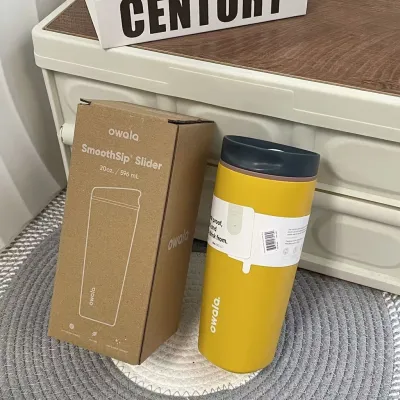
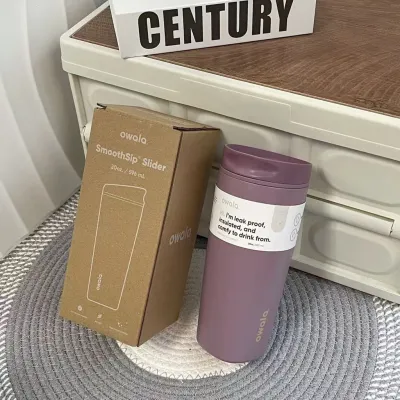
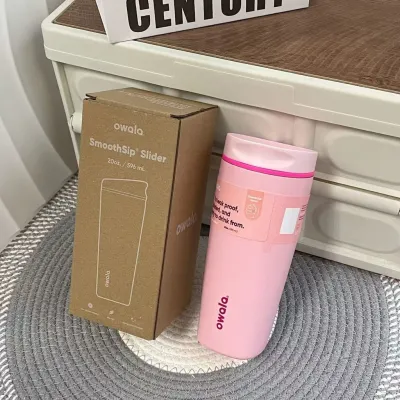
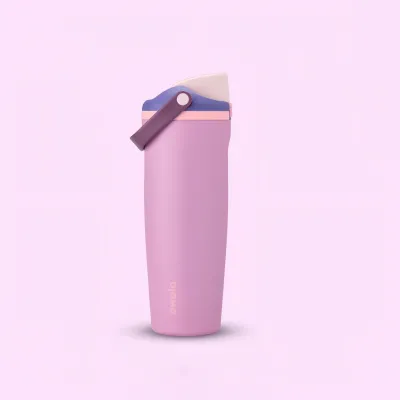
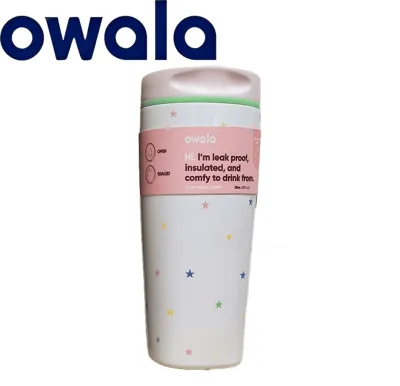
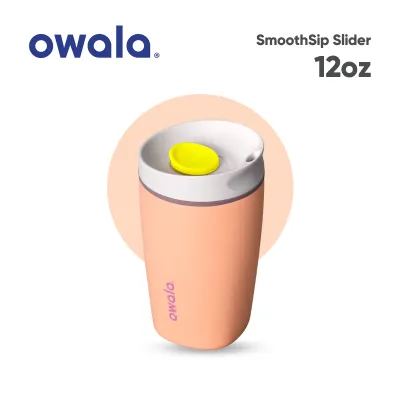
Prices are valid at publication and may change. Please refer to the product page for the latest price.
Because the ceramic layer is an addition to the stainless steel structure, it can slightly alter the physical properties of the bottle. The added thickness of the ceramic coating, though minimal, can marginally reduce the internal volume compared to a standard stainless steel bottle of the same external dimensions. Furthermore, ceramic has a different thermal mass than stainless steel. While this does not significantly compromise the vacuum barrier’s efficiency, it means the bottle itself may absorb a tiny amount of thermal energy when you first pour in a cold drink.
To determine exactly how long a specific bottle will keep your drinks cold, you should always consult the manufacturer’s specification labels rather than making assumptions based on the liner material. Thermal performance ratings are highly dependent on factors such as lid design, mouth opening width, and overall volume. A bottle with a straw lid or a wide mouth may lose cold air faster than one with a narrow, insulated screw cap, regardless of whether the interior is lined with ceramic or bare stainless steel.
Taste Purity and Odor Transfer
One of the most significant differentiators between these two bottle types is how they affect the flavor of your beverages. Standard stainless steel is highly durable and hygienic, but some users experience a distinct metallic taste, especially when drinking plain water. This taste is often caused by the interaction between the liquid and the metal surface, or by microscopic residues left behind during the manufacturing process. While this metallic note is harmless, it can be off-putting for those who prefer completely neutral-tasting water.

Ceramic-lined bottles address this issue by introducing a non-reactive, non-porous barrier between the liquid and the metal. The ceramic coating does not leach metallic ions into your drink, ensuring that water tastes exactly as it should. This neutral surface is particularly beneficial if you use your sports bottle for a variety of beverages, such as citrus-infused water, electrolyte sports drinks, or iced coffee. Acidic liquids can sometimes react subtly with bare stainless steel, altering the flavor profile, whereas ceramic remains completely inert.
Odor retention is another critical factor for active users. Standard stainless steel bottles can develop persistent odors if they are used for protein shakes, sports drinks, or coffee and are not cleaned immediately. The microscopic texture of stainless steel, while seemingly smooth, can harbor tiny organic particles over time. Ceramic coatings provide an ultra-smooth surface that makes it much harder for odor-causing residues to cling to the interior. However, if either bottle type is left unwashed with organic liquids inside, bacteria will grow and cause odors, meaning regular maintenance is always required.
Durability, Weight, and Everyday Maintenance
While ceramic-lined bottles offer clear advantages in taste purity, they require more careful handling than their solid stainless steel counterparts. The interior ceramic lining is a thin, fused coating. If a ceramic-lined bottle is dropped onto a hard surface, such as a concrete gym floor or a rocky trail, the impact can cause the stainless steel outer shell to dent. This sudden deformation can cause the rigid ceramic lining inside to crack, chip, or peel away from the metal. Once the lining is compromised, the bottle loses its taste-neutral benefits and may become difficult to clean safely.
In contrast, standard stainless steel bottles are exceptionally rugged. A drop might result in an external dent or scratch, but the structural integrity of the inner wall remains intact, and there is no coating to chip off. This makes bare stainless steel a reliable choice for high-impact sports, climbing, or situations where the bottle is likely to be tossed into a gear bag or dropped on rough terrain.
Weight is another practical consideration for sports and outdoor activities. Ceramic-lined bottles are generally heavier than standard stainless steel bottles of equivalent capacity due to the added mass of the ceramic layer. While a difference of a few dozen grams may seem negligible during a daily commute, it can become noticeable when carrying the bottle on a long hike or run.
Maintenance routines also differ slightly. Standard stainless steel bottles are highly resilient and can often withstand vigorous scrubbing with stiff bottle brushes. Ceramic-lined interiors require gentler care. To preserve the integrity of the coating, you should avoid using abrasive metal scrubbers or highly stiff synthetic brushes that could scratch the surface. Always check the manufacturer’s instructions regarding dishwasher safety; while some stainless steel bottles are dishwasher-safe, the high heat and harsh detergents in a dishwasher can sometimes degrade ceramic coatings or the adhesives holding them to the steel.
Decision Framework: Choosing the Right Bottle for Your Needs
To select the bottle that best fits your lifestyle, consider how and where you plan to use it.
Choose a Ceramic-Lined Bottle if:
- You are highly sensitive to metallic tastes and prefer completely neutral water.
- You frequently carry acidic beverages, sports drinks, pre-workout mixes, or coffee.
- Your primary use cases are low-impact environments, such as office commuting, gym workouts, or indoor sports where the risk of dropping the bottle on hard surfaces is low.
Choose a Standard Stainless Steel Bottle if:
- You prioritize maximum physical durability and need a bottle that can survive drops, dents, and rugged outdoor adventures.
- You want the lightest possible carrying weight for hiking, backpacking, or long-distance running.
- You prefer a low-maintenance bottle that can handle vigorous scrubbing and frequent dishwasher cycles without risk of coating degradation.
Before making a purchase, verify the specific cold-retention ratings on the product packaging. Do not rely solely on the material type to guarantee performance; instead, check the manufacturer’s tested hours for cold retention to ensure the bottle meets your daily hydration needs.
Frequently Asked Questions (FAQ)
Can I put hot drinks in a ceramic-lined sports bottle?
Yes, many ceramic-lined vacuum bottles can safely hold hot liquids, but you must verify the manufacturer’s specific heat-retention ratings and lid compatibility first. Some sports lids, especially those with straws or quick-spout designs, are not engineered for hot liquids because pressure can build up inside the sealed bottle, leading to sudden spraying or leaks when opened. Always ensure the lid is rated for hot beverages to avoid burn risks.
Do ceramic-lined bottles stain from coffee or pre-workout drinks?
Ceramic coatings are highly resistant to staining because of their non-porous surface, making them less prone to discoloration than bare stainless steel. However, highly pigmented drinks like dark coffee, tea, or brightly colored pre-workout formulas can still leave a surface residue if allowed to dry inside the bottle. To maintain the clean appearance of the liner, rinse the bottle with warm water immediately after use and wash it gently with a soft sponge.

Community discussion
Share your experience or ask a question. Comments are reviewed before publication.