
Selecting the right insulated sports bottle to keep your drinks cold during intense workouts or outdoor adventures often comes down to how well a bottle’s design prevents heat transfer. While many options promise all-day chill, the actual thermal performance depends heavily on structural details like lid seals, opening sizes, and insulation construction. The Owala FreeSip Sway has gained attention for its unique dual-function lid, but deciding whether it or a traditional alternative is right for your active lifestyle requires looking closely at how these designs handle real-world conditions.
To make an informed choice, you need to understand how different bottle structures interact with your environment. Whether you are cycling under the afternoon sun, training in a humid indoor gym, or hiking on a remote trail, the way a bottle is built determines how long your water stays refreshing. By evaluating the physics of insulation and comparing specific design features, you can find a bottle that matches your hydration habits and activity level.
How Insulation and Design Affect Cold Retention
Double-wall vacuum insulation is the standard technology used to keep beverages cold in modern sports bottles. This construction features an inner and an outer stainless steel wall with the air vacuumed out of the space between them. Because a vacuum contains no air molecules, it virtually eliminates heat transfer by conduction and convection, which are the primary ways heat moves through solids and fluids. However, manufacturing variations can affect how long this barrier remains effective over years of use.
Products mentioned in this guide
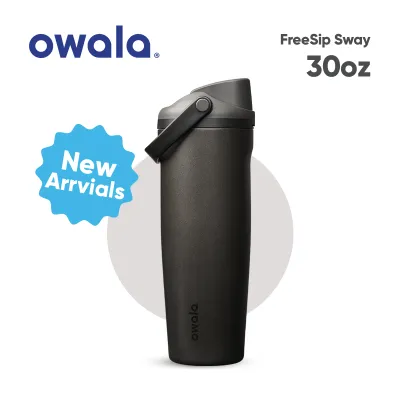
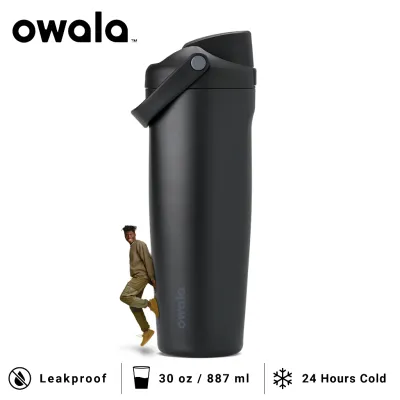
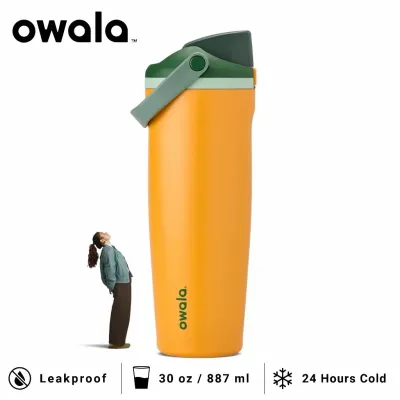
![[STRICTLY AUTHENTIC] Owala FreeSip Sway Stainless-Steel Water Bottle Tumbler with Dedicated Lock | Parallel Import](https://img.lazcdn.com/g/p/0ef200664ca7af92a4dec58b279fa47d.jpg_400x400q80.jpg_.webp)
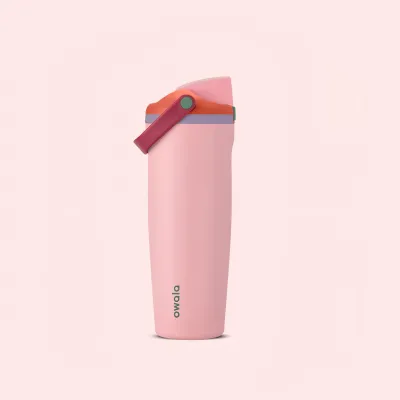
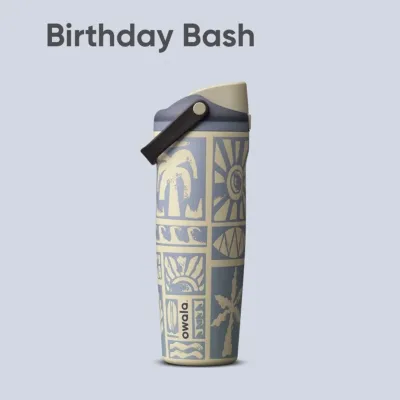
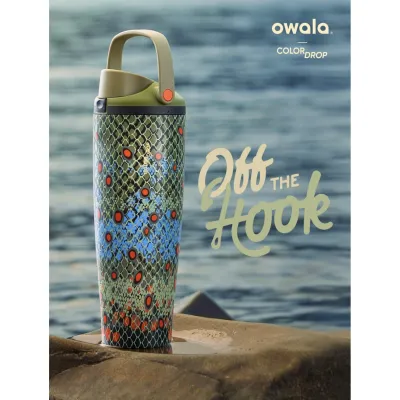
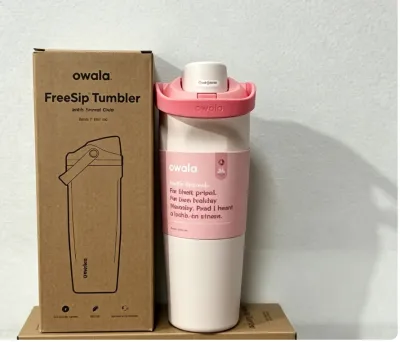
Prices are valid at publication and may change. Please refer to the product page for the latest price.
Beyond the vacuum itself, the capacity of the bottle and its surface-area-to-volume ratio play a significant role in temperature retention. A larger volume of cold water has more thermal mass, meaning it requires more heat energy to raise its temperature by one degree compared to a smaller volume. Consequently, a larger bottle will generally keep drinks cold longer than a smaller bottle of the exact same design, assuming both start at the same temperature.
Starting temperature and the use of ice are also critical variables. Filling a bottle with ice-cold water from a filtration system or adding solid ice cubes significantly extends the cold retention period. The ice absorbs latent heat as it melts, maintaining a low temperature inside the flask even as heat slowly penetrates the outer barriers.
While the steel body of a bottle is highly insulated, the lid is typically the weakest link in the thermal barrier. Lids are usually made of plastic and silicone, which conduct heat much faster than a vacuum. Every time you open the bottle to drink, warm ambient air enters the flask while cold air escapes. A wider opening allows for faster air exchange, whereas a smaller spout or straw opening minimizes this thermal loss during quick sips.
Evaluating the Owala FreeSip Sway for Active Use
The Owala FreeSip Sway features a patented dual-function lid that allows you to drink in two different ways. You can hold the bottle upright to sip through the built-in straw, or tilt it back to swig through the wide-mouth opening. This versatility is highly convenient during active use, but it requires a complex internal gasket system to ensure both openings seal completely when the lid is closed.

From an insulation perspective, this multi-part lid design has specific implications. While the flip-top cap snaps shut to cover both the straw and the spout, the presence of multiple openings and moving parts means there are more potential points for minor air exchange compared to a solid, single-piece screw cap. However, during active workouts, the ability to sip through the small straw opening helps limit the amount of warm air entering the bottle compared to unscrewing a wide lid entirely.
Ergonomics and carrying convenience are also central to the Sway’s design. It includes an integrated carry loop that folds down flush against the lid when not in use, preventing it from catching on gear. The body of the bottle is designed to fit comfortably in the hand, but you should always verify the base dimensions against your specific gym equipment, car cup holders, or bicycle bottle cages to ensure a secure fit.
When assessing durability, look for food-grade 18/8 stainless steel construction, which resists dents and punctures from accidental drops on hard surfaces. It is also important to check the manufacturer’s care instructions. While some parts may be labeled as dishwasher safe, hand-washing the insulated body is often recommended to protect the vacuum seal and preserve the exterior powder coating over time.
For safety during active sports, remember that straw-equipped bottles are designed primarily for cold liquids. Using them with hot liquids can cause pressure to build up inside the flask, leading to accidental spills or sprays when the lid is opened. Always stick to cold or room-temperature beverages when using a straw lid.
Owala FreeSip Sway vs. Alternative Insulated Bottles
To choose the right bottle, it helps to compare the Sway’s lid mechanism and form factor against other common sports bottle designs. Different lid styles offer distinct trade-offs between thermal efficiency, ease of use, and leak prevention.
Flip-top straw lids, like the one on the Sway, offer rapid, one-handed access, making them excellent for driving, running on a treadmill, or cycling. However, they rely on precise silicone alignment to remain leak-proof. Traditional screw caps, on the other hand, provide a highly secure, airtight seal that is virtually impossible to leak when properly tightened, making them ideal for rough outdoor environments where the bottle might be tossed inside a backpack. Chug caps offer a middle ground, featuring a high-flow spout protected by a smaller screw-on or snap-on cover.
Form factor also varies widely across brands. Some alternative bottles feature straight, cylindrical bodies that maximize volume but can be difficult to grip with sweaty hands. Others offer tapered shapes or silicone sleeves that improve grip but may not fit standard cup holders. Choosing between these shapes depends on how you plan to carry and store the bottle during your activities.
| Bottle Type / Design | Lid Mechanism | Primary Carry Style | Common Capacity Options | Best Suited For |
|---|---|---|---|---|
| Owala FreeSip Sway | Dual-function (sip/swig) flip-top | Integrated fold-away loop | Check manufacturer listings | One-handed use, gym workouts, daily commuting |
| Traditional Screw-Cap Bottle | Threaded screw cap | Fixed loop or lid strap | Various standard sizes | Rugged outdoor use, backpacking, leak-proof transport |
| Heavy-Duty Chug-Cap Bottle | Screw-down spout cover | Rigid integrated handle | Large volume options | High-flow hydration, field sports, team practices |
Decision Guide: Matching the Bottle to Your Activity
If your routine consists of moderate workouts, gym sessions, or daily commutes where you need to hydrate quickly without blocking your vision, the Owala FreeSip Sway is an excellent option. Its dual-function lid allows you to sip easily while keeping your eyes on your surroundings, and the fold-away carry loop makes it highly portable for short trips.
If you are planning long, remote hikes, climbing trips, or activities where your gear will be subjected to rough handling, a traditional screw-cap or heavy-duty chug-cap bottle may be more appropriate. These designs offer maximum seal security, reducing the risk of accidental spills inside a pack. They also have fewer moving parts, making them easier to clean and maintain when access to clean water and soap is limited.
Before making a final decision, perform a quick compatibility check. Measure the width of your bicycle’s bottle cage, your backpack’s side pockets, or your treadmill’s cup holder. Compare these measurements to the specifications of the bottle you are considering to ensure a snug, secure fit that won’t slip out during sudden movements.
Frequently Asked Questions (FAQ)
Does drinking through the straw reduce cold retention?
Drinking through a straw has a negligible impact on cold retention during typical daily use. Because the straw opening is small, it limits the volume of warm air that enters the bottle compared to unscrewing the entire lid. However, if the flip-top lid is left open between sips, heat will transfer more rapidly through the exposed spout. Keeping the lid snapped shut when you are not actively drinking is the best way to preserve the cold temperature of your beverage.
How do I maintain the lid seal to ensure optimal insulation?
To maintain the thermal barrier and prevent leaks, regularly inspect the silicone gaskets inside the lid for any signs of wear, stretching, or mold. Clean the lid thoroughly after each use, paying close attention to the crevices around the straw and spout. Avoid using abrasive brushes or harsh chemicals that could degrade the silicone seals. If you notice a drop in insulation performance or find water seeping from the lid, check if the gaskets are seated correctly or contact the manufacturer to see if replacement seals are available.

Community discussion
Share your experience or ask a question. Comments are reviewed before publication.