
Owala’s temperature retention relies on the same double-wall vacuum stainless steel technology used by other leading sports bottle brands. While it effectively keeps drinks cold during typical gym sessions, its actual insulation performance and suitability for workouts depend heavily on the specific lid design, such as the FreeSip straw mechanism, and the bottle’s overall capacity. Rather than relying on generalized marketing claims, deciding if Owala is your best workout companion requires comparing official manufacturer specifications for cold retention, evaluating leak-proof ratings, and matching the bottle’s physical design to your specific exercise intensity and environment. Choosing the right sports bottle involves looking past brand popularity to understand how physical construction dictates thermal performance during your active routines.
How Owala's Insulation Technology Works
At the core of Owala’s temperature retention is double-wall vacuum insulation, a standard yet highly effective construction method in modern sports drinkware. This design features an inner and outer stainless steel vessel with a sealed vacuum gap between them. Because a vacuum contains virtually no matter, it prevents heat transfer via conduction and convection, which are the primary ways external heat warms your cold beverage. When you fill the bottle with ice-cold water, this barrier ensures that the ambient temperature of your gym, yoga studio, or outdoor track has a minimal path to penetrate the liquid inside.
To complement this thermal barrier, the exterior of these bottles is typically finished with a durable powder coating. This textured layer serves a dual purpose for active users. First, it acts as an additional, albeit minor, barrier against external temperature influences. Second, and more importantly, it prevents condensation—commonly known as sweating—from forming on the outside of the bottle when filled with ice water. In humid environments, such as outdoor fitness parks or non-air-conditioned training spaces, a sweat-free exterior ensures your grip remains secure during high-intensity movements and prevents moisture from damaging items in your sports bag.
Products mentioned in this guide
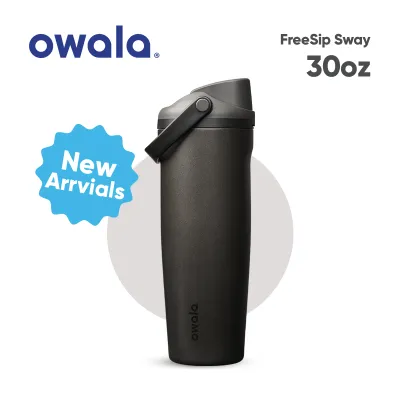
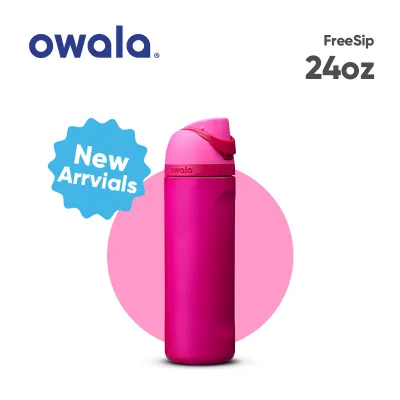
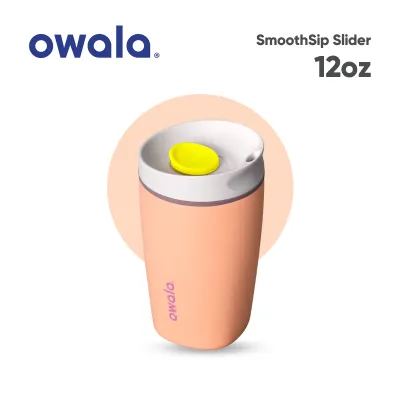
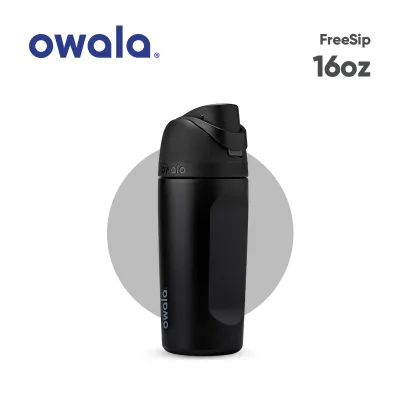
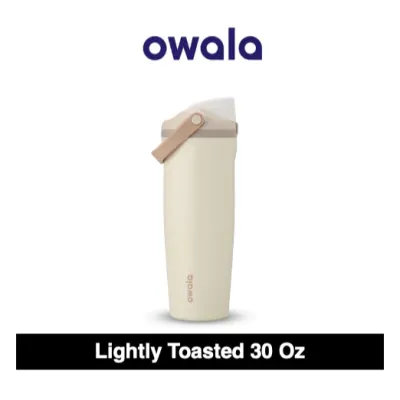
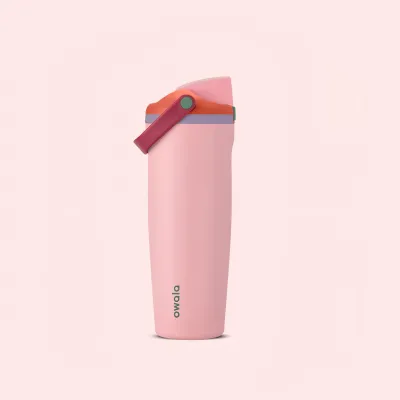
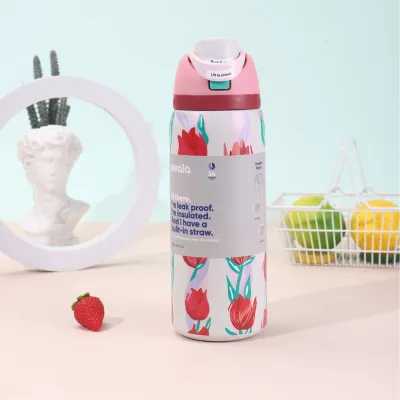
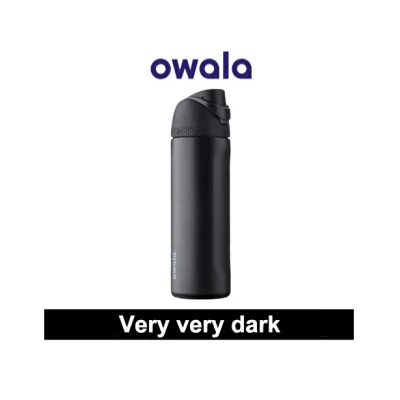
Prices are valid at publication and may change. Please refer to the product page for the latest price.
It is essential to recognize that physical laws dictate that insulation performance is directly tied to the bottle’s capacity and initial fill conditions. A larger volume of cold liquid possesses greater thermal mass, meaning a larger bottle will naturally resist temperature changes longer than a smaller bottle under identical external conditions. Furthermore, the ratio of liquid to air inside the container plays a critical role. Every time you open the bottle or drink through the spout, warm ambient air enters the chamber, accelerating the warming process. Maximizing the initial ice volume and keeping the bottle filled are key steps to optimizing the built-in insulation technology.
Comparing Temperature Retention Across Popular Sports Brands
When comparing Owala to other prominent sports bottle brands, the design of the lid is often the single most influential factor in real-world temperature retention. Many popular sports bottles utilize simple, solid screw-on caps that create a continuous, heavily insulated seal over the opening. In contrast, Owala’s signature FreeSip lid features an integrated straw and a dual-function spout that allows both sipping and swigging. While this design offers convenience during a fast-paced workout, the internal pathways, gaskets, and hinges required for a multi-functional lid can introduce minor points of thermal exchange. A solid, insulated flat cap will almost always retain ice longer than a complex lid with moving parts, making it crucial to weigh convenience against absolute thermal efficiency.

To make an objective comparison, consumers should look directly at the official cold-retention specifications printed on the product packaging rather than relying on broad marketing slogans. Manufacturers test their bottles under controlled laboratory conditions to establish these ratings, which typically range from 12 to 24 hours or more for cold liquids. When evaluating different brands side by side on the shelf of a sporting goods store or an online marketplace, check these specific hourly ratings for the exact volume you plan to purchase. Keep in mind that these ratings assume the bottle remains closed; frequent opening during a workout will inevitably reduce the actual duration of cold retention.
This highlights a fundamental trade-off in sports gear design: the balance between maximum thermal insulation and rapid hydration access. A heavy, double-walled bottle with a thick, insulated screw cap provides superior thermal performance for all-day outdoor excursions, but it requires you to stop, unscrew the lid with both hands, and tilt the bottle to drink. Conversely, a quick-access lid allows you to hydrate with one hand while keeping your eyes on the road or your feet on the treadmill. For most athletes, the slight loss in long-term ice retention is a reasonable compromise for a lid design that actively supports the flow of their workout.
Evaluating Owala for Different Workout Scenarios
Selecting the right bottle requires matching its physical attributes to your specific training environments. For high-intensity or long-duration outdoor training, such as long-distance running, cycling, or field sports in warm, humid climates like Singapore’s, your hydration needs are demanding. In these scenarios, you must verify whether the bottle’s cold retention can sustain refreshing temperatures throughout your entire session. If you are training under direct sunlight for several hours, a larger capacity bottle with a highly secure, dust-protected lid is vital to ensure your water remains palatable and free from outdoor debris.
For indoor gym sessions, the priorities shift toward portability, weight, and spatial convenience. A fully insulated stainless steel bottle is inherently heavier than a single-walled plastic or aluminum alternative. When filled to capacity, a large metal bottle can add significant weight to your gear. You should evaluate whether the bottle’s empty and full weight aligns with how you move around the gym. If you frequently transition between weight machines, treadmills, and stretching mats, a bottle with an integrated carry loop that folds away or fits easily into standard cup holders will greatly improve your workout flow.
Another critical factor is the reliability of the bottle’s seal when transported. Tossing a water bottle into a gym bag alongside clean clothes, towels, and sensitive electronics requires absolute confidence in its leak-proof capabilities. While many sports bottles claim to be leak-proof, this rating often applies only when the lid is fully tightened and locked. You should inspect the locking mechanism of the bottle—such as the push-button lock on the FreeSip lid—to ensure it cannot be accidentally triggered by other items shifting inside your bag. A secure, physical latch provides peace of mind during your daily commute to the fitness center.
Pre-Purchase Verification Checklist
Before finalizing your purchase on any ecommerce platform or at a local sporting goods retailer, use this practical checklist to ensure the bottle aligns with your specific athletic requirements:
- Verify Volume-Specific Specs: Do not assume all sizes perform equally. Check the product label to confirm the exact cold-retention hours specified for the precise fluid volume you are buying.
- Examine the Lid Seal: Inspect the silicone gaskets and locking latches. Ensure the lid is rated as fully leak-proof rather than merely splash-resistant, especially if you plan to carry it horizontally in a backpack.
- Measure Gym Equipment Compatibility: If you plan to use the bottle on stationary bikes, treadmills, or in your car's console, measure the base diameter of the bottle. Standard cup holders often accommodate bottles up to 3 inches in diameter, whereas larger models may require specialized holders or side-pocket storage.
- Assess Carrying Options: Look for a sturdy, integrated carry loop or handle. For active sports, a loop that can be clipped to a carabiner or held comfortably with one finger while carrying other gym gear is highly beneficial.
Frequently Asked Questions (FAQ)
Can I put hot liquids in an Owala FreeSip bottle?
No, you should not use hot liquids in an Owala FreeSip bottle. The unique straw and spout design is engineered specifically for cold beverages. Pouring hot liquids into a bottle with a straw mechanism can cause pressure to build up inside the sealed chamber. When you press the button to open the lid, this pressure can force hot liquid or steam to spray out rapidly through the spout, presenting a significant risk of burns. Always check the manufacturer’s explicit safety warnings on the packaging, which generally restrict the FreeSip model to cold liquids only.
Does the bottle exterior sweat when filled with ice water?
Under normal operating conditions, the exterior of a double-wall vacuum insulated bottle will not sweat. The vacuum insulation barrier prevents the cold temperature of the inner wall from transferring to the outer wall, keeping the exterior at ambient room temperature. However, you should verify the specific model’s exterior finish before buying. A high-quality powder coating provides an extra layer of texture that ensures a secure grip even if your hands are sweaty from a workout, preventing accidental drops on hard gym floors.

Community discussion
Share your experience or ask a question. Comments are reviewed before publication.