
When comparing the Owala Sway 24oz to other sports water bottles for insulation, an absolute winner cannot be declared without independent, controlled laboratory testing. However, you can determine which bottle best keeps your drinks cold during workouts by evaluating double-wall vacuum specifications, lid sealing mechanisms, and how these features align with your specific training environment. Choosing the right sports bottle involves looking past marketing claims and examining the physical construction of the container, the design of its lid, and how you plan to use it during physical activity. By understanding these variables, you can select a bottle that maintains your preferred water temperature throughout your entire training session.
Understanding Insulation Specs for Sports Bottles
To evaluate any sports bottle’s cold retention claims, you must first understand the physics of double-wall vacuum insulation. This technology relies on two stainless steel walls with a vacuum gap sealed between them. Because heat requires a medium to travel through via conduction or convection, the absence of air in the vacuum gap drastically slows down thermal transfer from the warm outside air to your cold beverage. The thickness of the steel walls and the quality of the vacuum seal during manufacturing directly dictate how effectively the bottle resists temperature changes over time.
While the double-wall body does the heavy lifting for thermal resistance, the lid is often the weakest link in any insulated bottle system. Lids are typically made of plastic, which has a higher thermal conductivity than a vacuum gap, and they require openings for drinking. Every time you open a lid, or if a lid has a complex straw or flip-top mechanism, warm air enters the bottle and cold air escapes. Screw caps generally offer the most secure thermal seal because they minimize air exposure and often feature thick, insulated plastic barriers, whereas straw and flip-top lids sacrifice some thermal efficiency for quick, one-handed access.
Products mentioned in this guide
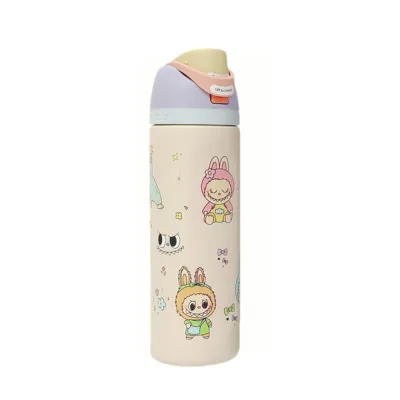
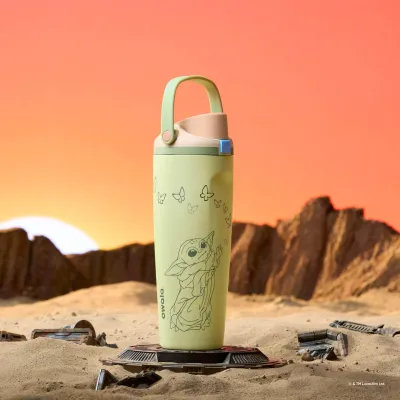
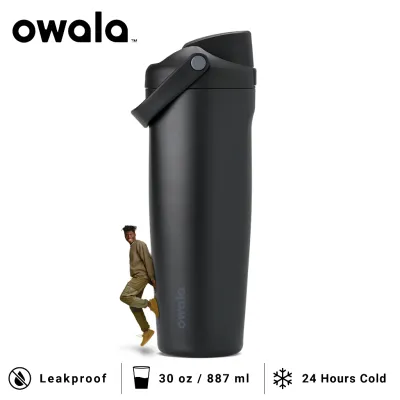
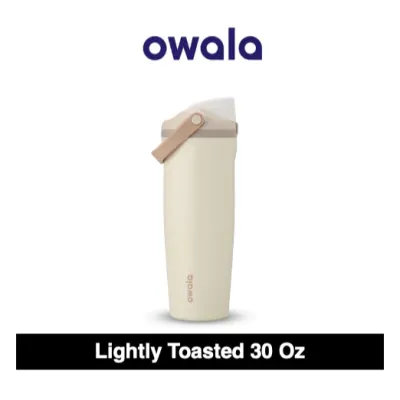
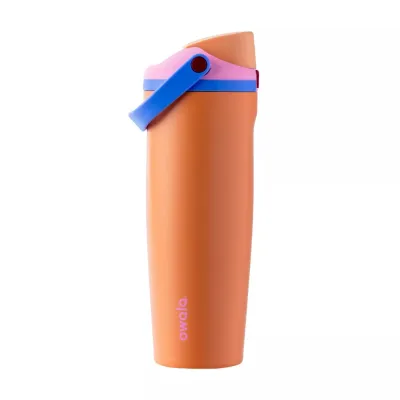
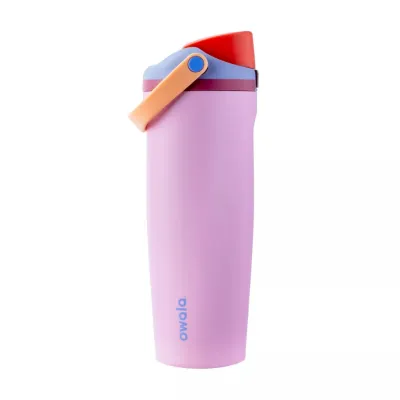
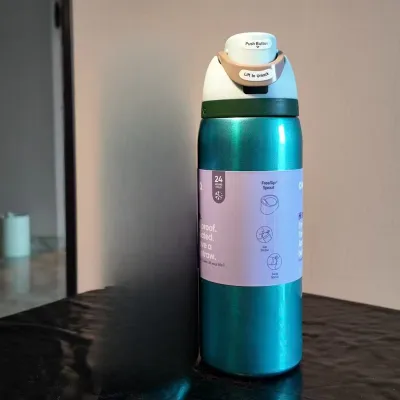
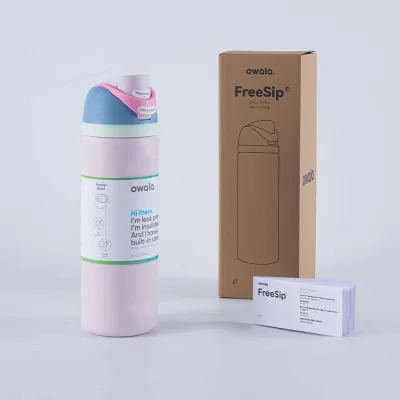
Prices are valid at publication and may change. Please refer to the product page for the latest price.
When shopping for a sports bottle, it is crucial to verify manufacturer specifications directly on the product labels or official user manuals rather than relying on third-party marketing summaries. Look for explicit mentions of “double-wall vacuum insulation” and “18/8 food-grade stainless steel,” which is the industry standard for durability and thermal performance. Be skeptical of vague marketing terms like “triple-insulated” or “extra-cold” unless the manufacturer provides a clear explanation of the physical layers involved. Checking the physical label ensures you are buying a bottle engineered with a true vacuum barrier rather than a simple double-walled air space.
Owala Sway 24oz: Design and Insulation Features
The Owala Sway 24oz features a distinct design that balances thermal performance with user convenience during workouts. Its lid and spout mechanism are engineered to minimize air exposure while still allowing for easy drinking. Unlike wide-mouth bottles that expose the entire volume of liquid to ambient air when opened, the Sway utilizes a targeted spout that limits the surface area of water exposed to the outside environment. This design helps reduce thermal leakage during quick sips, making it highly functional for active training sessions where you need to drink frequently without letting warm air flood the bottle.

The 24oz capacity of the Owala Sway also plays a significant role in its thermal dynamics. In physics, the surface-area-to-volume ratio determines how quickly a liquid absorbs heat from its surroundings. A 24oz bottle holds a moderate volume of liquid, which naturally retains its temperature better than smaller 12oz or 16oz alternatives because there is more thermal mass to resist temperature changes. For a typical one- to two-hour workout, this capacity provides an optimal balance, offering enough cold water to keep you hydrated without becoming excessively heavy or bulky to carry between gym stations.
Exterior finish is another practical consideration that affects both insulation and usability during sweaty workouts. The Owala Sway is designed with a powder-coated exterior that prevents condensation from forming on the outside of the bottle. Condensation is not just an annoyance; it is a sign of thermal transfer occurring through the bottle’s walls. A dry exterior indicates that the vacuum insulation is working correctly, keeping the cold inside where it belongs. Additionally, the textured powder coating provides a secure grip when your hands are sweaty, reducing the risk of drops that could dent the stainless steel and compromise the internal vacuum seal.
Comparing Insulation Across Major Sports Bottle Brands
When comparing the Owala Sway to other popular sports bottle brands, the primary differentiator is the lid design and its associated thermal trade-offs. Traditional wide-mouth bottles with simple screw caps often provide superior long-term cold retention because the lid contains fewer moving parts and can be packed with insulating material. However, unscrewing a lid during a high-intensity workout or while running on a treadmill is highly impractical. Owala’s drinking mechanisms are designed for rapid access, which introduces slightly more thermal exchange but significantly improves usability during active sports.
To make an objective comparison, you must cross-reference claimed cold-retention times with real-world variables. A manufacturer’s claim that a bottle keeps drinks cold for 24 hours is typically based on a closed bottle sitting in a temperature-controlled room without being opened. In a hot gym, on an outdoor running track, or inside a car parked in Singapore’s tropical climate, the ambient temperature is much higher, and frequent opening will rapidly accelerate ice melt. When comparing brands, look at how well the lid seals when closed and whether the drinking interface exposes the entire interior or just a small spout.
Weight and portability are also critical factors when comparing insulated bottles for sports. A fully loaded 24oz stainless steel bottle filled with ice and water can be surprisingly heavy. Some competing brands focus on ultra-lightweight steel, which reduces carrying fatigue but may result in thinner walls that are more susceptible to denting. A dented bottle can lose its vacuum insulation entirely if the inner and outer walls touch. When choosing between Owala and its competitors, consider whether you prioritize a slightly lighter bottle for running or a more robust, dent-resistant construction for rugged outdoor activities.
Choosing the Right Insulated Bottle for Your Workout
Selecting the ideal insulated bottle requires matching the bottle’s design to your specific training environment and hydration habits. If your workouts consist of high-intensity interval training (HIIT), cycling, or gym sessions where you only have a few seconds to drink, a bottle with a straw or quick-spout lid like the Owala Sway is highly advantageous. These designs allow for rapid, one-handed hydration without forcing you to tilt your head back or stop your momentum, even if they sacrifice a minor amount of long-term thermal efficiency compared to solid screw caps.
Conversely, if your primary activity involves multi-hour outdoor endurance events, hiking, or long days at the beach where maximum cold retention is the absolute priority, a traditional screw-cap or wide-mouth bottle may be more suitable. These bottles excel at keeping ice solid for extended periods because they lack the complex seals and air pathways found in quick-access lids. For these scenarios, the ability to pack the bottle with large ice cubes and seal it completely between infrequent uses outweighs the convenience of a quick-sip spout.
Before making a final purchase, always verify that the bottle’s physical dimensions are compatible with your existing sports gear. Check the base diameter of the Owala Sway 24oz against standard gym equipment cup holders, bicycle bottle cages, or the side pockets of your hydration pack. An insulated bottle that does not fit your gear is difficult to transport and more likely to be dropped, which can permanently damage the vacuum seal. Ensuring a proper fit guarantees that your cold water remains easily accessible throughout your entire workout routine.
Frequently Asked Questions (FAQ)
Does adding ice improve the Owala Sway's insulation performance?
Yes, adding ice significantly improves cold retention because ice acts as a concentrated thermal mass. When you fill a bottle with ice, the energy required to melt the ice (known as the latent heat of fusion) must be absorbed from the surrounding environment before the liquid water itself can begin to warm up. To maximize this effect, pre-chill your bottle with cold water for a few minutes before filling it, and aim for a high ice-to-liquid ratio to ensure your drink remains ice-cold throughout long workouts.
How should I clean the lid to maintain the bottle's seal and insulation?
Maintaining a clean lid is essential for preserving the airtight seal that prevents thermal leakage. Over time, dirt, sweat, and beverage residue can accumulate in the silicone gaskets and O-rings, causing tiny gaps that allow warm air to enter the bottle. Regularly inspect these silicone components for wear or damage, and follow the manufacturer’s disassembly instructions to clean hard-to-reach areas. Ensuring the lid is properly reassembled and tightly sealed after cleaning is crucial for maintaining optimal insulation performance.

Community discussion
Share your experience or ask a question. Comments are reviewed before publication.