
Selecting the right insulated sports water bottle requires balancing capacity, thermal performance, and portability. The Owala Sway 30oz has emerged as a popular contender for active users who transition between indoor gym sessions and outdoor trails. To determine how it compares to other leading insulated bottles, you must look beyond aesthetic appeal and evaluate how its physical dimensions, lid mechanics, and carrying features perform under real-world conditions.
In tropical climates like Singapore, where high humidity and heat accelerate hydration needs, a 30oz (approximately 887ml) bottle serves as a practical baseline for a standard workout or a short outdoor trek. However, the ideal bottle for your routine depends heavily on how you carry your gear, your preferred drinking style, and how easily you can maintain the bottle’s hygiene. This comparison breaks down the essential verification steps and design differences to help you choose the best fit for your active lifestyle.
Carry and Handling Designs for Gym and Trail
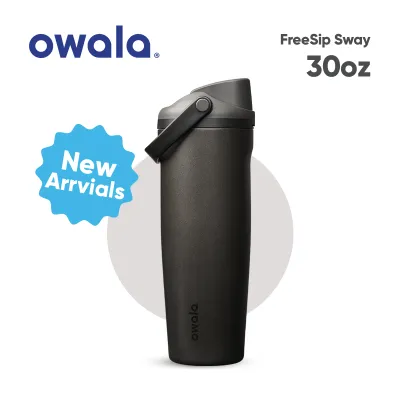
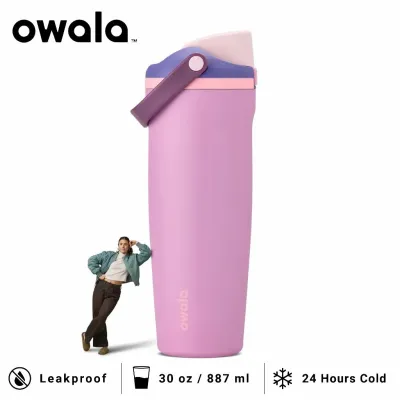
Portability is often the deciding factor when choosing between a bottle that stays tucked in a bag and one that is constantly in hand. The Owala Sway 30oz features a distinct profile and carry mechanism designed to streamline transport. Unlike traditional bottles that rely on rigid, external plastic loops or heavy metal handles, the Sway utilizes an integrated design that minimizes bulk. When comparing this to competitors, look closely at how the handle aligns with the bottle’s center of gravity; a well-balanced handle reduces wrist strain when carrying a fully filled 30oz vessel over long distances.
Products mentioned in this guide
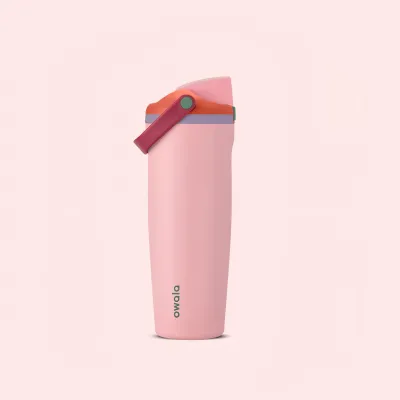
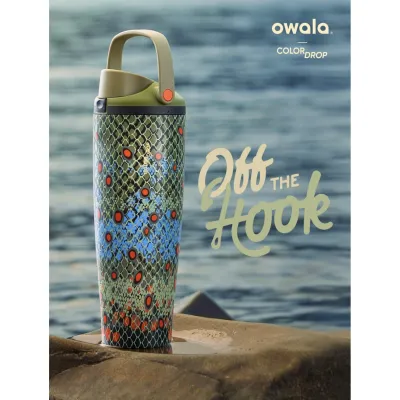
![SG [In Stock] Owala FreeSip Sway Stainless Steel Water Bottle with Straw BPA-Free for Exercise 30OZ](https://img.lazcdn.com/g/p/636297003e26a8ad4d69a339944d7f0c.png_400x400q80.png_.webp)
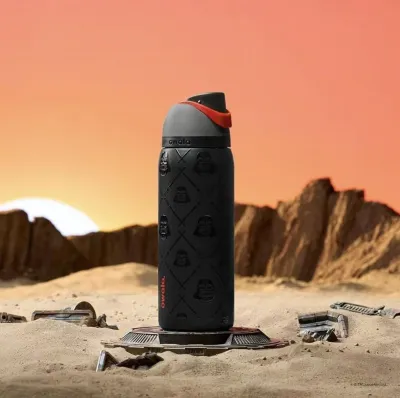
Prices are valid at publication and may change. Please refer to the product page for the latest price.
Fitment is another critical consideration for daily commuters and outdoor enthusiasts alike. A 30oz bottle holds a substantial volume of water, which typically requires a wider diameter. Before purchasing, measure the side pockets of your favorite gym backpack or the bottle holders on local fitness equipment, such as treadmills and stationary bikes. While some standard 30oz bottles feature a wide, straight-walled silhouette that may not fit into standard vehicle cup holders, others utilize a tapered base. Verifying these physical dimensions beforehand prevents the frustration of a bottle that constantly rolls around on the floor of a car or gym studio.
Grip ergonomics can make or break your experience during high-intensity training. When your hands are sweaty from weightlifting, climbing, or humid outdoor hiking, a slick exterior can easily lead to accidental drops. Examine the surface texture of the bottle you are considering. Many sports bottles feature powder-coated finishes that provide a tactile, non-slip grip even when wet. If you prefer a smooth or painted finish, check if the manufacturer offers compatible silicone sleeves or boots, which can significantly improve handling security and protect the base from impact.
Verifying Insulation Specs and Lid Mechanisms
To ensure your water remains cold during outdoor activities, you must verify the insulation technology used in the bottle’s construction. Do not rely solely on marketing buzzwords like “all-day cold” or “extreme thermal retention.” Instead, inspect the product specifications for explicit mention of double-wall vacuum insulation. This technology works by creating a vacuum gap between two layers of stainless steel, preventing heat transfer by conduction or convection. In warm environments, this barrier is essential for keeping ice from melting rapidly and maintaining a refreshing water temperature.

The lid mechanism plays a dual role in thermal efficiency and user convenience. Sports bottles generally fall into three categories: straw lids, flip-tops, and screw caps. Straw lids allow for quick, one-handed sipping without tilting your head, making them highly convenient during active gym sets or while cycling. However, they often contain more moving parts and internal air pathways, which can slightly reduce overall insulation efficiency compared to a solid, insulated screw cap. Screw caps offer the most secure thermal seal but require two hands to open, which may interrupt your momentum during a workout.
It is important to remember that actual temperature retention is highly variable and depends on several external factors. The ambient temperature of your environment, the initial temperature of the liquid you pour inside, and how often you open the lid all affect how long your drink stays cold. If you frequently open your bottle to refill it or take quick sips, warm air enters the chamber, accelerating the warming process. For optimal performance, pre-chill your bottle with ice water for a few minutes before filling it with your actual beverage.
Leak Resistance and Durability Checks
A leaking water bottle can quickly ruin expensive electronics, gym gear, or dry clothing inside your backpack. When evaluating the Owala Sway 30oz against other sports bottles, pay close attention to the locking mechanisms and sealing gaskets. High-quality sports bottles typically feature a secondary lock or a secure latch that prevents the lid from popping open accidentally when jostled inside a crowded bag. Inspect the silicone gaskets inside the lid; they should be thick, pliable, and seated firmly in their grooves to create an airtight seal.
Durability is equally vital for gear that is regularly exposed to hard gym floors, outdoor rocks, and concrete paths. Stainless steel bottles are inherently robust, but the thickness of the steel and the quality of the exterior coating vary. Check product descriptions for food-grade 18/8 stainless steel, which offers excellent resistance to rust and punctures. If you plan to use your bottle on rugged outdoor trails, look for models that feature a reinforced base or compatibility with protective silicone boots. These boots absorb the shock of drops and prevent the bottom of the bottle from denting, which can compromise the vacuum seal.
Maintaining leak-proof performance requires regular inspection and thorough cleaning of all sealing components. Over time, dirt, sweat, and drink residues can accumulate in the crevices of silicone gaskets, causing them to degrade or lose their seal. When comparing bottles, consider how easy it is to remove and clean these gaskets. Lids with complex, multi-piece mechanisms may require specialized cleaning brushes to reach every corner, whereas simpler screw-on lids are much easier to keep hygienic and functional over years of use.
Evaluating 30oz Capacity and Weight Trade-offs
Choosing a 30oz capacity involves a direct trade-off between hydration volume and carrying weight. A volume of 30oz (approximately 887ml) is widely considered a sweet spot for active individuals. It provides enough water to sustain a rigorous gym session or a moderate outdoor hike without requiring constant trips to a water cooler or filtration station. However, if your activities involve long-distance running or ultralight backpacking where every gram counts, a fully filled 30oz stainless steel bottle can feel heavy and cumbersome.
To make an informed decision, compare the empty weight of the Owala Sway 30oz with alternative materials and sizes. Vacuum-insulated stainless steel is significantly heavier than single-wall plastic or aluminum bottles. If your primary goal is to minimize pack weight on long treks, you might opt for a lighter, non-insulated bottle, accepting that your water will reach ambient temperature quickly. Conversely, if maintaining a cold beverage is your top priority, the added weight of an insulated steel bottle is a necessary trade-off.
For those who carefully track their daily fluid intake, the presence of volume markers is a highly useful feature. Some sports bottles include embossed or printed ounce and milliliter markings on the interior or exterior walls. Because vacuum-insulated bottles are opaque, external markers are typically only useful if you can see down into the bottle while filling it, or if the bottle features a translucent lid window. If precise hydration tracking is essential for your training regimen, verify how clearly these markers are displayed before making your final selection.
Decision Framework: Which Bottle Fits Your Routine?
To finalize your choice, map your daily habits and physical constraints against the specific features of the bottles you are comparing. The Owala Sway 30oz is an excellent match if you prioritize a sleek, modern design with an integrated carry system that fits comfortably in hand and slides easily into standard backpack sleeves. Its lid design is tailored for those who prefer quick, convenient access to water during active intervals without dealing with bulky external handles.
On the other hand, you may want to look at alternative insulated sports bottles if your routine demands highly specialized features. For instance, if you regularly add large ice cubes to your drinks, a bottle with an extra-wide mouth will make filling and cleaning much easier. Similarly, if you engage in rugged outdoor activities like rock climbing or kayaking, you might require a bottle with a heavy-duty, carabiner-compatible loop or a highly ruggedized exterior that can withstand severe impacts without denting.
Finally, always verify your physical constraints before committing to a purchase. Check the exact dimensions of your gym bag’s side pockets, your car’s cup holders, and even the bottle cages on your bicycle. If you have strict size limits, a slightly smaller 24oz bottle or a differently shaped 32oz bottle might offer a more secure fit. By matching your specific hydration volume, carrying preferences, and physical environment to the right bottle design, you can ensure your gear supports rather than hinders your active lifestyle.
Frequently Asked Questions (FAQ)
Is the Owala Sway 30oz dishwasher safe?
When cleaning your insulated bottle, always refer to the manufacturer’s official care guidelines to avoid damaging the components. While some stainless steel bottle bodies are labeled as dishwasher safe, many painted or powder-coated finishes can chip, fade, or peel when exposed to the intense heat and harsh detergents of a dishwasher cycle. Furthermore, the high temperatures in a dishwasher can degrade the silicone gaskets in the lid or, in rare cases, compromise the vacuum seal that keeps your drinks cold. To prolong the lifespan of your bottle and maintain its thermal performance, hand washing with warm, soapy water and a bottle brush is highly recommended.
Can I put hot liquids in an insulated sports bottle with a straw lid?
Using a straw lid or a rapid-flow flip-top with hot liquids poses a significant safety hazard. Drinking hot beverages through a straw bypasses the lips’ natural temperature-sensing ability, directing hot liquid straight to the back of the throat and increasing the risk of severe burns. Additionally, hot liquids can cause steam pressure to build up inside an airtight insulated bottle, which may cause hot liquid to spray out unexpectedly when you open the spout. If you plan to carry hot tea or coffee, verify the manufacturer’s maximum temperature rating for the bottle body and switch to a specialized, insulated screw-on lid designed specifically for hot beverages.

Community discussion
Share your experience or ask a question. Comments are reviewed before publication.