
Choosing between Owala and Hydro Flask for workouts in a hot climate depends on how you hydrate during exercise, your preferred lid mechanism, and how you carry your gear. Since exact cold-retention hours vary by bottle size, color, and specific cap design, this guide focuses on verifiable manufacturer specifications, structural differences, and practical usability to help you decide which insulated sports bottle best fits your routine.
Singapore’s tropical climate presents a unique challenge for fitness enthusiasts. With year-round high temperatures and humidity levels that often exceed 80 percent, staying hydrated during a workout is not just about comfort—it is a critical safety measure. Whether you are running along the park connector network or training inside a local gym, having access to cold water helps regulate your core body temperature and sustain your performance.
This need for reliable cold retention has made premium insulated water bottles a staple in many gym bags. Among the most popular choices are Owala and Hydro Flask. Both brands have earned strong reputations for their design and thermal performance, but deciding which one is the better companion for your workouts requires looking beyond brand popularity to examine how their specific designs perform under active conditions.
Products mentioned in this guide
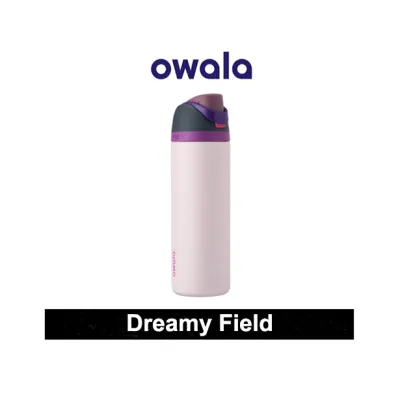
![SG🔥 [100% Authentic] Owala FreeSip Stainless-Steel Insulated Water Bottle Locking Push-Button Lid Owala Water Bottle](https://img.lazcdn.com/g/p/165df10f39613016431037b08350193c.jpg_400x400q80.jpg_.webp)
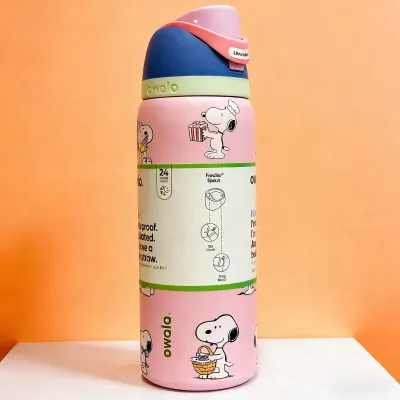
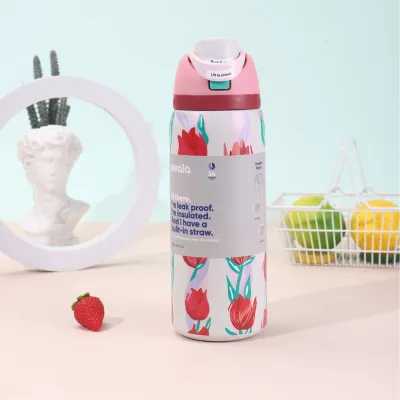
![ready stock Original [100% Authentic]Owala FreeSip Black Cherry Water Bottle 24oz/32oz Leak-Proof with Built-in StrawBPA-Free for Sports](https://img.lazcdn.com/g/p/462188609a2721f45617e5d3efc8e98c.jpg_webp_400x400q80.jpg_.webp)
![[100% Authentic]Owala FreeSip Twist Water Bottle 24oz/32oz Leak-Proof with Built-in StrawBPA-Free](https://img.lazcdn.com/g/p/febe634abce13bd2c9c33b42436a85d3.jpg_webp_400x400q80.jpg_.webp)
Prices are valid at publication and may change. Please refer to the product page for the latest price.
The right choice depends heavily on your specific hydration habits, how you prefer to drink during high-intensity movement, and how you transport your gear. By analyzing the insulation technology, lid mechanisms, build quality, and practical usability of both brands, you can make an informed decision tailored to your fitness routine.
Insulation Performance in a Hot Climate
Both Owala and Hydro Flask utilize double-wall vacuum insulation. This design features an inner and outer wall of stainless steel with a vacuum sealed between them. Because heat requires a medium to travel through via conduction or convection, the vacuum layer acts as a highly effective barrier, preventing the ambient tropical heat from warming your beverage.
While the core insulation technology is similar, real-world cold retention is influenced by external factors. Manufacturers typically provide cold-retention ratings on their product packaging or official websites, often stating that bottles can keep drinks cold for up to 24 hours or more. In the intense heat of an outdoor track or a sunny fitness corner, actual performance will depend on how often the bottle is opened and the initial temperature of the liquid.
The size of the bottle’s opening also impacts thermal efficiency. A wider mouth allows you to easily fill the bottle with large ice cubes to keep water cold. However, a wider opening exposes a larger surface area of cold water to warm air every time you open the lid. If you frequently open your bottle during a long workout, a model with a smaller drinking spout may retain cold slightly better by minimizing this air exchange.
Exterior aesthetics also have a practical impact when training outdoors. Darker colors absorb more radiant heat from direct sunlight. If your bottle sits on an outdoor bench during a midday workout, a dark exterior can become hot to the touch, gradually transferring heat inward. Opting for lighter colors, pastel shades, or a natural stainless steel finish can help reflect solar radiation.
To ensure your bottle’s insulation is functioning correctly, perform a simple tactile check. When filled with ice water, the exterior of a properly functioning vacuum-insulated bottle should remain at room temperature. If you notice condensation forming on the outside of the steel body, or if the exterior feels cold, it indicates that the vacuum seal has been compromised.
Lid Mechanisms and Hydration Usability
The way you access your water during a workout is just as important as how cold it stays. A bottle that requires two hands to unscrew a cap might be inconvenient when you are in the middle of a cycling session or holding a dumbbell. This is where the design of the lid mechanism becomes a primary differentiator between Owala and Hydro Flask.

Owala’s FreeSip lid is highly regarded for its innovative dual-spout design. This patented mechanism integrates a built-in straw and a wide-mouth opening into a single mouthpiece. You can hold the bottle vertically and sip through the straw for controlled hydration, or tilt the bottle back to swig from the larger opening when you need a rapid flow of water. This versatility is particularly useful during high-intensity interval training (HIIT) or treadmill runs, where you want to drink quickly without blocking your line of sight.
Hydro Flask takes a modular approach, offering several interchangeable lid options to suit different activities. Their Flex Straw Cap features a durable, folding rubber straw that allows for upright sipping, making it a popular choice for steady-state cardio. For those who prefer a faster flow, the Chug Cap provides a narrow, threaded spout that is easy to drink from while moving. They also offer the classic insulated Flex Cap, which is a simple screw-on lid with a flexible strap, ideal for maximum temperature retention and leak-proof security during transport.
Leak prevention is a critical consideration when tossing an insulated bottle into a gym bag alongside clean clothes and electronics. Owala addresses this with a spring-loaded, push-button lid that pops open with a single press. To prevent accidental openings, the lid includes a metal carry loop that folds up over the button to lock it securely in place. This physical lock provides peace of mind when the bottle is jostled inside a backpack.
Hydro Flask’s lids rely primarily on threaded closures or tight-fitting friction seals. The classic Flex Cap and Chug Cap screw down tightly onto the bottle’s neck, creating a highly reliable, leak-proof seal when properly aligned. The Flex Straw Cap is also designed to be leak-resistant when the straw is folded completely flat. However, users should regularly inspect the silicone gaskets inside these lids, as any misalignment, wear, or debris can lead to slow leaks under pressure.
Hygiene and ease of cleaning are also vital, especially in warm, humid environments which encourage mold growth. Lids with complex mechanisms, internal straws, or deep crevices require diligent maintenance. The Owala FreeSip lid and Hydro Flask Flex Straw Cap both contain internal silicone parts and straws that should be disassembled and cleaned regularly using specialized small brushes. Ensuring these components dry completely after washing is essential to prevent musty odors and maintain clean drinking water.
Build Quality, Weight, and Gym Bag Fit
Durability is a key factor for any sports accessory. Both Owala and Hydro Flask construct their bottles using high-quality, food-grade 18/8 stainless steel. This material is chosen for its strength, resistance to rust, and ability to prevent flavor retention, ensuring your water tastes fresh without any metallic aftertaste.
Despite the strength of stainless steel, these bottles are not indestructible. A hard drop onto a concrete running path, outdoor court, or gym floor can result in cosmetic scratches or structural dents. While minor scratches only affect the appearance, a severe dent can occasionally damage the internal vacuum seal, rendering the insulation ineffective. To protect the base of your bottle from impact and wear, many users opt to purchase protective silicone boots, which also provide a non-slip grip on smooth surfaces.
The exterior finish of both brands features a textured powder coating. This coating is designed to provide a secure grip, even when your hands are sweaty from a workout. Hydro Flask’s powder coat is known for its durable, matte texture, while Owala offers a smooth yet grippy finish in a wide array of color combinations. Over years of heavy use, these coatings can chip or wear around the edges, particularly if the bottle is frequently slid into tight metal bottle cages or rubbed against keys in a bag.
Empty weight is another practical consideration, especially if you commute via public transport or run with your bottle. Because double-wall steel bottles contain two layers of metal and a solid lid mechanism, they are significantly heavier than single-wall plastic or aluminum bottles. For example, a 32-ounce insulated bottle can weigh close to half a kilogram when empty, and over one and a half kilograms when filled with water. If minimizing carry weight is your priority, you may want to opt for smaller sizes or look for lightweight product lines offered by the manufacturers.
Before purchasing, it is highly recommended to measure your existing gear to ensure a proper fit. Standard bicycle bottle cages, car cup holders, and treadmill consoles are typically designed for bottles with a base diameter of 3 inches (about 7.6 centimeters) or less. Many larger-capacity insulated bottles (such as 32-ounce or 40-ounce models) have wider bases that will not fit into these standard holders. Checking the physical dimensions of the bottle’s base against your equipment prevents the frustration of a bottle that rolls around on the gym floor because it cannot be secured.
Final Verdict: Matching the Bottle to Your Workout
Selecting the ideal insulated bottle comes down to your specific workout environment and personal habits. There is no universal option that suits every athlete, so matching the bottle’s features to your routine is key.
Consider Owala if your workouts involve quick transitions where one-handed operation is a major benefit. The push-button lid and built-in straw make it easy to hydrate without tilting your head back, which is ideal for cycling on stationary bikes or working out on gym machines.
Opt for Hydro Flask if you prefer a highly customizable setup with interchangeable lids and require a rugged bottle for outdoor adventures. Its wide range of sizes and durable carry straps make it well-suited for hiking, outdoor boot camps, or sports where you need a larger volume of water.
Regardless of the brand you choose, always verify the physical dimensions of the bottle against your gym gear, backpack pockets, or vehicle cup holders. Ensuring a proper fit beforehand prevents the inconvenience of a bottle that is too bulky to carry easily.
Frequently Asked Questions (FAQ)
Are Owala and Hydro Flask bottles dishwasher safe?
To preserve the integrity of your insulated bottle, always consult the manufacturer’s specific care instructions, as guidelines can vary by model and finish. While many modern lids and certain powder-coated bottles are labeled as dishwasher safe, hand washing remains the safest method to extend the lifespan of your gear. The high heat, intense water pressure, and harsh chemicals used in household dishwashers can potentially damage the vacuum seal over time or cause the exterior powder coating to discolor and peel. For best results, wash the bottle body by hand with warm, soapy water and a bottle brush, and disassemble lid components to clean them thoroughly.
Can I put hot drinks in these insulated sports bottles?
Although the double-wall stainless steel construction of both brands is fully capable of insulating hot liquids, the lids designed for sports and active use are often not safe for hot beverages. Lids featuring built-in straws, flip-top spouts, or push-button pop caps can trap steam, leading to pressure buildup inside the bottle. When you open the lid, this pressure can cause hot liquid or steam to spray out unexpectedly, presenting a serious risk of burns. Additionally, drinking hot liquids through a straw can easily scald your mouth. If you plan to carry hot coffee or tea, always swap your sports lid for a lid specifically rated by the manufacturer for hot liquids, such as a standard screw-on cap or a dedicated hot-beverage lid.

Community discussion
Share your experience or ask a question. Comments are reviewed before publication.