
When you are mid-workout, nothing is more refreshing than a draft of ice-cold water. Choosing between top-tier insulated bottles like Owala, Hydro Flask, and Yeti often comes down to how well they maintain that crisp temperature while you train. While all three brands utilize double-wall vacuum insulation to block heat transfer, the actual temperature of your drink at the end of a session depends heavily on how you use the bottle, the lid style you choose, and the environment where you exercise.
Rather than a single bottle reigning supreme in every scenario, the best choice depends on your specific workout habits. A bottle that excels during a high-intensity indoor spin class might not be the most practical option for a rugged outdoor trail run. Understanding the mechanics of thermal retention and lid design will help you select the container that keeps your water coldest when you need it most.
What Actually Keeps Your Drink Cold During a Workout?
To understand why one bottle might feel colder than another during a workout, it helps to look at the science of double-wall vacuum insulation. These bottles are constructed with an inner and outer metal wall, usually made of food-grade stainless steel, with the air sucked out of the space between them. Because a vacuum contains no air molecules, it prevents heat from transferring via conduction or convection. The only way heat can easily enter the bottle is through radiation or through the non-vacuum-insulated areas, such as the neck and the lid.
Products mentioned in this guide
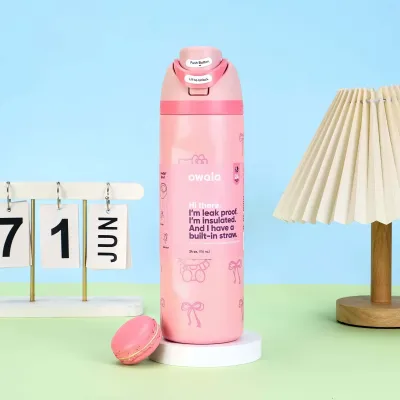
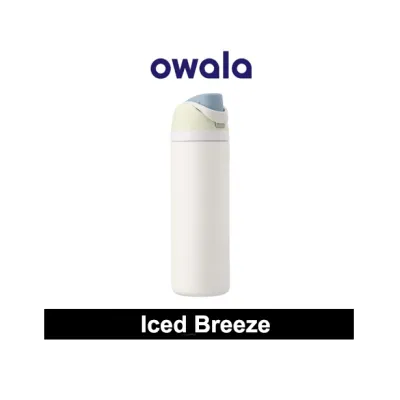
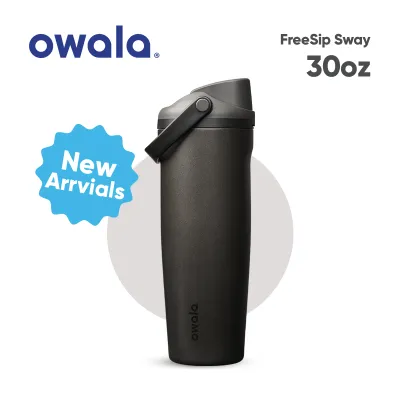
![SG🔥 [100% Authentic] Owala FreeSip Stainless-Steel Insulated Water Bottle Locking Push-Button Lid Owala Water Bottle](https://img.lazcdn.com/g/p/952fb99162ba7971dfe1873b2e547737.jpg_400x400q80.jpg_.webp)

Prices are valid at publication and may change. Please refer to the product page for the latest price.
The thickness of the steel walls and the quality of the vacuum seal play a major role in how slowly heat transfers. Thicker walls can provide more structural integrity, preventing minor dents that might compromise the vacuum seal over time. However, the most significant point of thermal vulnerability in any insulated bottle is not the metal body, but the lid. Lids are typically made of plastic and silicone, which do not insulate as effectively as a double-walled vacuum.
Every time you open your bottle to take a sip, you introduce warm ambient air into the container. In warm, humid climates, such as during an outdoor workout in Singapore, this air exchange rapidly accelerates the melting of ice. Direct sunlight hitting the bottle also warms the exterior surface, forcing the insulation to work harder. Therefore, the frequency of your sips and the design of the drinking spout are often more critical to real-world cold retention than the theoretical performance of the vacuum seal alone.
Comparing Lid Designs: Owala, Hydro Flask, and Yeti
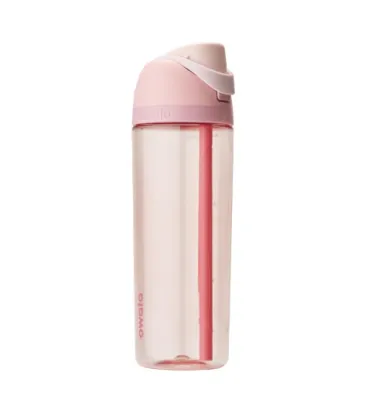
The drinking mechanism you choose directly impacts both your hydration flow and how long your beverage stays cold. The Owala FreeSip lid features a unique dual-opening design that allows you to either sip upright through a built-in straw or tilt the bottle back to swig from a wider spout. This lid is completely covered by a push-button cap that seals tightly when closed. Because the straw and spout are fully enclosed when the cap is snapped shut, it minimizes exposure to the outside air, helping to preserve the internal temperature during transport. The secure latch also prevents accidental spills when tossed into a gym bag.

Hydro Flask offers several lid configurations, with the Flex Straw and the classic Wide Mouth cap being the most popular for fitness enthusiasts. The Flex Straw lid provides convenient, one-handed sipping, which is ideal during cycling or treadmill sessions. However, straw lids generally introduce more points of potential air leakage compared to solid, insulated caps. The pivoting joint of a straw lid can allow minor heat exchange even when closed. If maximum cold retention is your primary goal, swapping the straw lid for a solid, insulated wide-mouth cap can help block heat transfer, though it requires two hands to unscrew during a workout.
Yeti Rambler bottles are renowned for their heavy-duty lid options, particularly the Chug Cap and the Rambler Straw Cap. The Chug Cap features a two-part design: a wide spout for rapid drinking and a robust, insulated cover that screws down tightly over it. This double-threaded design provides an exceptionally secure seal, making it highly resistant to leaks and thermal loss. The straw cap option offers quick access but, like other straw designs, sacrifices a small amount of insulation efficiency for convenience. Yeti’s lids are built with thick, durable plastics and heavy silicone gaskets designed to withstand rugged outdoor use.
Over months of regular use, the complexity of a lid affects its long-term performance. Lids with intricate mechanisms, multiple moving parts, or deep crevices can accumulate moisture and dirt if not cleaned thoroughly. Furthermore, silicone gaskets can degrade, stretch, or lose their elasticity over time due to friction and exposure to cleaning agents. When a gasket degrades, it allows microscopic gaps to form, leading to slow leaks and faster ice melt. Regularly inspecting and replacing these seals is essential for maintaining peak thermal performance.
How to Verify Insulation Claims Before You Buy
When shopping for a sports bottle, you will encounter various marketing claims promising cold retention for 12, 24, or even 36 hours. To make an informed purchase, it is important to look past the bold numbers on the packaging and verify how these claims are established. Manufacturers typically conduct insulation tests under highly controlled laboratory conditions. These tests often involve filling the bottle to capacity with a specific ratio of ice to water, sealing it with a solid insulated cap, and leaving it undisturbed in a temperature-controlled room.
In the real world, your workout environment is rarely so predictable. If you are training in a humid fitness center or running outdoors under direct sunlight, the external heat load is significantly higher than in a lab. Furthermore, the act of opening the bottle every ten minutes to drink introduces warm air and disrupts the thermal barrier. To get a realistic estimate of performance, check the manufacturer’s product specifications for the specific lid type you plan to use, as straw lids or flip caps often carry lower cold-retention ratings than solid screw caps.
Before buying, verify the materials used in the bottle’s construction. Look for high-grade 18/8 stainless steel, which is the industry standard for durability and taste purity. You should also check if the manufacturer offers replacement parts, particularly gaskets and lids. A bottle with a lifetime warranty or readily available replacement seals is a safer investment, as it ensures you can restore the bottle’s thermal integrity if a component wears out, rather than having to purchase an entirely new container.
Which Bottle Should You Choose for Your Workouts?
Selecting the right bottle comes down to matching its design strengths with your personal exercise routine and carrying preferences. If your workouts primarily take place in a gym, yoga studio, or during a daily commute, the Owala FreeSip is an excellent candidate. Its one-handed, push-button operation allows you to take quick sips between sets without interrupting your rhythm. The integrated carry loop makes it easy to hook onto a finger or a bag strap, and the fully covered mouthpiece keeps dirt and gym grime away from where you drink.
For those who engage in a variety of activities, from indoor fitness classes to long outdoor hikes, Hydro Flask offers exceptional versatility. Its interchangeable lid system allows you to switch from a straw lid for easy gym sipping to an insulated flat cap for maximum thermal protection on hot outdoor trails. Hydro Flask bottles also tend to have a slightly slimmer, lighter profile compared to other heavy-duty options, making them easier to carry over long distances or slip into the side pockets of a backpack.
If your fitness routine involves rugged outdoor environments, trail running, or sports where your gear is likely to get dropped, kicked, or exposed to rough surfaces, the Yeti Rambler is built to endure. Its thick steel construction and robust powder coating resist denting and scratching better than lighter bottles. The dishwasher-safe design of both the bottle and its lids simplifies cleanup after a muddy outdoor session. The secure, heavy-duty seals ensure that even if the bottle rolls around in the back of a vehicle, it will not leak or lose its cold temperature.
Before making your final decision, always verify the physical dimensions of the bottle size you want. A larger 32-ounce or 40-ounce bottle holds more cold water for long sessions, but its wider base may not fit into standard car cup holders, treadmill console slots, or bicycle bottle cages. Measure the diameter of your gym bag’s side pockets or your vehicle’s cup holders and compare them against the manufacturer’s listed dimensions to ensure a seamless fit for your daily routine.
Frequently Asked Questions (FAQ)
Does adding more ice actually keep the water colder for longer?
Yes, increasing the ratio of ice to water directly extends the duration of cold retention. Ice absorbs a significant amount of heat as it transitions from a solid to a liquid state, a process known as latent heat of fusion. By filling your bottle with more ice, you increase the thermal mass inside, allowing the beverage to remain at near-freezing temperatures for a longer period. However, the physical capacity of your bottle limits how much water you can add alongside the ice. For high-intensity workouts where you need a high volume of hydration, you must balance the ice-to-water ratio so you do not run out of drinkable liquid before your session ends.
Can I put these insulated bottles in the dishwasher?
Whether you can wash your bottle in the dishwasher depends on the specific manufacturer’s guidelines for that model. While some modern insulated bottles, such as many Yeti Rambler models, are fully dishwasher-safe, others may require hand washing to protect their exterior finishes and vacuum seals. High dishwasher temperatures and harsh detergents can degrade silicone gaskets, warp plastic lid components, and cause exterior powder coatings to peel or discolor over time. To preserve the vacuum seal and prevent leaks, always check the care instructions printed on the bottom of the bottle or the manufacturer’s website before placing any insulated container in the dishwasher.

Community discussion
Share your experience or ask a question. Comments are reviewed before publication.