
While Owala, Hydro Flask, and Yeti all utilize double-wall vacuum insulation, no single brand universally outperforms the others in every scenario. Instead, real-world cold retention depends heavily on how you use the bottle, the lid design, and environmental factors like ambient heat and direct sunlight. Choosing the right bottle requires looking beyond manufacturer temperature claims and evaluating how each brand’s physical design matches your specific workout environment.
When you are training in warm climates, such as during an outdoor run or a high-intensity session in a local fitness studio, your hydration needs are dynamic. A bottle that sits sealed in a gym bag will retain ice much longer than one opened every few minutes on a hot outdoor track. Therefore, understanding the relationship between insulation mechanics and usability is the first step toward making an informed purchase.
Understanding Vacuum Insulation and Real-World Cold Retention
Double-wall vacuum insulation is the standard technology used by premium brands to keep beverages cold. The construction involves two walls of stainless steel with a vacuum sealed between them. Because a vacuum contains no air molecules, it prevents heat transfer by conduction and convection. This means the ambient temperature outside the bottle cannot easily warm the liquid inside. However, while the physics of the vacuum remain consistent across brands, real-world performance is highly variable.
Products mentioned in this guide
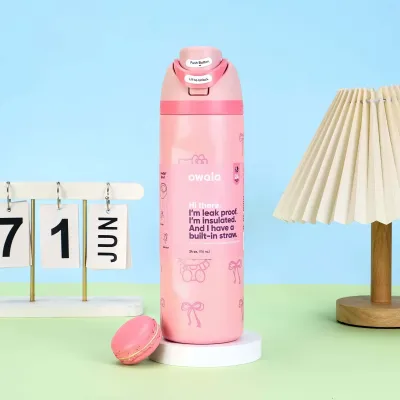
![SG🔥[100% Authentic]30oz Owala FreeSip Sway Stainless Steel Water Bottle with Straw BPA-Free Sports Water Bottle](https://img.lazcdn.com/g/p/fb343eec37de2d2a317396095299f6a7.jpg_400x400q80.jpg_.webp)
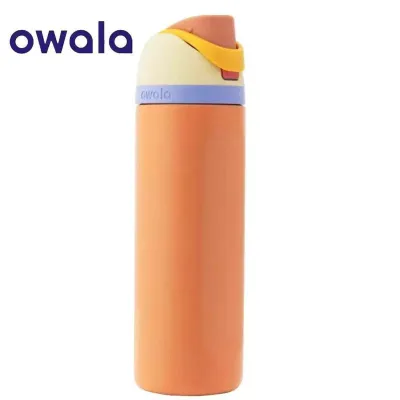
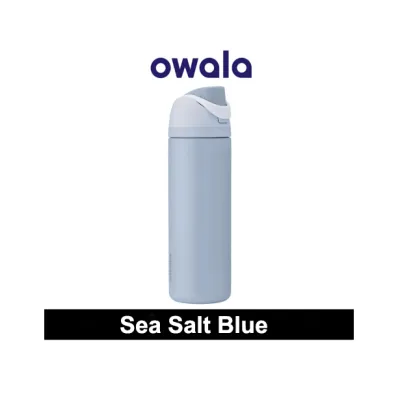
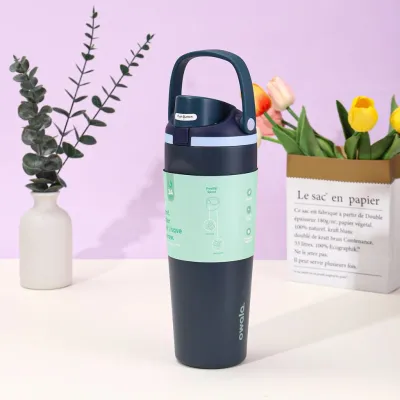
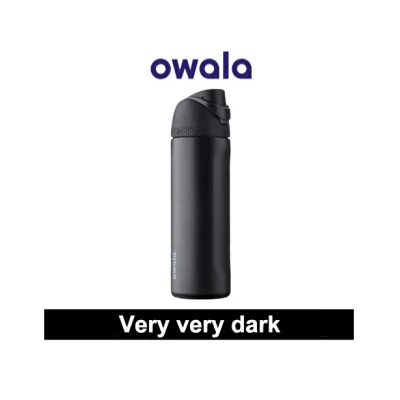
![SG🔥 [100% Authentic] Owala FreeSip Stainless-Steel Insulated Water Bottle Locking Push-Button Lid Owala Water Bottle](https://img.lazcdn.com/g/p/ea0ae51ec271e8b906dc11de8d443834.jpg_400x400q80.jpg_.webp)
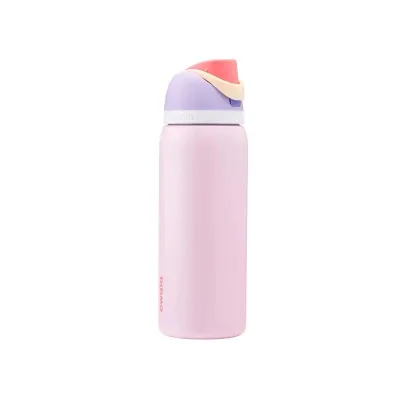
Prices are valid at publication and may change. Please refer to the product page for the latest price.
Several active factors degrade cold retention during exercise. Every time you open the lid to take a drink, warm air enters the bottle, and cool air escapes. In high-humidity or high-temperature environments, this air exchange rapidly accelerates ice melt. Direct sunlight exposure also heats the exterior metal and lid assembly, transferring warmth through the non-insulated parts of the bottle, such as the plastic cap or the neck. Additionally, the initial ice-to-water ratio plays a critical role; a bottle filled mostly with water and only a few ice cubes will warm up much faster than one packed with ice.
Manufacturer claims regarding temperature retention—often stated as keeping drinks cold for “up to 24 hours” or longer—are typically based on static laboratory tests. In these tests, bottles are filled with ice water, sealed, and left undisturbed in temperature-controlled rooms. These ratings represent maximum thresholds under ideal conditions rather than guaranteed performance during an active workout. For a realistic assessment, you must consider how the bottle’s lid design and your usage patterns will affect the vacuum seal throughout the day.
Owala vs Hydro Flask vs Yeti: Design and Usability Comparison
The lid mechanism is the most critical interface on any sports water bottle, directly impacting both thermal efficiency and usability. Owala is highly regarded for its FreeSip lid, which features a unique dual-spout design. This allows you to either sip upright through a built-in straw or tilt the bottle back to swig through a wider opening. The lid is spring-loaded and opens with a simple button press, making it highly convenient for quick, one-handed access during quick breaks. A metal carry loop doubles as a lock to prevent accidental openings in your bag.

Hydro Flask offers a variety of lid options, with the Flex Straw Cap and the Standard Mouth Flex Cap being the most popular for sports. The Flex Straw Cap provides a reliable flow rate and is easy to carry via its flexible strap, though it requires manual flipping to open. While highly functional, the multi-piece straw lid can be slightly more prone to minor leaks if not fully closed, and it lacks the integrated locking shield found on the Owala lid. However, Hydro Flask’s wide-mouth design allows for rapid filling and easy ice insertion.
Yeti utilizes heavy-duty lid designs, such as the Chug Cap, which features a two-part construction. You remove the top cap to reveal a narrow, high-flow spout that prevents spills while drinking on the move. The entire assembly is robust and highly leak-proof, though it requires two hands to unscrew the cap. Yeti also offers the MagSlider lid for tumblers, which uses magnets for smooth operation, though it is not completely leak-proof and is less suited for dynamic sports where the bottle might be tossed into a gym bag.
Weight and ergonomics are equally important when a bottle is fully loaded. A 32-ounce (approximately 946 ml) stainless steel bottle filled with ice and water can weigh over a kilogram, making carrying comfort a key factor. Hydro Flask is known for its relatively lightweight construction compared to other insulated bottles, making it easier to carry during long walks or runs. Yeti bottles tend to be heavier and bulkier, prioritizing structural thickness and durability over weight reduction. Owala sits in the middle, offering a contoured grip on some models that makes the bottle easier to hold with sweaty hands.
Exterior durability determines how well your bottle survives the rigors of daily training. All three brands use durable powder coatings to provide grip and protect the underlying stainless steel. Yeti’s DuraCoat finish is exceptionally thick and resistant to scratching, chipping, and fading, making it a favorite for rugged outdoor adventures. Hydro Flask’s powder coat offers a soft, tactile grip but can show scuffs and dents if dropped on hard concrete surfaces. Owala’s finish is smooth and colorful, though users should check the base for wear if frequently placed in metal cup holders or on rough gym floors.
Matching the Bottle to Your Specific Workout Environment
For high-intensity cardio, spin classes, or treadmill sessions, your primary needs are rapid access and spill prevention. During these workouts, you cannot afford to stop and unscrew a complex lid. A bottle with a quick-sip straw mechanism, such as the Owala FreeSip or Hydro Flask with a Flex Straw Cap, is ideal. These designs allow you to hydrate without tilting your head back, keeping your eyes on the road or track. A secure locking lid is also essential to prevent messy spills if the bottle gets knocked over next to exercise equipment.
If your routine involves outdoor sports, hiking, or prolonged field training, ruggedness and capacity take priority. In these environments, you are exposed to direct sunlight and dirt, requiring a bottle that can withstand drops on gravel and keep dust away from the drinking spout. A Yeti bottle with a Chug Cap is highly suited for this, as the cap completely covers the spout to keep it clean, and the heavy-duty handle allows you to clip the bottle to a backpack using a carabiner. For long outdoor sessions, choosing a larger capacity, such as 32 or 40 ounces, ensures you have enough water to stay hydrated without constant refills.
For indoor gym workouts, yoga, or studio sessions, convenience and cleanliness are the main focus. You want a bottle that does not sweat condensation onto your yoga mat or gym floor, which double-wall insulation naturally prevents. A footprint that fits standard cup holders on treadmills or stationary bikes is highly beneficial; typically, bottles with a diameter of 3 inches (about 7.6 cm) or less fit best. Ease of cleaning is also a major consideration for daily indoor use, especially if you mix hydration powders or electrolytes into your water.
Decision Framework: Choosing and Verifying Your Sports Bottle
If you are investing around S$45 to S$75 in a premium sports bottle, applying a conditional decision framework helps ensure you get the best value for your training style:
- Choose Owala if you want the most versatile drinking experience. The ability to switch between sipping through a straw and swigging from a spout without changing lids is unmatched for general gym use and daily commuting.
- Choose Hydro Flask if you prefer a lighter carrying weight, a classic aesthetic, and the ability to customize your bottle with various aftermarket lids, boots, and accessories to match your style.
- Choose Yeti if your workouts take place in rugged, demanding environments where gear durability is non-negotiable, or if you prioritize dishwasher-safe convenience for easy daily maintenance.
Before finalizing your purchase, you can verify cold retention and performance through a few practical steps. First, check the product labels and specifications for thermal ratings, keeping in mind that these are maximum limits. Second, read recent user feedback on independent fitness forums or online marketplaces, focusing on comments from users who train in similar climates or environments. Finally, once you purchase a bottle, you can conduct a simple 24-hour ice melt test at home: fill the bottle with a measured amount of ice and water, leave it at room temperature, and check how much ice remains after 12 and 24 hours to establish a baseline for your specific unit.
If you find that none of these rigid stainless steel bottles fit your sport—for example, if you are a long-distance trail runner who needs a flexible hydration vest, or a cyclist who requires a squeezable plastic bottle that fits securely into a standard bike cage—consider specialized alternatives. Rigid metal bottles can be heavy and present a safety hazard if dropped during high-speed cycling or running, so matching the material to the safety requirements of your sport is always the safest approach.
Frequently Asked Questions (FAQ)
Can I put hot drinks in Owala, Hydro Flask, or Yeti bottles?
You must verify the specific manufacturer guidelines for your bottle model before using it with hot liquids. While the stainless steel body of these bottles can safely hold hot beverages, the lid designs often dictate safety. Using a straw lid, flip lid, or any lid with a sealed drinking spout with hot liquids can cause steam pressure to build up inside the bottle. This pressure can result in hot liquid spraying out unexpectedly when opened, posing a significant burn hazard. For hot drinks, always switch to a lid specifically rated for hot liquids, such as a twist-off cap or a dedicated coffee lid.
How do I clean complex lids to prevent mold after workouts?
To prevent mold and bacterial growth, you should fully disassemble the lid assembly after every workout, especially if you use sports drinks or electrolyte powders. Remove any removable silicone gaskets, straws, and sliding parts, as moisture easily gets trapped in these hidden crevices. Use a small detail brush or a dedicated straw brush with warm, soapy water to scrub all internal channels. After washing, allow all components to air-dry completely in a well-ventilated area before reassembling the lid, as trapping moisture inside a closed bottle will encourage mold growth.
Does the exterior color affect how cold the water stays?
For indoor workouts, the exterior color of your bottle has no noticeable impact on temperature retention because the internal vacuum layer prevents ambient air heat from transferring to the water. However, if you are training outdoors in direct sunlight, physics plays a role. Darker colors, such as black or deep navy, absorb more solar radiation than lighter colors or bare stainless steel. This absorption can heat up the outer metal wall of the bottle, which can slowly transfer heat to the non-insulated plastic lid and neck area, potentially causing ice to melt slightly faster during prolonged outdoor exposure.

Community discussion
Share your experience or ask a question. Comments are reviewed before publication.