
To fit comfortably in a typical Singapore HDB flat, a portable foldable treadmill should ideally have a folded depth of under 20 cm to slide under low furniture, an upright folded footprint of no more than 0.3 square metres, and an active operational footprint that allows at least 1 to 1.5 metres of clear safety space behind the belt. While a compact belt length of 100 to 110 cm is generally sufficient for walking, running requires a longer deck of at least 120 to 130 cm, which demands careful spatial planning. Balancing these dimensions against your specific room layout ensures you can maintain a consistent cardio routine without turning your living room or bedroom into an impassable obstacle course.
Measuring Your Available Floor Space and Clearance
Before browsing online marketplaces, grab a physical measuring tape. Do not rely on visual estimation or product photos, which can make machines look smaller than they are in reality.
Map out the exact floor area where you plan to run. In a typical HDB bedroom or living room, space is shared with wardrobes, sofa sets, and TV consoles, leaving limited open floor space.
Products mentioned in this guide
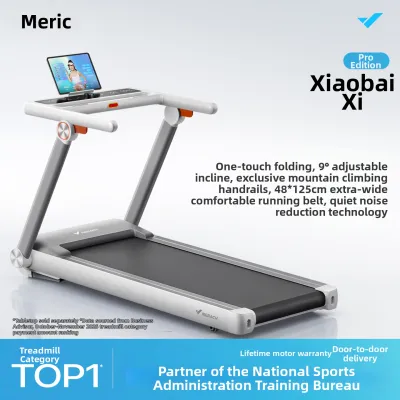
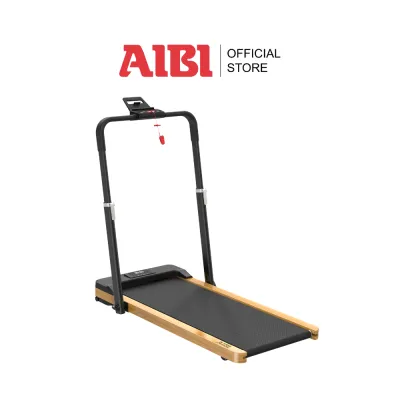
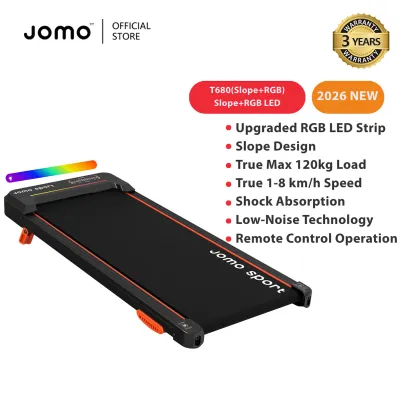
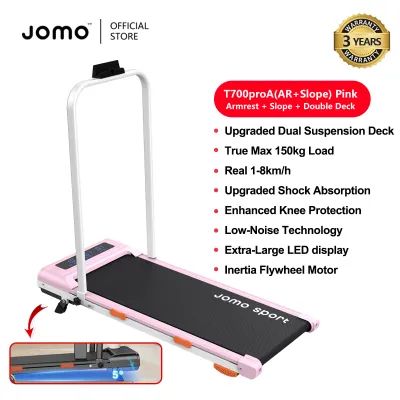
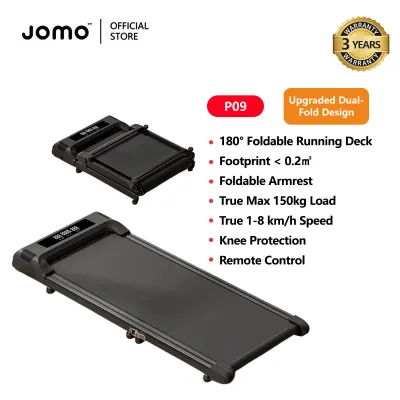
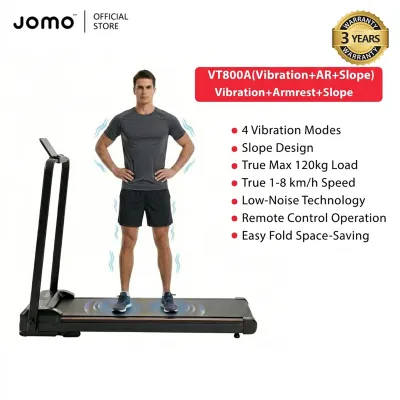
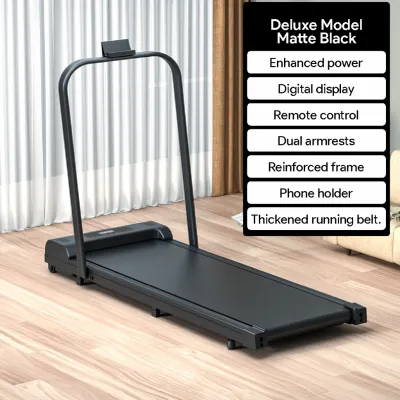
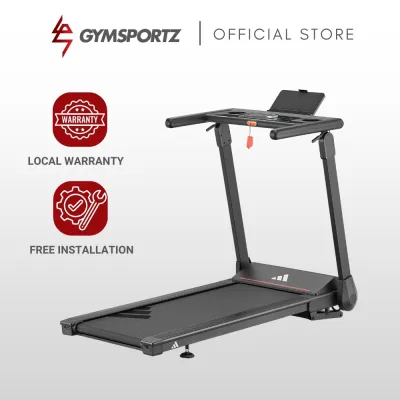
Prices are valid at publication and may change. Please refer to the product page for the latest price.
Mark the footprint of the treadmill on the floor using masking tape. Ensure this marked area does not block the swing path of bedroom doors, wardrobe doors, or main walkways.
Vertical clearance is equally critical. When you step onto a treadmill, you are elevated by the height of the deck, which is typically 10 to 15 cm off the ground.
Calculate your total height when standing on the machine. Ensure there is ample clearance between the top of your head and any ceiling fans, light fixtures, or low-hanging structural beams common in older HDB flats.
Do not forget the delivery route. Measure the width of your flat’s main entrance, hallway corridors, and bedroom doorways. A treadmill that fits perfectly in your bedroom is useless if the boxed unit cannot clear the turn in your hallway during delivery.
Evaluating Folded Dimensions and Storage Options
Foldable treadmills generally fall into two design categories: flat-folding and upright-folding. Each type suits different storage configurations within a compact home.

Flat-folding models collapse completely flat, often reaching a height of 15 cm or less. These are ideal if you plan to slide the machine under a platform bed, a raised sofa, or inside a shallow built-in wardrobe.
Upright-folding models fold the deck upward toward the console, keeping the machine vertical. These units require less floor space when stored but stand much taller, making them suitable for tight corners, utility closets, or alcoves.
Check the clearance under your furniture before choosing a flat-folding model. Standard HDB sofas and bed frames often have less than 12 cm of ground clearance, which may prevent storage of even the slimmest treadmills.
Weight is a major factor in portability. A “portable” treadmill can still weigh anywhere from 25 kg to over 50 kg, which affects how easily you can move it.
Examine the design and placement of the built-in transport wheels. Some models only roll forward and backward, while others feature multi-directional wheels that make maneuvering in tight HDB corridors much easier.
Verify that the folded unit will not block common household pathways. A stored treadmill that protrudes into a narrow hallway creates a tripping hazard and disrupts the daily flow of your home.
Ensuring Safe Operational Space and Margins
Operating a treadmill in a cramped space poses significant safety risks. If you lose your footing, you need a safe zone to dismount or fall without hitting hard furniture or walls.
As a general safety guideline, maintain at least 1 to 1.5 metres of clear, unobstructed space directly behind the treadmill belt. This rear clearance is the most critical safety margin for preventing serious injury.
Keep at least 0.5 metres of clear space on both sides of the machine. This prevents your arms or shoulders from striking nearby walls or shelves during high-intensity workouts.
Your height and running style dictate the minimum belt size you need. A belt that is too short forces you to shorten your natural stride, increasing the risk of stepping off the moving deck.
For casual walking, a belt length of 100 to 110 cm is usually sufficient for most users. If you plan to jog or run, look for a belt length of at least 120 to 130 cm to accommodate your longer stride.
Consider the motor’s ventilation needs. Treadmill motors generate heat during operation, and running a machine in a small, unventilated HDB bedroom can cause the motor to overheat.
Ensure the motor housing at the front of the treadmill has at least 30 cm of clearance from walls or heavy curtains to allow proper airflow and heat dissipation.
Common Sizing Mistakes to Avoid
One of the most common mistakes is purchasing a treadmill based solely on its advertised “folded size” or “ultra-slim” marketing labels.
Remember that you cannot use the treadmill while it is folded. Always check the fully deployed dimensions and add the required safety clearances to your floor plan before buying.
Ultra-compact, lightweight models often sacrifice structural stability to achieve their small footprint. This trade-off can affect the overall safety and durability of the machine.
Lightweight frames may shake, wobble, or slide across the floor when you run at higher speeds. Check the manufacturer’s specified weight capacity and frame material to ensure it can safely support your body weight during active use.
Do not underestimate the physical effort required to fold and move the machine. A treadmill advertised as “portable” may still be too heavy for a single person to lift or roll safely, especially on carpeted surfaces or over door thresholds.
Always verify the net weight of the machine and ensure you have the physical capability to handle it, or plan to keep it in a semi-permanent position where folding is rarely required.
Frequently Asked Questions (FAQ)
Can I keep a foldable treadmill in my HDB household shelter?
Storing a foldable treadmill in your HDB household shelter is physically possible if the dimensions allow, but you must exercise caution. The heavy, airtight steel door of the shelter swings inward on many older models, which can severely limit the usable entry space. You must ensure that the stored treadmill does not block the door from opening fully or obstruct access to the ventilation sleeve. Additionally, review the Singapore Civil Defense Force guidelines regarding household shelters; the shelter must remain functional and accessible, meaning you should not store items in a way that compromises quick entry or exit during an emergency.
What belt length is sufficient for walking versus running in a small space?
The ideal belt length depends entirely on your height and your workout intensity. For a walking-only routine, a compact belt length of 100 cm to 110 cm is generally sufficient and helps keep the treadmill’s overall footprint small. However, if you plan to jog or run, your stride naturally lengthens, requiring a belt length of at least 120 cm to 130 cm to prevent you from accidentally stepping off the rear. Balancing this need for safety with the limited floor space of an HDB flat means you may need to opt for a machine that folds completely flat to reclaim floor space when your workout is complete.

Community discussion
Share your experience or ask a question. Comments are reviewed before publication.