
Choosing between a premium and a budget 2-piece yoga block set is not a matter of finding a universal winner, but rather matching the equipment to your practice frequency, intensity, and material preferences. While budget sets offer an accessible entry point for casual practitioners, premium alternatives provide enhanced structural integrity and specialized materials. This guide compares density, edge design, and long-term value to help you decide which tier aligns with your personal wellness journey.
Understanding the physical differences between these tiers allows you to make an informed decision that supports your physical alignment and safety. Whether you are practicing in a local studio or setting up a home space, the right pair of blocks acts as an extension of your body, modifying poses to match your current flexibility and strength levels. By evaluating the material properties and construction methods of each tier, you can select a set that enhances your practice without unnecessary expenditure.
Defining the Tiers: What Makes a Yoga Block "Premium" or "Budget"?
To understand the distinction between premium and budget yoga blocks, one must look closely at the raw materials and manufacturing processes. Budget blocks are almost exclusively made from standard Ethylene-Vinyl Acetate (EVA) foam. This synthetic polymer is highly favored by manufacturers for its low production cost, lightweight nature, and soft, yielding texture. However, standard EVA foam often features a highly aerated cell structure, which makes the block susceptible to compression and warping under moderate loads.
Products mentioned in this guide
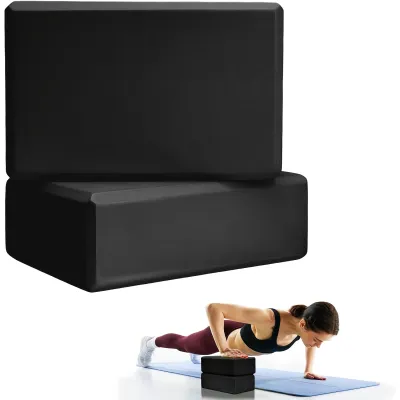
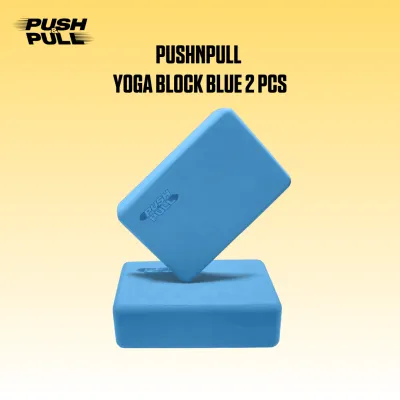
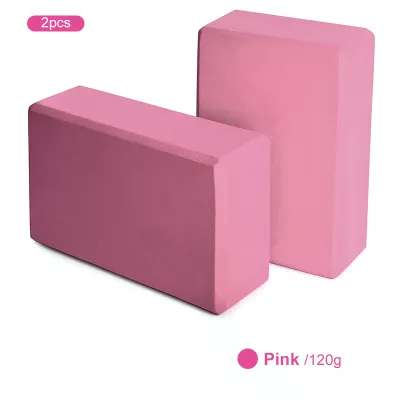
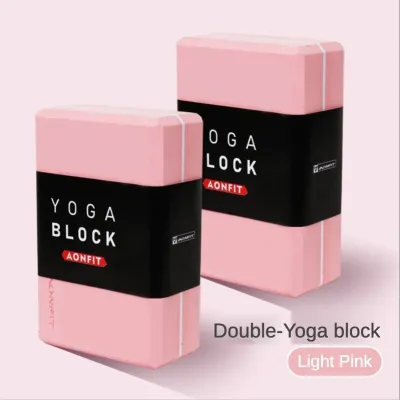
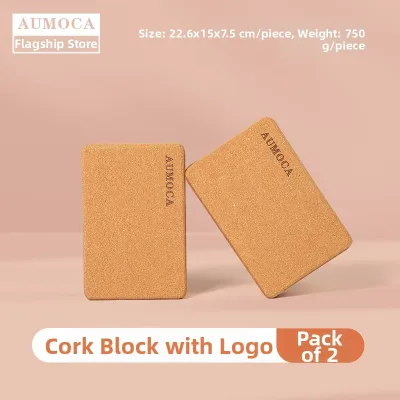
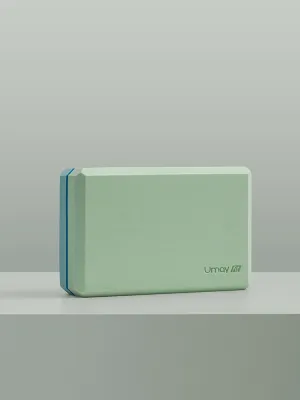
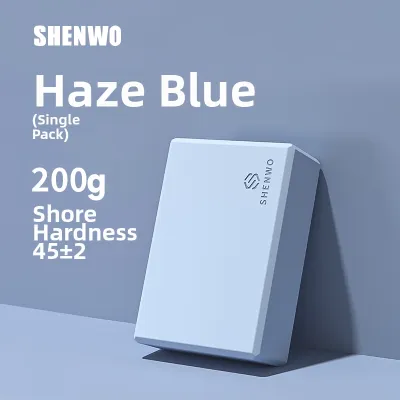
Prices are valid at publication and may change. Please refer to the product page for the latest price.
Premium blocks diversify into high-density EVA foam, natural cork, or sustainable bamboo. High-density foam undergoes a specialized manufacturing process that packs more material into the same volume, resulting in a significantly firmer and heavier block. Cork blocks are harvested from the bark of cork oak trees, offering a dense, solid structure that is naturally slip-resistant and biodegradable. Bamboo blocks represent the luxury end of the spectrum, constructed from laminated bamboo strips that provide an incredibly rigid, furniture-grade aesthetic and feel.
Beyond the core materials, design nuances play a critical role in defining these tiers. Premium blocks typically feature generous, precision-cut beveled edges that eliminate sharp corners, distributing body weight more comfortably across your hands, wrists, or back. They also frequently incorporate textured surfaces, such as embossed patterns or matte finishes, to enhance friction. In contrast, budget blocks often have minimal beveling and a smooth, glossy finish that can become slippery when exposed to moisture or sweat.
Material and Build Quality Comparison
When evaluating density and support, it is essential to look beyond marketing terms and verify the physical specifications of the blocks. High-density foam blocks resist compression, ensuring that your joints remain properly aligned during demanding poses like half moon or supported bridge. If a block compresses too easily under your weight, it fails to provide the stable elevation required to prevent strain. To assess this, check the manufacturer’s specified weight capacity or density rating, and physically test the block by pressing your thumb firmly into the surface; a high-quality block should resist deep indentation.

Surface texture and grip are critical factors, particularly in humid tropical climates where sweat can quickly turn a smooth block into a slipping hazard. Natural cork blocks offer inherent slip resistance because the organic material actually becomes grippier when slightly damp. For foam blocks, look for embossed geometric patterns or specialized matte finishes that enhance friction. Budget foam blocks with a completely smooth, glossy surface may require a towel overlay to prevent slipping during active sessions, whereas premium textured foam maintains a reliable grip under dry and damp conditions alike.
Edge design directly impacts comfort during weight-bearing poses. When you place your full weight onto a block, a sharp edge can cut into your palms, wrists, or sacrum, leading to discomfort and distracted focus. Beveled edges distribute this pressure more evenly across a larger surface area. When shopping, inspect the radius of the bevel; a larger, more rounded curve generally offers superior comfort during restorative poses where the block is held against the body for several minutes. Budget blocks often skimp on this finishing step, leaving sharper edges that can irritate sensitive skin and joints.
Performance Across Different Yoga Styles
In restorative and Yin yoga, poses are held for extended periods, making comfort and stable support paramount. High-density foam or cork blocks are highly suited for these styles. They provide a firm, unyielding structure that supports the torso, hips, or head without sagging over time. The solid weight of a premium block also helps it stay anchored on your mat, preventing accidental tipping when you shift your weight.
For dynamic practices like Vinyasa or Ashtanga, lightweight budget EVA blocks offer a distinct advantage. These styles involve rapid transitions where you must quickly reposition your blocks. A lightweight block is easier to grab, lift, and slide across the mat with one hand. The lower weight also reduces the risk of injury or loud noise if you accidentally drop the block mid-transition.
Hot yoga and high-sweat environments demand careful material selection. Standard EVA foam does not absorb moisture, which keeps it hygienic but can lead to pooling on the surface. Cork is naturally antimicrobial and absorbs small amounts of moisture, but it requires thorough drying after class to prevent degradation. Always check the product care labels to verify if the blocks can be washed with mild soap or if they require specialized cleaning solutions to maintain their grip.
Evaluating the True Value of a 2-Piece Set
Purchasing a 2-piece set is highly practical for most practitioners. Having two blocks allows for symmetrical support in poses like forward folds, where you place one hand on each block. It also enables advanced transitions, such as jump-throughs, where you need elevation on both sides of your body to swing your legs through. While a single block might suffice for basic modifications, a pair offers far greater versatility as your practice evolves.
When considering longevity versus replacement costs, budget blocks may seem more appealing initially due to their lower price point, often retailing around S$10 to S$20 per set. However, low-density foam is prone to permanent indentations, fingernail gouges, and edge peeling over time. Premium blocks, which may cost between S$40 and S$80 for a pair, are built to withstand years of daily use without losing their shape or structural integrity, potentially saving you money on replacements in the long run.
Many 2-piece sets come bundled with accessories like carrying straps, resistance bands, or storage bags. It is important to evaluate whether these inclusions add genuine value to your routine. If you already own a yoga strap, a bundled set might simply inflate the overall price without offering additional utility. Verify the quality of the bundled items; a flimsy strap with plastic D-rings may not provide the secure hold needed for deep stretching.
How to Choose the Right 2-Piece Set for You
Choose a premium 2-piece set if you practice daily, require maximum stability for advanced inversions, or have sensitive joints that need the comfort of well-beveled edges. The investment in high-density foam or natural cork pays off in structural reliability and physical comfort during intense or prolonged sessions.
Choose a budget 2-piece set if you are a beginner exploring yoga, practice casually a few times a month, or prioritize lightweight portability for commuting to local studios. A budget foam set provides adequate support for basic alignment modifications without a significant financial commitment.
Before finalizing your purchase, verify specific product details. If you have sensitive skin or material allergies, check the manufacturer’s material safety data sheet to ensure the foam is free from harmful chemicals or latex. Additionally, confirm the exact dimensions of the blocks to ensure they match your hand size and flexibility level, and check the retailer’s return policy in case the density does not meet your expectations upon arrival.
Frequently Asked Questions (FAQ)
Can I mix a premium and a budget yoga block in my practice?
Mixing blocks of different densities or materials is generally not recommended for symmetrical poses. If one block compresses more than the other, or if they have different heights, your body will be misaligned, potentially straining your joints. However, you can safely mix them in asymmetrical setups, such as using a firm cork block under your foot for standing balance and a softer foam block under your head for comfort.
Are cork yoga blocks always considered premium?
While cork is a natural, eco-friendly material often associated with premium brands, it is not universally superior for every practitioner. Cork blocks are significantly heavier than foam, making them less portable for travel. They are also much firmer, which some users find uncomfortable against sensitive bones like the sacrum or spine. Consider whether you prioritize the firm grip and weight of cork over the soft cushioning of high-density foam.

Community discussion
Share your experience or ask a question. Comments are reviewed before publication.