
Finding the right dumbbell setup for your home gym requires balancing your training goals with your physical living space. For many fitness enthusiasts, ProIron offers a versatile range of weights, but selecting the ideal type depends on how you exercise and where you store your gear. If you are working within a compact apartment, space-saving adjustable models are often the most practical choice, whereas dedicated lifters may prefer the immediate readiness of fixed hex or coated options.
Evaluate Your Space, Budget, and Fitness Goals
Living in an urban environment often means making the most of limited square footage. Before browsing online catalogs, measure the exact area where you plan to perform your workouts and store your equipment. A dedicated rack of fixed dumbbells can easily occupy an entire wall, while a single pair of adjustable weights can sit neatly in a closet or under a sturdy bed frame.
Floor protection is another critical factor to consider before making a purchase. Dropping heavy cast iron weights directly onto tiled, laminate, or vinyl flooring can cause costly structural damage. If you live in a multi-story residential building, you must also consider the acoustic impact of your workouts on neighbors below. Budgeting for high-density rubber floor mats is highly recommended alongside your dumbbell purchase to absorb impact and dampen sound.
Products mentioned in this guide
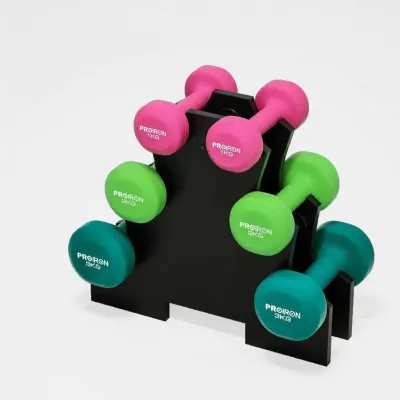
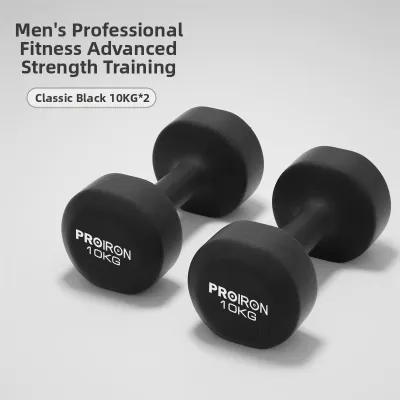
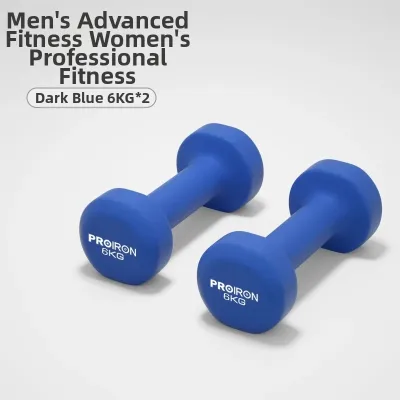
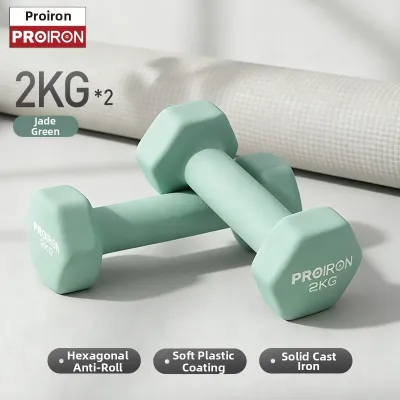
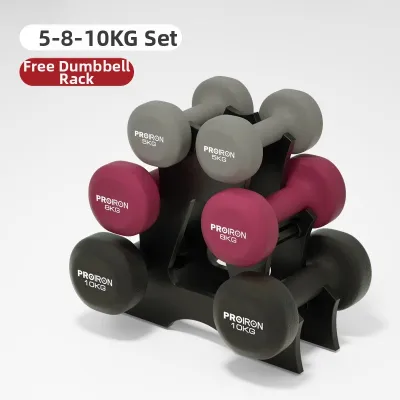
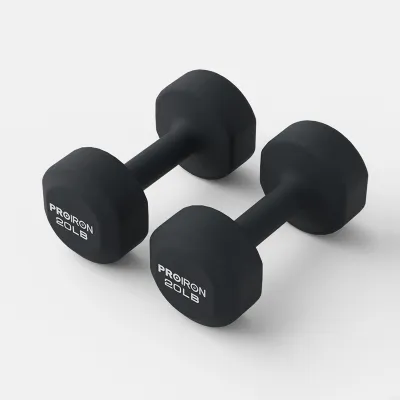
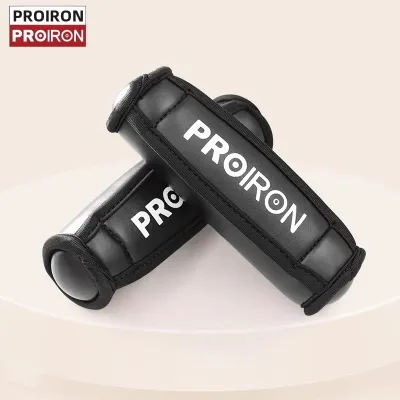
Prices are valid at publication and may change. Please refer to the product page for the latest price.
Your financial allocation should reflect your long-term fitness trajectory rather than just your immediate needs. While a single pair of light, fixed dumbbells might seem highly affordable initially, you may quickly outgrow them as your strength improves. Investing in a system that allows you to add weight incrementally can save you money over time by preventing the need to buy entirely new sets every few months.
Finally, define your primary training methodology. Progressive overload—the gradual increase of stress placed upon the body during exercise—requires access to a wide range of weight increments. If your goals involve building raw strength or muscle mass, you will need a setup that scales with your progress. Conversely, if your routine focuses on cardiovascular conditioning, mobility, or rehabilitation, a few select pairs of fixed, lighter weights may be perfectly adequate.
Compare ProIron Dumbbell Categories
To make an informed decision, it is essential to understand the primary design philosophies behind different dumbbell types. ProIron manufactures several distinct categories, each engineered to address specific user needs, space limitations, and budget ranges. By comparing these categories, you can identify which design aligns with your daily workout flow.

The main trade-offs across these options involve versatility, durability, and physical footprint. Adjustable systems offer maximum versatility within a minimal footprint but contain moving parts that require careful handling. Fixed-weight options provide unmatched structural simplicity and durability but require significantly more storage space and a higher total investment to cover the same weight range.
Adjustable Dumbbells for Progressive Overload
Adjustable dumbbells are engineered for lifters who require a broad spectrum of resistance levels without dedicating an entire room to equipment storage. These systems typically utilize a central handle paired with a mechanism—such as spinlock collars, selector dials, or pin systems—to secure varying numbers of weight plates. This design allows you to transition from light weights for lateral raises to heavier loads for chest presses using the same basic hardware.
The primary advantage of this category is its exceptionally small physical footprint. Instead of purchasing ten separate pairs of dumbbells, a single adjustable set delivers the same utility while occupying only a fraction of the floor space. This makes them highly suitable for small apartments or shared living spaces where gym equipment must be packed away after each session.
When selecting an adjustable model, it is important to verify the mechanism’s specifications and weight increments. Spinlock collars offer a highly secure, manual connection but require more time to unscrew and adjust between sets. Dial-based selector systems offer rapid transitions but feature more complex internal components that must be handled with care to avoid damage. Always check the manufacturer’s guidelines regarding the maximum load capacity and the specific weight steps available.
Fixed Dumbbells for High-Volume Training
Fixed dumbbells feature a solid, non-adjustable construction where the weight heads are permanently welded or cast onto the handle. This structural simplicity makes them incredibly durable and virtually maintenance-free. Because there are no collars to tighten or dials to align, there is no risk of moving parts wearing out or loosening during a heavy lifting session.
This category is highly favored for high-intensity interval training (HIIT), circuit training, and drop sets. In these workout styles, transition time is critical; you cannot afford to spend thirty seconds adjusting a dial when your heart rate needs to remain elevated. With fixed weights, you can simply drop one pair and immediately pick up another to continue your set without interruption.
However, the convenience of fixed dumbbells comes with a significant space and financial trade-off. To progress in your strength journey, you will need to purchase multiple pairs, which quickly accumulates weight and requires a dedicated storage rack. Before choosing this path, ensure you have the physical space to accommodate a multi-tier rack and the budget to acquire a complete range of weights.
Hex and Coated Designs for Floor Protection
The physical shape and exterior material of a dumbbell play a major role in both safety and home preservation. Hexagonal dumbbells feature flat, six-sided heads rather than traditional round plates. This geometric design prevents the weights from rolling away when placed on the floor, which is a vital safety feature if your workout area has a slight incline or if you train around pets and children.
Beyond stability, the hexagonal shape enables a variety of floor-based exercises that are difficult or unsafe to perform with round weights. Exercises such as renegade rows, dumbbell push-ups, and plank transfers rely on the dumbbell remaining perfectly stationary under your body weight. Using a flat-sided dumbbell provides a stable platform, reducing the risk of wrist strain or sudden slipping.
The outer coating of the dumbbell—whether rubber, neoprene, or vinyl—serves as a protective barrier for both the iron core and your home’s surfaces. Coated weights significantly reduce the clanging noise associated with metal-on-metal contact, making them ideal for early morning or late-night workouts in shared households. Additionally, these coatings help prevent scuffs and scratches on hard floors, though using a dedicated exercise mat is still highly recommended.
Match the Dumbbell Type to Your Training Style
Selecting the right equipment is ultimately about matching the tool to your specific movement patterns. If your routine is centered on traditional strength training, powerlifting accessory movements, or classic bodybuilding, an adjustable dumbbell set is highly efficient. It allows you to systematically apply progressive overload across compound movements like squats, deadlifts, and overhead presses without requiring a commercial-grade weight rack.
For those who prefer fast-paced cardiovascular conditioning, metabolic resistance training, or active recovery, fixed-weight pairs are generally more practical. The ability to move seamlessly from one exercise to the next without pausing to adjust plates keeps your workout momentum high. If you frequently perform dynamic movements where the weights might contact each other or the floor with force, the solid construction of fixed weights offers peace of mind.
If your fitness routine leans toward yoga fusion, pilates, barre, or physical therapy, lightweight coated dumbbells are the most appropriate choice. Neoprene and vinyl coatings provide a comfortable, non-slip grip even when your hands are sweaty, and the smaller physical size of these weights makes them easy to maneuver through complex, high-repetition movement patterns.
Regardless of the type you choose, safety must remain your top priority. Heavy lifting at home should always be performed within your current physical capabilities. Ensure your workout space is clear of clutter, maintain proper lifting posture, and stop immediately if you experience sharp pain or joint instability. Equipment is a tool to facilitate health, and it should always be used in conjunction with sound training principles.
Verify Specifications Before Buying Online
Purchasing fitness equipment through online marketplaces requires careful attention to product specifications to avoid costly shipping mistakes. Start by cross-referencing the listed weight increments and total package weight with the official manufacturer documentation. Some listings may display the combined weight of a pair rather than the individual dumbbell weight, which can lead to unexpected surprises upon delivery.
Pay close attention to the handle dimensions, specifically the grip diameter and the presence of knurling. Knurling refers to the cross-hatch pattern cut into the metal handle that provides friction for a secure grip. If you have smaller hands, a handle diameter that is too thick may cause premature forearm fatigue; conversely, a completely smooth handle can become dangerously slippery when wet with perspiration.
Finally, review the retailer’s shipping policies, return terms, and warranty coverage. Because dumbbells are exceptionally heavy, return shipping fees can sometimes exceed the original cost of the product if you order the wrong item. Look for sellers that offer clear warranty terms against manufacturing defects, and ensure that all necessary accessories—such as storage trays, collars, or assembly tools—are explicitly included in your purchase.
Frequently Asked Questions (FAQ)
Can I mix different dumbbell brands in my home gym?
Yes, you can safely mix different dumbbell brands in your home gym, as weight is a universal metric. However, you should be prepared for minor inconsistencies in handle thickness, knurling patterns, and overall physical dimensions between different manufacturers. If you plan to store your weights on a specific multi-tier rack, verify that the handle lengths of the different brands are compatible with the rack’s support rails.
How should I clean and maintain coated dumbbells?
To maintain the integrity of rubber, neoprene, or vinyl coatings, wipe them down regularly with a soft cloth dampened with water and a mild dish soap. Avoid using harsh chemical solvents, bleach, or abrasive scrubbing pads, as these can degrade the protective coating and cause it to peel or become sticky. Always dry the dumbbells thoroughly with a clean towel before storing them to prevent moisture from reaching the inner iron core, especially in humid climates.

Community discussion
Share your experience or ask a question. Comments are reviewed before publication.