
Punching gloves are categorized by weight in ounces (oz), which directly dictates the amount of protective padding between your knuckles and your target. Choosing the right weight is not about finding your hand size, but about matching the glove’s physical weight to your training activity, body weight, and safety requirements.
In local training spaces, from high-intensity fitness studios to traditional combat gyms, selecting the wrong ounce weight can lead to hand fatigue, poor technique, or avoidable injuries. To make an informed decision, you must understand how this weight is distributed, how it affects your striking speed, and how to verify the fit against your personal physical metrics.
What Does the Ounce (oz) Weight Actually Measure?
The “oz” label on a punching glove is a unit of mass, not a dimensional measurement like small, medium, or large. A 14 oz glove and a 16 oz glove from the same manufacturer might have a very similar internal hand compartment size, but the 16 oz version will contain more physical padding material.
Products mentioned in this guide
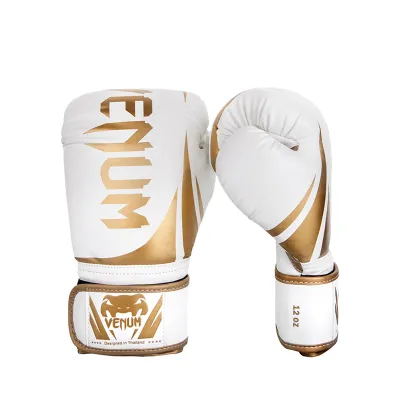
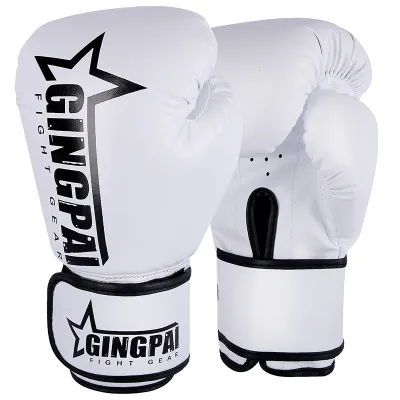
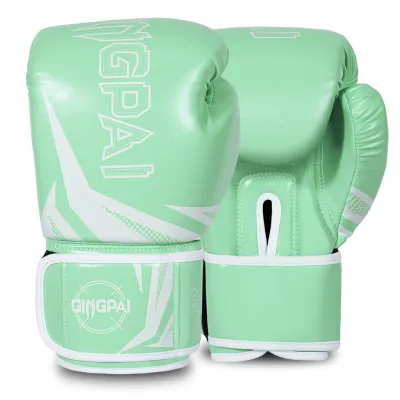
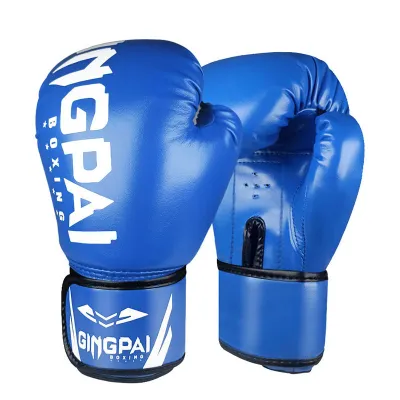
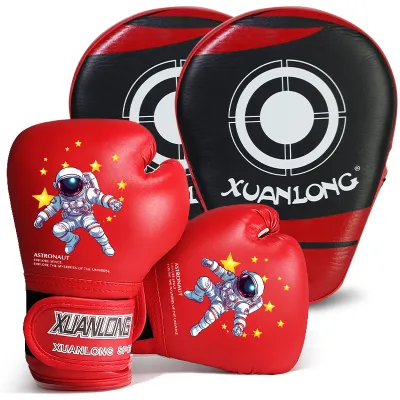
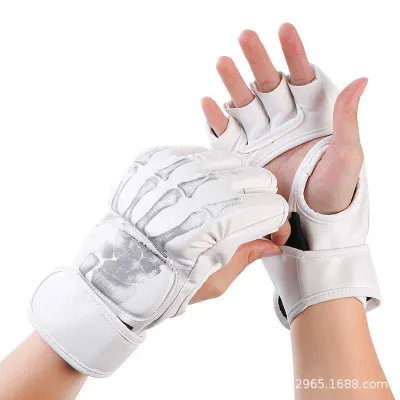
Prices are valid at publication and may change. Please refer to the product page for the latest price.
This distinction is critical because many beginners mistake a higher ounce rating for a larger hand fit. The internal compartment is designed to accommodate your hand wrap and hand, whereas the external ounce rating determines the thickness and volume of the protective foam.
Heavier gloves naturally present a bulkier external profile. This larger surface area changes how you defend, block, and slip punches, while also altering how the glove absorbs and distributes the force of an impact.
Because padding density, foam composition, and weight distribution vary significantly across different brands, you should always verify the manufacturer’s specific product specifications rather than assuming all gloves of a certain ounce weight perform identically.
How Glove Weight Impacts Protection and Speed
Selecting a glove weight involves balancing physical trade-offs between protective mass and movement velocity. Heavier gloves, typically ranging from 14 oz to 18 oz, offer substantial shock absorption, which helps cushion the impact on your knuckles, wrists, and your training partner’s body.

However, moving this extra mass requires more muscular effort. Training with heavier gloves can lead to slower hand speed and faster shoulder fatigue, which may compromise your form if you have not yet built up the necessary conditioning.
Conversely, lighter gloves, such as 10 oz or 12 oz options, reduce the physical strain on your shoulders, allowing for rapid hand speed and immediate tactile feedback when hitting pads. You can feel the exact angle of your impact, which is highly beneficial for refining your technique.
The trade-off is a significant reduction in shock absorption. Lighter gloves transfer more force directly back into your hand joints and wrist, making them less suitable for heavy bag training where repetitive, high-impact forces are common.
It is vital to remember that total weight is only one factor in hand safety. The quality of the internal padding, the ergonomic pre-curve of the glove, and your own striking technique play equally critical roles in preventing injury.
How to Select the Right Ounce Weight for Your Training
To build a reliable selection framework, you must evaluate your primary training environment, your body weight, and your specific gym’s safety protocols.
For dedicated bag work and focus mitt training, lighter to mid-weight gloves (typically 10 oz to 12 oz for lighter individuals, or 14 oz for heavier strikers) are excellent for developing speed, endurance, and precise alignment. They allow you to focus on the snap of your punch without fighting excessive glove weight.
When transitioning to sparring, safety must be your absolute priority. Most gyms enforce a strict policy requiring 16 oz gloves for partner sparring to ensure adequate shock absorption and protect both you and your training partner from unnecessary impact trauma.
If you plan to enter official competitions, be aware that bout glove weights are strictly regulated by local and international sanctioning bodies, often requiring specific 10 oz or 12 oz gloves depending on the weight class. Always consult your coach or the specific organization’s rulebook before purchasing competition gear.
To find your starting point, consult the manufacturer’s sizing chart, which typically correlates your body weight and hand circumference (measured just below the knuckles) to a recommended ounce weight. For example, a striker weighing under 60 kg may use a different baseline weight than someone over 80 kg.
Beyond the Ounce: Checking Fit and Closure Types
Even if you select the mathematically correct ounce weight, a poor physical fit or inadequate wrist support can compromise your safety and performance.
When trying on punching gloves, always wear your hand wraps to check the internal compartment fit. The glove should feel snug and secure, preventing your hand from sliding around inside, yet it must not restrict blood circulation or pinch your knuckles.
Wrist support is another critical variable, usually split between lace-up and hook-and-loop closures. Lace-up gloves offer superior, customized wrist alignment and stability but require a partner to tie them, whereas hook-and-loop closures allow you to put on and remove your gloves independently during solo training sessions.
Finally, perform a physical check of the thumb attachment and the glove’s natural ergonomic curve. The thumb should be securely attached to the main body of the glove to prevent accidental hyperextension, and the inner mold should allow you to form a natural, relaxed fist without forcing your joints into an awkward angle.
In warm, humid climates like Singapore, where sweat buildup is rapid, look for gloves with mesh palms or ventilation holes to assist with drying, and ensure you dry them thoroughly after every session to maintain material integrity.
Frequently Asked Questions (FAQ)
Do heavier punching gloves make you punch harder?
No, heavier gloves do not increase your striking power. While they add physical mass to your hand, they also introduce greater air resistance and muscle strain, which can slow down your punch acceleration.
True striking power is a product of proper body mechanics, kinetic chain transfer from your legs through your core, and hand speed at the moment of impact. Heavier gloves are designed for protection and conditioning, not for generating extra force.
Can I use the same ounce weight for bag work and sparring?
Using a single pair of gloves for both heavy bag training and sparring is generally not recommended due to safety and wear concerns. Repetitive impact against a hard heavy bag compresses the internal foam over time, reducing its ability to absorb shock during sparring.
Using worn-down or lightweight bag gloves during sparring poses a direct safety risk to your training partner. Conversely, using heavy sparring gloves for high-volume bag work can cause unnecessary shoulder fatigue and limit your technical feedback.
For the best balance of safety and performance, verify your local gym’s sparring requirements and consider investing in a dedicated, heavier pair of gloves for partner work while keeping a lighter pair for bag and pad training.

Community discussion
Share your experience or ask a question. Comments are reviewed before publication.