
In Singapore’s intense tropical climate, where relative humidity routinely exceeds 80% and sudden afternoon downpours are common, a standard cotton towel quickly becomes a heavy, saturated liability on the golf course. To maintain a secure grip and clean clubfaces during an 18-hole round, the best quick dry towels are those made from split microfiber with a waffle-weave structure. These specialized towels maximize surface area for rapid evaporation, trap moisture and dirt efficiently, and resist the mildew growth that thrives in persistent warmth and humidity. Selecting the right towel requires looking closely at material composition, weave density, and attachment systems to ensure your gear remains functional from the first tee to the final green.
Why Singapore's Humid and Rainy Climate Changes Your Towel Choice
Playing golf in Singapore presents unique environmental challenges that directly affect your equipment’s performance. When you step onto the course for an early morning tee time, heavy dew clings to the fairways, transferring moisture to your clubheads and golf balls with every shot. By midday, intense heat combined with high humidity levels prevents standard fabrics from drying naturally. If a sudden tropical squall hits, your gear can become completely drenched within minutes.
Under these conditions, traditional cotton towels fail rapidly. Cotton is highly hydrophilic, meaning it absorbs large volumes of water, but its thick, looped fibers hold onto that moisture. In high-ambient humidity, the air is already saturated with water vapor, which severely slows down the evaporation process. A wet cotton towel stays wet for the entire round, gradually becoming heavier and transferring water back onto your hands, grips, and clubfaces rather than drying them.
Products mentioned in this guide
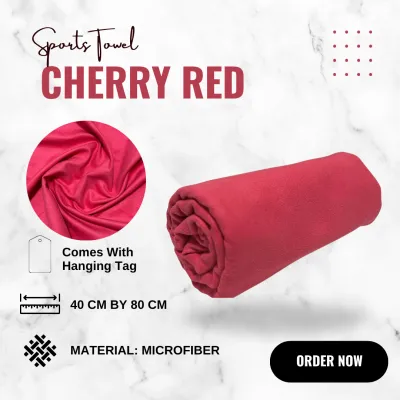
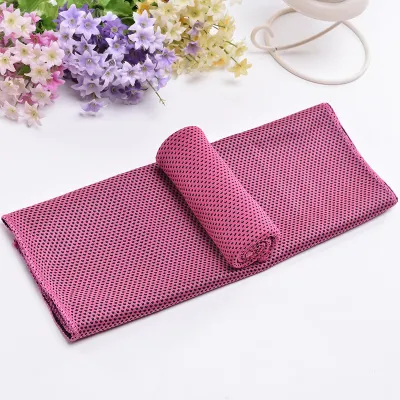
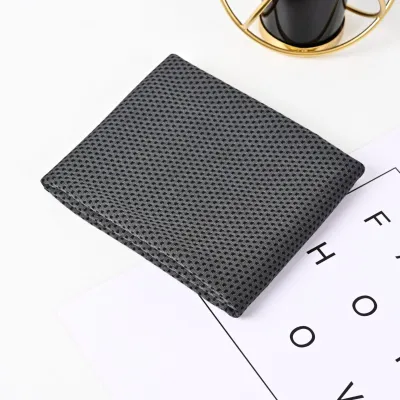
Prices are valid at publication and may change. Please refer to the product page for the latest price.
Carrying a heavy, waterlogged towel around an 18-hole course is not just inconvenient; it actively compromises your game. Moisture on your rubber or synthetic golf grips reduces friction, leading to club slippage during your swing and erratic shots. Furthermore, water trapped in the grooves of your clubface can cause “flyer” lies, where the ball slips up the face upon impact, resulting in unpredictable spin rates and distance control. A high-performance quick-dry alternative is essential to keep your equipment dry and your grip secure.
What to Look for in a Quick Dry Golf Towel for Tropical Weather
Choosing a quick-dry towel for a tropical climate requires looking beyond basic marketing claims. You need to verify specific material properties, weave designs, and physical dimensions to ensure the towel can handle both heavy moisture and high humidity.

Material and Weave Structures
The foundation of any effective quick-dry towel is its material composition. Look for towels made from a high-quality synthetic blend, typically a mix of polyester and polyamide. Polyester provides structure and rapid drying capabilities, while polyamide increases water absorption. The fibers should be “split” microfiber, a manufacturing process that splits the individual threads into microscopic structures. This splitting increases the total surface area of the fabric, allowing it to pull moisture away from surfaces through capillary action rather than simple absorption.
The weave pattern is equally critical. For golf, a waffle-weave structure is highly superior to flat microfiber or traditional terry cloth loops. The raised, square-like pockets of a waffle weave serve two main purposes. First, they create a larger surface area exposed to the air, which accelerates evaporation even when the surrounding air is humid. Second, these recessed pockets act as gentle scrapers, trapping mud, grass, and sand from your club grooves without scratching the metal surfaces. This ensures your clubfaces are clean and dry before every shot.
Size, Weight, and Attachment Mechanisms
The physical dimensions of your golf towel must balance functional surface area with practical carrying weight. A towel that is too small will saturate quickly, while a towel that is too large will drag on the ground, absorbing moisture from wet grass and puddles. An optimal size for a golf bag towel is approximately 40 by 60 centimeters. This provides ample clean surface area for an entire round while remaining compact enough to hang freely.
How you attach the towel to your golf bag is a key consideration in wet weather. Look for towels equipped with heavy-duty, rust-resistant carabiners, magnetic attachment systems, or reinforced metal grommets. A secure attachment keeps the towel suspended high on your bag, preventing it from touching the wet ground when you set your bag down or park your buggy. Magnetic clips are particularly useful, as they allow you to easily detach the towel, take it to the green to clean your ball, and snap it back into place without fumbling with a clip in the rain.
Preventing Mildew and Odors in High-Humidity Conditions
Singapore’s warm, humid climate creates the perfect breeding ground for bacteria and mold. If you leave a damp golf towel in your car trunk or balled up inside your golf bag after a round, it will quickly develop a persistent, musty odor caused by mildew growth. Preventing this requires a disciplined maintenance routine.
Always wash your golf towel promptly after every round, especially if it has been exposed to rain, sweat, or mud. Do not let it sit in a laundry hamper for days. When washing, use a mild liquid detergent and select a warm water cycle. It is vital to avoid using fabric softeners or dryer sheets. Fabric softeners work by leaving a thin, chemical coating over the fibers to make them feel softer. While this might be desirable for bath towels, it clogs the microscopic pathways of split microfiber, severely reducing its absorbency and quick-drying capabilities.
After washing, dry the towel thoroughly. While microfiber dries quickly on a line, you must hang it in a well-ventilated area with good airflow. If you dry it indoors in a closed room, the ambient humidity can still slow the process enough for mildew to start forming. If the manufacturer’s care label permits, you can tumble dry the towel on a low-heat setting. Never use high heat, as excessive heat can melt the synthetic polyester and polyamide fibers, ruining the waffle-weave structure and permanently reducing its performance.
On-Course Strategies for Managing Rain and Heavy Dew
Even the best quick-dry towel can become overwhelmed during a heavy tropical downpour if not managed correctly. Implementing smart on-course strategies will help you get the most out of your gear when the weather turns wet.
Consider using a “two-towel system” during rainy rounds. Keep one larger quick-dry towel attached to the outside of your bag or buggy to handle heavy dirt, mud, and wet clubs. Keep a second, smaller quick-dry towel stored safely inside a waterproof pocket of your golf bag or under your umbrella canopy. This dry towel should be reserved exclusively for your hands and your club grips right before you take your shot. This separation ensures that you always have a dry surface available for critical grip contact.
If your primary towel becomes saturated during a heavy rain shower, do not hesitate to wring it out periodically. High-quality microfiber towels are designed to release a significant portion of their held water when wrung tightly, allowing them to resume absorbing moisture immediately. When walking between shots, keep your active towel tucked under your umbrella ribs or beneath your golf bag’s rain hood. This simple step prevents the towel from absorbing falling rain, preserving its capacity for when you actually need to dry your equipment.
Frequently Asked Questions (FAQ)
Is microfiber better than cotton for golf in high humidity?
Yes. Microfiber absorbs more water than cotton relative to its weight and dries significantly faster. In high humidity, cotton traps moisture within its heavy loops, making it wet and heavy for the entire round. Microfiber’s split synthetic fibers allow for rapid capillary action and faster evaporation, keeping the towel functional even in damp tropical conditions.
What should I do if my golf towel develops a musty smell?
If your towel has a musty odor, it is likely due to mildew or detergent buildup. To resolve this, wash the towel in warm water with one cup of white vinegar instead of detergent, then run a second cycle with half a cup of baking soda. This natural treatment strips away built-up oils, fabric softeners, and bacteria, restoring both the fresh scent and the original absorbency of the microfiber.

Community discussion
Share your experience or ask a question. Comments are reviewed before publication.