
Selecting your first set of fishing gear can feel overwhelming, but a reliable beginner-friendly brand simplifies this entry point by prioritizing intuitive design, robust material standards, and transparent specifications. In tropical, high-humidity environments where coastal jetties and freshwater reservoirs present distinct challenges, the right equipment must withstand both corrosive salt air and the inevitable physical mishaps of the learning curve. A trustworthy brand focuses on helping you build foundational skills without the frustration of frequent line tangles, mechanical failures, or confusing technical jargon.
Rather than searching for a universal “best” label, identifying a reliable brand requires evaluating how well a manufacturer supports novice anglers through clear product labeling, accessible customer service, and durable construction. By focusing on verifiable product specifications and practical design features, you can confidently select gear that offers a smooth learning experience and lasting value.
What Defines a Reliable Fishing Gear Brand for Beginners?
A reliable fishing gear brand for beginners distinguishes itself through manufacturing standards that anticipate common novice mistakes. Beginners are highly likely to drop rods on concrete jetties, scrape reels against metal railings, or accidentally subject their gear to sudden, jarring impacts during transport. Trustworthy brands address these scenarios by utilizing resilient materials, such as high-impact composite plastics, reinforced fiberglass, or anodized aluminum, which provide structural forgiveness without adding excessive weight.
Products mentioned in this guide
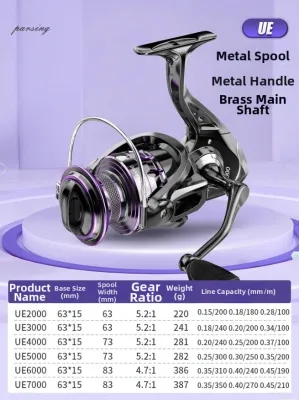
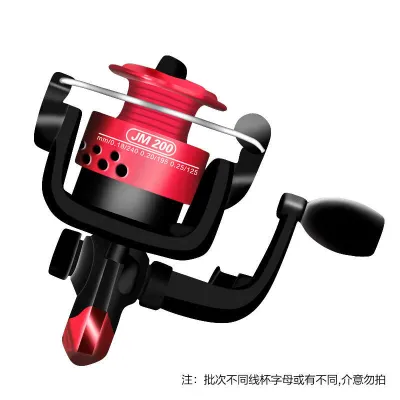
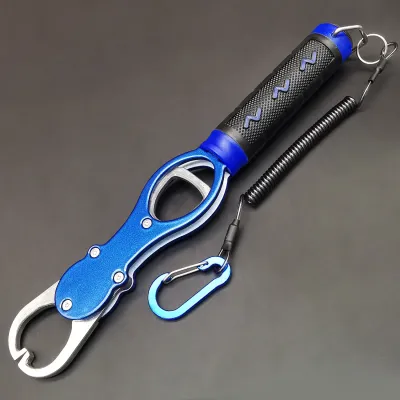
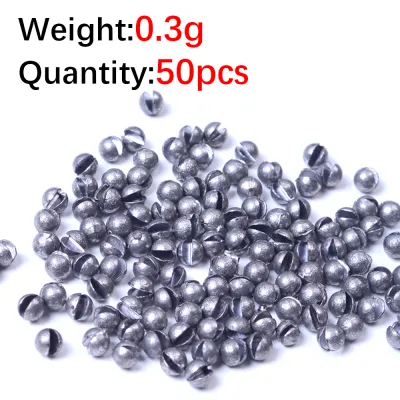
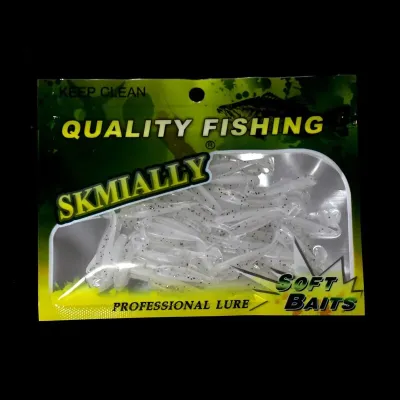
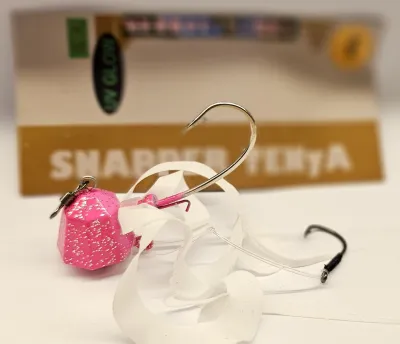
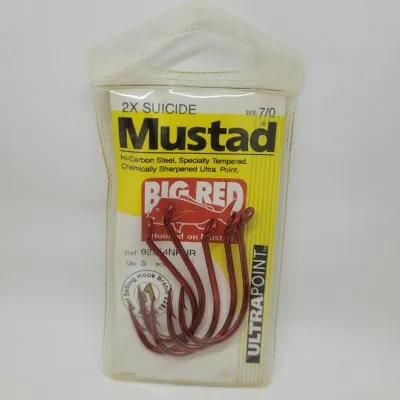
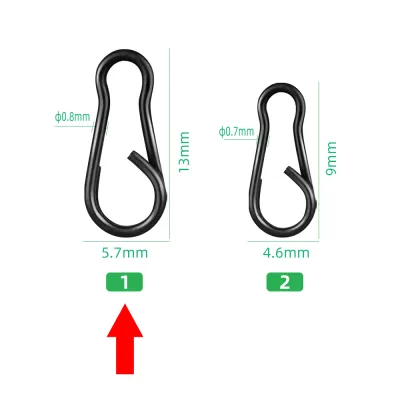
Prices are valid at publication and may change. Please refer to the product page for the latest price.
User-friendly design is another hallmark of a brand dedicated to beginners. Complex mechanical systems, such as high-end baitcasting reels, require precise thumb control and fine-tuning to prevent severe line tangles, commonly known as backlashes. Reliable beginner brands focus their product lines on highly forgiving systems, such as spinning or spincast reels, which feature simplified casting mechanics, smooth bail operations, and intuitive anti-reverse switches that help you focus on learning the basic motion of casting and retrieving.
Clear product documentation and accessible customer support are critical indicators of a brand’s reliability. Novices need straightforward sizing charts that explain which rod length and power rating match specific target species and water conditions. A reputable manufacturer provides comprehensive user manuals, online instructional videos, and readily available replacement parts, ensuring that a lost spool tension knob or a damaged rod tip does not force you to discard the entire setup.
Finally, reliable brands maintain transparency in their material specifications and weight ratings. Instead of relying on vague marketing buzzwords, they clearly state the line class limits, lure weight ranges, and structural compositions of their products. This transparency allows you to make informed decisions, ensuring that the gear you purchase is perfectly suited to your intended fishing environment and skill level.
Key Gear Categories and Brand Features to Prioritize
Rods and Reels
When selecting a rod and reel, matching the equipment’s action, power, and length to your local fishing environment is essential for a successful outing. For versatile angling in coastal areas or local reservoirs, a medium-power, fast-action rod measuring between six and seven feet offers an ideal balance. Medium power provides enough structural strength to handle a variety of fish sizes, while a fast-action tip allows you to feel subtle bites and learn the mechanics of setting the hook effectively.

Reel selection should focus on manageable retrieval speeds and smooth mechanical operation. Look for spinning reels with moderate gear ratios, typically between 5.0:1 and 5.8:1, which retrieve a sensible amount of line per handle turn and prevent you from retrieving lures too quickly. While brands often advertise high bearing counts, prioritize the quality and sealing of those bearings over sheer quantity, as sealed stainless steel bearings are crucial for preventing salt and grit from ruining the internal gears.
Always check the manufacturer’s specifications printed directly on the rod blank and reel spool. A reliable setup will clearly display the recommended line weight (for example, 8 to 15-pound test) and lure weight capacity (such as 1/4 to 3/4 ounces). Ergonomic grip designs, particularly those utilizing high-density EVA foam or natural cork, are also important, as they provide a secure, comfortable hold even when your hands are wet or covered in bait oils.
Tackle, Lines, and Terminal Gear
Consumables and accessories require the same level of scrutiny as your primary rod and reel. For beginners, monofilament line is highly recommended due to its user-friendly characteristics, including excellent knot strength, high elasticity to absorb sudden shocks, and a forgiving nature when tying basic knots. When evaluating line brands, look for clear labeling that specifies both the pound-test rating and the exact line diameter in millimeters, which helps you ensure the line fits your reel’s capacity limits.
Terminal tackle, including hooks, weights, and swivels, should be selected based on clear sizing standards and robust construction. Reliable tackle brands use standardized sizing systems, where hook sizes are clearly categorized by numbers (such as size 4 or 2 for smaller fish) or aught ratings (such as 1/0 or 2/0 for larger species). Ensure that the hooks feature sharp, chemically sharpened points and corrosion-resistant coatings, which prevent the metal from degrading rapidly in humid coastal air.
Your tackle box or utility tray should be evaluated for structural durability and secure latching mechanisms. Look for organizers made from heavy-duty, UV-resistant plastics that feature secure, tight-fitting latches to prevent accidental spills during transport. Waterproof silicone seals around the lid are highly beneficial in tropical climates, as they block humid air and sudden rain showers from entering the compartments and causing your hooks and swivels to rust prematurely.
How to Verify Brand Claims and Product Specifications
To avoid purchasing low-quality gear masked by clever marketing, you must learn to verify manufacturer claims against objective technical specifications. Vague terms such as “indestructible,” “professional-grade,” or “space-age composite” should be treated with caution. Instead, look for precise material descriptions, such as 24-ton carbon fiber, E-glass fiberglass, or cold-forged aluminum, which indicate standardized manufacturing processes and predictable performance characteristics.
Cross-referencing stated weight capacities and drag limits with official user manuals or technical spec sheets is an effective way to verify a brand’s honesty. If a compact spinning reel claims an exceptionally high maximum drag capacity, check if the reel frame is constructed from carbon composite or aluminum rather than cheap, flexible plastic. A high drag setting on a weak plastic frame will cause the body to flex under load, misaligning the internal gears and leading to mechanical failure.
Warranty terms and return policies offer valuable insight into a manufacturer’s confidence in their products. Reliable brands typically offer at least a one-year warranty against manufacturing defects and provide clear instructions on how to submit a claim. Before purchasing, verify whether the brand has authorized local service centers or local distributors in your region, as shipping a damaged rod or reel internationally for repairs can often cost more than buying a replacement.
Additionally, seek out independent community feedback and detailed teardown reviews rather than relying solely on promotional content. Experienced anglers often share detailed observations regarding how specific reels hold up after exposure to saltwater or how rods perform under maximum load. This real-world feedback provides a practical counterpoint to marketing brochures and helps you identify potential design flaws before making a purchase.
Where to Buy and How to Inspect Your Gear Upon Delivery
Where you buy your fishing gear is just as important as what you buy. Purchasing directly from authorized outdoor retailers, established local tackle shops, or official brand stores ensures that you receive genuine products backed by full manufacturer warranties. Avoid unverified third-party sellers on general online marketplaces, as these channels frequently distribute counterfeit goods, gray-market items with voided warranties, or products that have been stored in poor conditions.
Once your gear arrives, conduct a thorough physical inspection before taking it to the water. Begin by inspecting the rod blank, sighting down the length of the rod from the reel seat to the tip to ensure the line guides are perfectly aligned. Run a cotton swab through the inside of each ceramic guide insert; if the cotton catches, it indicates a hairline crack in the ceramic that will quickly fray and snap your fishing line during a cast.
Next, mount the reel to the rod and test its mechanical operation. Turn the handle slowly to check for any grinding sensations, clicking noises, or uneven resistance in the rotation. Engage the anti-reverse switch to ensure the handle stops instantly without any backward play, and turn the drag knob to verify that the spool releases line smoothly and consistently under varying levels of tension.
Finally, verify that all included accessories, documentation, and safety warnings match the manufacturer’s official packing list. Check for the inclusion of schematic diagrams, warranty registration cards, and any extra spool washers that may be required for line alignment. Taking the time to perform these basic checks out of the box prevents frustrating equipment failures when you finally arrive at your fishing spot.
Frequently Asked Questions (FAQ)
Do beginners need to buy a complete combo or separate pieces?
For most beginners, purchasing a pre-matched rod-and-reel combo is the most practical and cost-effective choice. Manufacturers design these combos to ensure that the rod’s power and action perfectly complement the reel’s size, line capacity, and drag capabilities, eliminating the risk of pairing mismatched components. This convenience allows you to start fishing immediately without needing deep technical knowledge of gear compatibility.
However, purchasing separate components offers distinct advantages if you plan to commit to the hobby long-term. Buying separately allows you to customize your setup for highly specific techniques or target species, and it provides a clearer upgrade path, as you can replace either the rod or the reel independently as your skills improve. For those just starting out, the simplicity and lower initial investment of a quality combo generally outweigh the customization benefits of separate pieces.
How often should beginner fishing gear be replaced?
The lifespan of beginner fishing gear depends heavily on your maintenance habits, usage frequency, and environmental exposure. A well-maintained rod and reel constructed from quality materials can easily last for several years of regular use. However, key consumables, particularly your fishing line, require much more frequent replacement, as exposure to UV rays, saltwater, and abrasive underwater structures will weaken the material over time.
Inspect your gear regularly for visual signs of wear that indicate a need for replacement. If you notice deep scratches or cracks on the rod blank, chipped ceramic guide inserts, or a reel drag that feels sticky and inconsistent despite cleaning, it is time to replace those components. To maximize the lifespan of your gear, always rinse your rods, reels, and tackle with clean freshwater after every outing, dry them thoroughly, and store them in a cool, dry place out of direct sunlight.

Community discussion
Share your experience or ask a question. Comments are reviewed before publication.