
When comparing a Rockbros water bottle against other sports brands for cold retention in Singapore’s tropical climate, there is no single universal winner without standardized third-party testing across specific models. The true performance of any insulated bottle depends on verifying double-wall vacuum specifications, lid sealing mechanisms, and overall capacity rather than relying on brand reputation alone. In an environment where ambient temperatures consistently hover above 30°C and high humidity limits natural evaporative cooling, understanding the structural design of your gear is essential for keeping your drinks cold during outdoor activities.
This guide breaks down the physical and structural factors that dictate temperature retention in high heat. By evaluating these design elements, you can make an informed decision that matches your specific hydration needs, whether you are cycling along the East Coast Park, training at an outdoor gym, or commuting daily.
Key Factors for Cold Retention in Tropical Climates
To understand how sports bottles perform in intense heat, it helps to look at the physics of thermal transfer. Heat enters a cold beverage through three primary pathways: conduction, convection, and radiation. Double-wall vacuum insulation is the most effective defense against conduction and convection. By removing the air between an inner and outer wall of stainless steel, manufacturers create a vacuum barrier that prevents heat from transferring through the body of the bottle.
Products mentioned in this guide
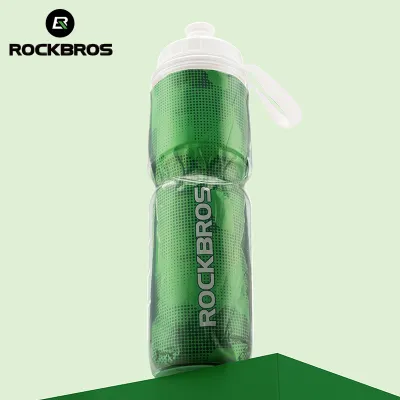
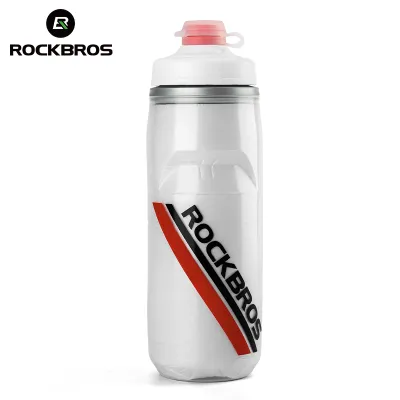
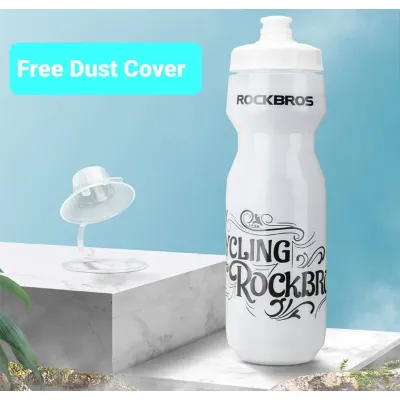
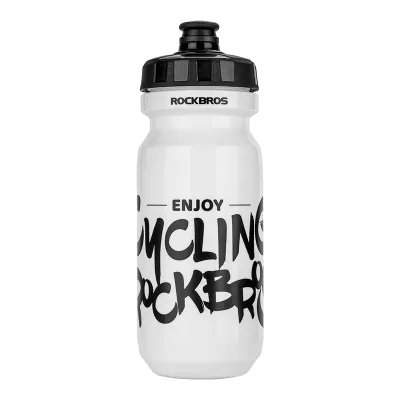
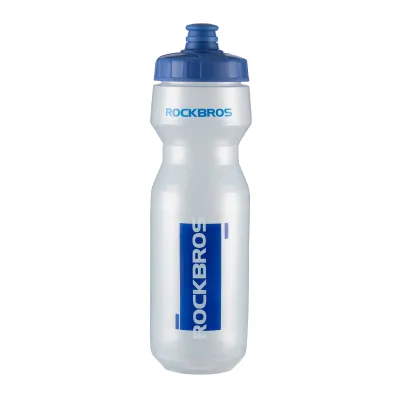
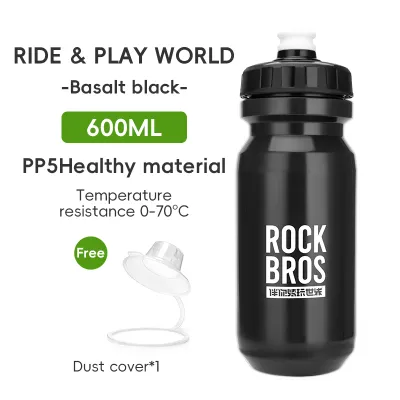
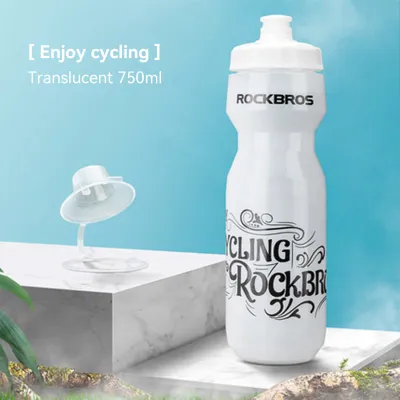
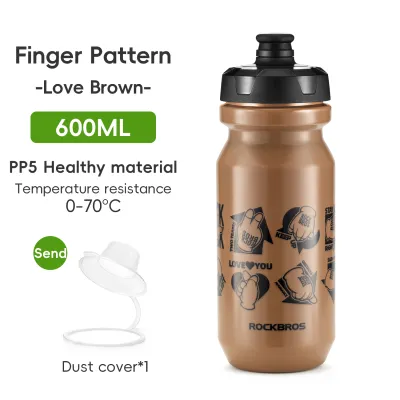
Prices are valid at publication and may change. Please refer to the product page for the latest price.
Some high-performance insulated bottles also feature an internal copper lining on the outer surface of the inner wall. This copper layer acts as a radiant barrier, reflecting thermal radiation away from the cold liquid inside. When selecting a bottle for use in Singapore’s climate, verifying whether a product includes this additional copper plating can be a strong indicator of superior thermal resistance.
Lid design is another critical factor where thermal energy is frequently lost. While the metal body of a bottle may be highly insulated, the lid is typically made of plastic, which has different thermal properties. Warm air can infiltrate the bottle through poor gasket seals or open spout designs. High-quality silicone gaskets that create an airtight seal are essential for preventing warm air from entering and cold air from escaping.
Finally, the surface area-to-volume ratio plays a significant role in how quickly ice melts. A larger volume of liquid retains its temperature longer than a smaller volume because it has less surface area exposed to external heat relative to its total mass. Consequently, a 1-litre bottle will generally keep drinks cold longer than a 500-millilitre bottle of identical construction under the same environmental conditions.
Evaluating Rockbros Water Bottles for Temperature Control
Rockbros is widely recognized for producing practical, budget-friendly cycling and sports accessories. When evaluating their insulated water bottles, the primary construction material is typically food-grade 304 stainless steel for the inner wall. This material is highly resistant to corrosion and rust, which is particularly important in Singapore’s humid coastal environment where sweat and moisture can quickly degrade lower-grade metals.

The exterior of these bottles often features a powder-coated or matte finish. This surface treatment serves two practical purposes: it prevents condensation from forming on the outside of the bottle (commonly referred to as sweating) and provides a textured grip. A secure grip is essential when handling a bottle with sweaty hands during a high-intensity workout or while riding a bicycle on uneven paths.
Lid configurations on Rockbros bottles vary depending on the specific model, ranging from integrated straw lids to classic screw caps and flip-top spouts. While straw lids and flip-tops offer excellent convenience for one-handed operation while riding or running, they introduce more joints, seals, and air pathways. These moving parts can slightly reduce the overall insulation efficiency compared to a solid, fully insulated screw cap that seals directly against the neck of the bottle.
It is also important to inspect the quality of the plastic components used in the lids. Look for food-grade, BPA-free plastics that do not warp or degrade when exposed to sunlight and repeated washing. A warped lid or a worn silicone gasket will compromise the airtight seal, leading to rapid ice melt and potential leaks in your gear bag.
Rockbros vs. Competing Brands: Specification Comparison
When comparing Rockbros to other sports bottle brands available on local ecommerce platforms, evaluating physical specifications is more reliable than comparing unverified temperature retention claims. Weight, portability, lid durability, and price-to-capacity ratio are the most practical metrics for daily use.
For active sports like cycling or trail running, the weight of an empty bottle is a crucial consideration. Double-wall vacuum-insulated stainless steel bottles are inherently heavier than single-wall plastic or aluminum alternatives. If you are mounting the bottle on a bicycle frame, you must balance the desire for ice-cold water against the added weight of the container. Premium outdoor brands often use thinner, high-tensile steel to reduce weight, while budget-friendly options may use slightly thicker, heavier steel walls.
Lid durability and leak resistance are also critical when you are in motion. A bottle that leaks when tilted or placed horizontally in a backpack is impractical, regardless of how cold it keeps your drink. Look for robust locking mechanisms on flip-tops and deep threads on screw caps to ensure a secure closure.
| Specification | Rockbros Insulated Series | Premium Outdoor Brands | Lightweight Sports Flasks |
|---|---|---|---|
| Primary Material | Food-grade 304 stainless steel | Food-grade 18/8 stainless steel | Single-wall steel or plastic |
| Insulation Type | Double-wall vacuum | Double-wall vacuum | None (single-wall) |
| Typical Lid Options | Straw, flip-top, screw cap | Wide-mouth, straw, chug lid | Push-pull sports cap, screw cap |
| Bike Cage Fit | Often designed for standard cages | Varies (check diameter) | Standard fit |
| Dishwasher Safety | Hand wash recommended | Varies by model and finish | Typically dishwasher safe |
Making the Final Decision: Which Bottle Fits Your Needs?
Choosing the right sports water bottle requires matching the product’s specifications to your primary activities and budget. There is no single option that excels in every scenario, so identifying your priorities is the first step toward a successful purchase.
You should consider a Rockbros insulated bottle if you are looking for a budget-friendly option that offers reliable double-wall vacuum insulation without a premium price tag. These bottles are particularly well-suited for cyclists who need a durable container that fits securely into standard bicycle bottle cages, as well as gym-goers who appreciate a sweat-proof exterior that is easy to grip during workouts.
On the other hand, premium alternative brands may be more suitable if you require specialized high-flow sports caps, verified long-term manufacturer warranties, or certified thermal performance ratings for extended outdoor expeditions. These premium options often feature proprietary lid designs that maximize flow rate while maintaining a tight thermal seal, though they typically come at a higher price point in S$.
Neither option may be appropriate if your primary activity is trail running or fastpacking, where minimizing weight is the absolute priority. In these high-exertion scenarios, single-wall plastic bottles or soft flasks are generally superior because they are lightweight, compressible, and easy to carry in a running vest, even though they offer virtually no temperature insulation.
Before making your final purchase, always verify the physical dimensions of the bottle. Measure the outer diameter to ensure it will fit into your specific bicycle bottle cage, backpack side pocket, or car cup holder. A bottle that is too wide or too narrow for your carrying system will be inconvenient to use, regardless of its insulation capabilities.
Practical Habits to Maximize Insulation Performance
Regardless of the brand you choose, you can significantly improve cold retention by adopting a few simple, brand-agnostic habits. These practices help minimize initial heat absorption and slow down the rate at which ice melts in tropical conditions.
First, try pre-chilling your empty bottle before filling it with your beverage. You can do this by filling the bottle with cold tap water and letting it sit for a few minutes, or by placing the empty bottle in the refrigerator. This cools down the inner stainless steel wall so that it does not immediately absorb heat from your cold drink when you fill it. Never place a stainless steel vacuum bottle in the freezer, as the expansion of freezing liquids can permanently damage the vacuum seal.
Second, optimize your ice-to-liquid ratio. Using larger, solid ice blocks rather than crushed ice will slow down the melting process significantly because larger blocks have less surface area exposed to the liquid. If you use your bottle frequently, consider purchasing silicone ice molds designed to create large cylindrical ice blocks that fit easily through the mouth of your sports bottle.
Finally, protect your bottle from direct environmental heat sources during your activities. When cycling, try to mount your bottle in a position that receives some shade from your frame, or store it inside an insulated sleeve within your backpack. When resting outdoors, keep the bottle out of direct sunlight and off hot concrete surfaces, as these external heat sources will rapidly transfer thermal energy through the plastic lid and neck of the bottle.
Frequently Asked Questions (FAQ)
Does a matte exterior finish improve cold retention?
No, a matte or powder-coated exterior finish does not directly improve the thermal insulation of a water bottle. The primary driver of cold retention is the double-wall vacuum gap inside the bottle’s structure. The matte finish is designed to provide a secure, non-slip grip when your hands are wet and to prevent condensation from forming on the outer surface, making the bottle easier to handle during outdoor activities.
Are insulated sports bottles suitable for hot drinks?
While double-wall vacuum insulation is highly effective at retaining both hot and cold temperatures, many sports-specific lids are not designed for hot liquids. Lids with straws, flip-tops, or push-pull spouts can trap steam, causing pressure to build up inside the bottle. This pressure can lead to hot liquid spraying out unexpectedly when the lid is opened, posing a burn risk. If you plan to carry hot beverages, always check the manufacturer’s guidelines and use a standard, solid screw cap instead of a sports lid.

Community discussion
Share your experience or ask a question. Comments are reviewed before publication.