
A beginner starting rockfish fishing needs a versatile, durable setup that balances sensitivity with structural strength. The ideal starting point is a medium to medium-heavy spinning rod (around 7 to 8 feet) paired with a 3000-series saltwater-rated spinning reel. This combination provides the necessary leverage to cast from rocky shores, the sensitivity to feel subtle bites near underwater structures, and the corrosion resistance required for harsh marine environments. By focusing on these core specifications, new anglers can avoid the common pitfalls of using underpowered or easily damaged gear.
Starting with a reliable spinning combo allows you to master basic casting and line management before investing in highly specialized, expensive custom gear. Beginners should prioritize ease of use, durability, and safety over niche setups. Because rockfish inhabit rugged, high-energy coastal zones, your equipment must be capable of handling sudden loads and abrasive contact without failing.
Fishing from rocky coastlines, breakwaters, or concrete jetties introduces significant physical hazards. Slippery surfaces, sudden swells, and sharp barnacles require proper preparation and caution. No piece of high-end tackle can replace personal safety awareness, stable footwear with excellent grip, and a solid understanding of local tide charts. Always assess the sea conditions and your physical limits before setting up your gear, and never fish alone in unfamiliar or exposed rocky areas.
Products mentioned in this guide
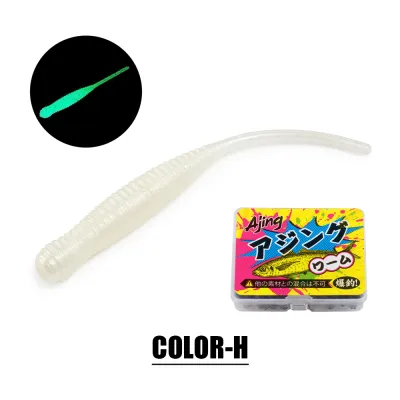
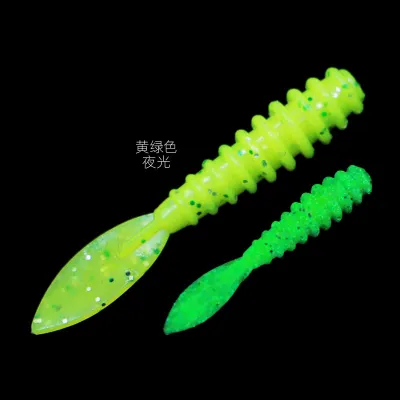
Prices are valid at publication and may change. Please refer to the product page for the latest price.
What Makes Rockfish Gear Different?
Rockfish live in and around jagged underwater structures, including submerged boulders, coral reefs, concrete breakwaters, and deep rocky ledges. These environments present unique challenges that standard fishing gear is not designed to handle. Because these fish are ambush predators, they strike quickly and immediately retreat into the nearest crevice or cave. This behavior requires gear that can apply immediate stopping power to prevent the fish from securing itself deep within a rock pile.
If your rod is too soft or your line lacks sufficient abrasion resistance, a hooked fish will easily dive into a crevice, wrapping your line around sharp rocks and causing an immediate break. Your tackle must have the pulling power to steer the fish away from cover instantly. This means your rod must have a stiff backbone, and your reel must feature a smooth, reliable drag system that can handle sudden, high-tension runs without slipping.
Furthermore, the marine environment is incredibly hostile to mechanical equipment. Saltwater intrusion can destroy standard freshwater gear within a few trips. Salt crystals form inside bearings, gears, and drag washers, leading to corrosion, binding, and eventual mechanical failure. Rockfish gear must feature specialized sealing, corrosion-resistant alloys, or composite materials to withstand constant exposure to salt spray, splashing waves, and high humidity.
The physical terrain also influences gear design. Rocky shorelines, concrete breakwaters, and natural cliffs require rods that can handle high-angle retrieves and lift fish over ledge obstacles. The gear must balance this rugged durability with enough sensitivity to detect light, tentative bites in deep water or strong currents. Understanding these environmental demands is essential for selecting gear that will perform reliably and last for multiple seasons.
Choosing Your First Rockfish Fishing Rod
Selecting the right rod involves balancing length, power, and action to match your primary fishing venue. For beginners, a rod length of 7 to 8 feet (approximately 2.1 to 2.4 meters) is highly versatile. This length provides sufficient casting distance to clear nearshore shallow rocks while remaining manageable to transport and handle on cramped piers or uneven rocky ledges. If you plan to fish exclusively from a boat or kayak, a shorter rod of 6 to 6.5 feet offers better maneuverability, whereas dedicated shore anglers often prefer 8.5 to 9-foot rods to maximize casting distance and clear high shoreline ledges.

Rod power refers to the amount of force required to bend the rod. For beginner rockfish applications, a medium (M) or medium-heavy (MH) power rating is highly recommended. A medium-power rod offers excellent versatility for lighter lures and smaller species, while a medium-heavy rod provides the backbone needed to pull larger, stubborn fish out of deep rocky crevices before they can snag your line. Avoid ultra-light rods when starting out in heavy cover, as they lack the lifting power required to control a fish’s run.
Rod action describes where the rod bends along its blank. Fast (F) or extra-fast (XF) action rods bend primarily near the tip. This design is ideal for rockfish because it offers high sensitivity to detect subtle bites and allows for rapid hook sets. The stiff mid-section and butt of a fast-action rod provide the immediate leverage needed to halt a fish’s downward dive. Moderate-action rods, which bend deeper down the blank, are less suitable for heavy cover as they give the fish too much leeway to run into rocks.
When evaluating rod materials, look for high-quality graphite (carbon fiber) or fiberglass-graphite composites. Graphite offers superior sensitivity and lightweight handling, which reduces fatigue during long casting sessions. However, composite rods provide added durability and impact resistance, making them more forgiving if accidentally bumped against hard rocks.
Pay close attention to the rod guides and reel seat. Saltwater-grade guides, such as those made from stainless steel frames with ceramic inserts (like aluminum oxide or silicon carbide), are essential. These materials resist the abrasive wear of braided lines and prevent the formation of green rust caused by saltwater exposure. Check that the reel seat features a secure, corrosion-resistant locking mechanism to keep your reel firmly attached under heavy loads.
Selecting a Reel for Rocky and Salty Conditions
For beginners, a spinning reel is almost always the superior choice over a baitcasting reel. Spinning reels are highly intuitive, easy to cast without risking backlashes (line tangles or “bird’s nests”), and perform exceptionally well with lighter lures and windy coastal conditions. Baitcasting reels offer excellent winch power and precise casting control, but they require a steep learning curve that can lead to frustration on the water, especially when dealing with coastal crosswinds.
When selecting a spinning reel size, look for models in the 3000 to 4000 range. A 3000-size reel strikes an excellent balance, offering sufficient line capacity for heavy braided lines while keeping the overall weight of your setup low enough to prevent wrist fatigue. If you target larger species or fish in deep water with heavy sinkers, a 4000-size reel provides a larger spool and stronger drag capacity.
The gear ratio of a reel determines how many times the spool spins for every turn of the handle. For rockfish, a moderate to high gear ratio (such as 5.8:1 to 6.2:1) is highly advantageous. A faster retrieve speed allows you to quickly pick up slack line and crank the fish away from sharp rocks immediately after setting the hook. It also makes retrieving empty rigs faster, saving energy over a long day of fishing.
A smooth, powerful drag system is critical for stopping powerful runs. Look for reels equipped with carbon fiber drag washers, which provide consistent pressure without slipping or jerking under heavy loads. Verify the maximum drag rating on the manufacturer’s specification sheet; a minimum of 5 to 7 kilograms of drag pressure is recommended to control rockfish in heavy structure.
Corrosion resistance is the single most important factor for reel longevity in marine environments. Inspect the reel specifications for sealed body designs, shielded or sealed stainless steel ball bearings, and corrosion-resistant alloy or composite frames. Many manufacturers use proprietary sealing technologies to protect the internal gearbox and drag system from water intrusion. Avoid cheap, unsealed freshwater reels, as salt spray will quickly compromise their internal components, leading to a rough retrieve and eventual seizure.
Pre-Matched Combos vs. Building a Custom Setup
One of the first decisions a beginner must make is whether to purchase a pre-matched rod and reel combo or assemble a custom setup from individual components. Pre-matched combos are highly popular for good reason: they are designed by manufacturers to ensure the rod’s power and action perfectly complement the reel’s size and drag capacity. This eliminates the guesswork for beginners, allowing you to get onto the water quickly with a balanced setup. Combos are also highly cost-effective, often priced significantly lower than purchasing the equivalent rod and reel separately.
However, pre-matched combos do have limitations. Manufacturers sometimes pair a high-quality rod with a mediocre reel, or vice versa, to keep the price point attractive. Additionally, combos may not offer the exact specifications—such as a specific guide material or a highly sealed reel—that your local fishing environment demands.
Building a custom setup allows you to select each component based on your specific target species, fishing style, and local conditions. You can pair a highly sensitive, premium graphite rod with a fully sealed, durable saltwater reel. This approach provides a more tailored tool that can grow with your skills and easily accept future upgrades. The downside is a higher initial cost and the requirement of a deeper understanding of tackle specifications to avoid pairing mismatched components.
For beginners on a budget, a sensible allocation strategy is to spend approximately 60% of your budget on a high-quality, corrosion-resistant reel and 40% on the rod. A reel has many moving parts that are highly vulnerable to saltwater damage, making it the component most likely to fail if quality is compromised. A decent, durable composite rod will still perform exceptionally well even if it lacks the extreme sensitivity of high-end carbon fiber models.
Building Your Beginner Rockfish Shortlist
Before making your final purchase, compile a shortlist of potential rods and reels and run them through a systematic verification process. First, check the manufacturer’s specifications printed on the rod blank (just above the handle). Ensure the recommended line weight (e.g., 10–20 lb braid) and lure weight (e.g., 1/4 to 1 ounce) align with the reel’s line capacity and the weight of the rigs you plan to cast. A mismatched setup—such as casting a heavy 2-ounce sinker on a light-power rod—can lead to poor casting performance or even a broken rod tip.
Next, verify the saltwater readiness of each component. Look for explicit mentions of “saltwater-rated,” “sealed drag,” “shielded bearings,” or “anti-corrosion coatings” in the product descriptions. If buying online, read user reviews specifically looking for feedback on long-term durability in marine environments. Check the manufacturer’s warranty terms; a reliable brand will often offer a one- or two-year warranty covering material defects and corrosion issues.
If possible, visit a local tackle shop to handle the gear in person. Mount the reel onto the rod to check the overall balance. A well-balanced setup should feel comfortable in your hand, with the center of gravity resting near the top of the reel seat. This physical check ensures you will not experience premature wrist fatigue during long casting sessions.
Finally, consult with local anglers or tackle shop staff regarding the specific rockfish species in your area. Different regions have unique underwater topography and target species, which may require slight adjustments to your gear choices. For instance, fishing deep, fast-flowing channels around breakwaters may require heavier sinkers and a stiffer rod than fishing shallow, calm rocky pools. Local expertise is invaluable for fine-tuning your shortlist to match your immediate environment.
Frequently Asked Questions (FAQ)
Can I use my existing freshwater bass setup for rockfish?
Yes, you can temporarily use a medium-power freshwater bass setup for rockfish, but you must take strict precautions. Freshwater reels lack the specialized seals and corrosion-resistant bearings found in saltwater gear. Exposure to salt spray and saltwater will quickly lead to internal rust and mechanical failure if not addressed. If you use freshwater gear, you must thoroughly rinse the entire setup with a gentle stream of fresh water immediately after every trip. Avoid using high-pressure water, which can force salt and moisture deeper into the reel’s internal gears. Additionally, freshwater drag systems may lack the heat dissipation and smooth pressure required to stop powerful marine fish, so keep your drag settings conservative and inspect the line frequently for abrasion.
What line type and strength should I pair with my new rockfish rod?
For beginner rockfish fishing, a braided main line paired with a fluorocarbon leader is highly recommended. Braided line offers an extremely thin diameter relative to its strength, allowing for longer casts and deeper water penetration. It also has zero stretch, providing maximum sensitivity to feel light bites and deliver solid hook sets. A braid strength of 15 to 30 pounds is ideal for most beginner scenarios. Because braid has poor abrasion resistance against sharp rocks, you must tie a 3 to 5-foot leader of 15 to 25-pound fluorocarbon line to the end. Fluorocarbon is highly abrasion-resistant, nearly invisible underwater, and provides a small amount of shock absorption to prevent your knots from slipping or snapping during a hard strike.

Community discussion
Share your experience or ask a question. Comments are reviewed before publication.