
Standard yellow tennis balls are generally the default choice for beginners due to their high visibility on most courts and alignment with official match standards. However, RS black tennis balls or similar dark-colored alternatives may offer specific advantages depending on your practice environment, lighting conditions, and visual training goals. The better choice ultimately depends on where you play most often and what you need to track the ball effectively, rather than one color being universally superior.
For a beginner stepping onto the court, selecting the right equipment is a critical step in developing clean strokes, consistent timing, and spatial awareness. While the classic optic yellow ball is the undisputed global standard, alternative options like RS black tennis balls have emerged to challenge traditional assumptions. The short answer is that standard yellow tennis balls remain the most practical and versatile choice for the vast majority of beginners because they offer maximum visibility under diverse lighting conditions and prepare you for standard match play. However, black tennis balls are not merely a novelty; they serve as a specialized training tool that can enhance visual tracking, provide high contrast on specific light-colored courts, and help players focus intensely on the contact point of the racket.
Choosing between them is not a matter of finding a universally superior ball, but rather matching the ball’s characteristics to your primary playing environment and training goals. Beginners must learn to look past the striking visual difference of the felt and evaluate the underlying construction of the ball, such as whether it is pressurized or pressureless. By understanding how color, court surface, and lighting interact, you can make an informed decision that supports your skill development without wasting money on unsuitable gear.
Products mentioned in this guide
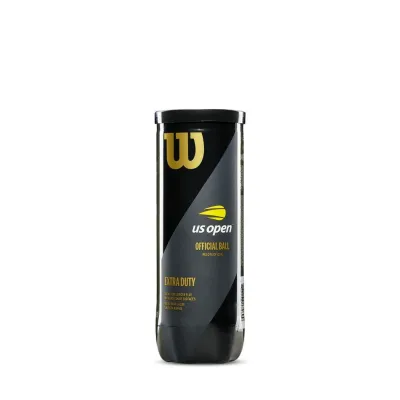
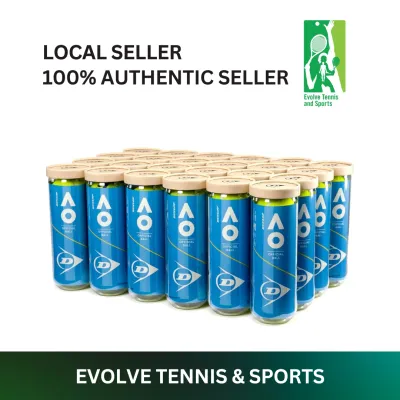
![[BUY 4 CANS AT PRICE OF 3] Wilson Roland Garros Official Tennis Ball (4 pack) 12 Tennis Balls - WRT126400](https://img.lazcdn.com/g/p/4b52d391f3793ac32a46d48e692bb110.jpg_400x400q80.jpg_.webp)
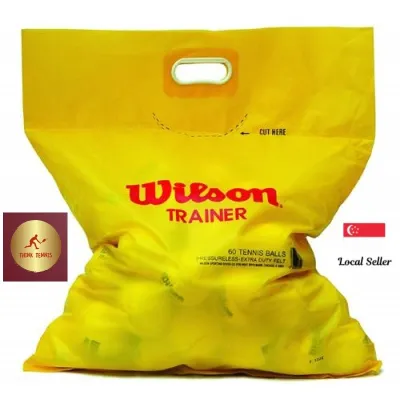
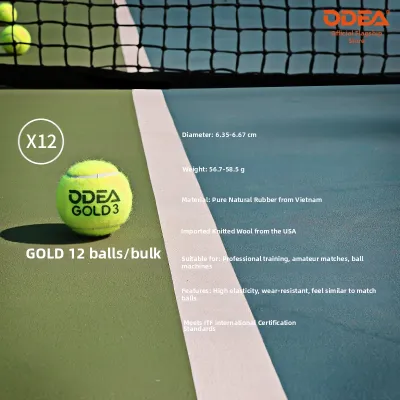
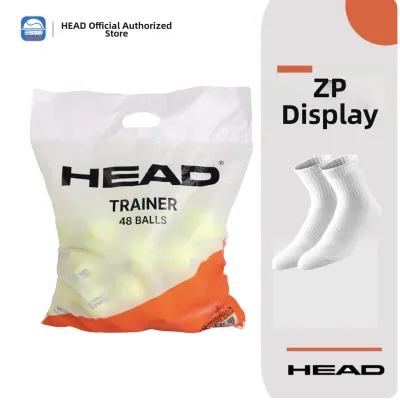
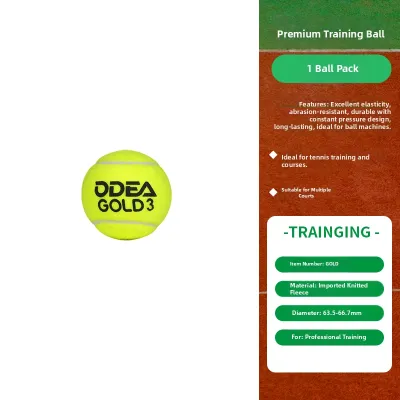
Prices are valid at publication and may change. Please refer to the product page for the latest price.
Understanding the Core Differences Between Black and Yellow Tennis Balls
To make an informed choice, it is essential to understand why these two options exist and how they are designed to perform. Standard yellow tennis balls, often referred to as optic yellow, were introduced following research that showed they were the easiest color for television viewers and on-court players to track. Today, they are the universal standard approved by international tennis federations for competitive play. This widespread acceptance means that almost every tennis court, coaching program, and local tournament relies on yellow balls, making them the baseline experience for anyone learning the sport.
RS black tennis balls, developed by premium tennis brands, represent a deliberate departure from this norm. Rather than aiming for universal tournament play, black tennis balls are designed for specific niche applications, such as contrast training and aesthetic preference on light-colored indoor or outdoor courts. Some coaches use dark-colored balls to train a player’s eyes to track the ball more actively, as a black ball does not “glow” in the peripheral vision the way an optic yellow ball does. When considering these balls, it is important to check the manufacturer’s specifications on the packaging to understand their intended use, as they are often engineered for specific court types or training regimens.
Beyond the color of the felt, the core construction of the ball is what truly dictates how it behaves when it strikes the racket and the court. Tennis balls are broadly categorized into pressurized and pressureless varieties. Pressurized balls are filled with compressed gas, offering a lively bounce and a soft, comfortable feel on impact, but they gradually lose their bounce over a few weeks as the gas escapes. Pressureless balls rely on a thicker, more resilient rubber core for their bounce, making them highly durable and consistent over months of play, though they feel heavier and stiffer. Beginners must verify these details on the packaging, as a pressurized black ball and a pressureless yellow ball will perform completely differently, regardless of their exterior color.
Key Comparison Dimensions for Beginners
When you are first learning to play tennis, your primary focus should be on developing clean contact with the ball and establishing a consistent rhythm. The visual tracking of the ball is the first step in this process. Optic yellow balls are highly visible against traditional dark green, blue, or red clay courts, allowing your brain to quickly calculate the ball’s trajectory, speed, and spin. However, if you are playing on a court with light-colored background fencing, bright concrete surrounds, or a surface that mimics the yellow hue, tracking can become difficult. In these specific scenarios, a black tennis ball provides a stark, sharp contrast that can make it easier to isolate the ball against a busy or bright background.

Durability and felt quality are also critical factors for beginners who want to maximize their practice time. The lifespan of a tennis ball is determined by the quality of the woven felt and the thickness of the inner rubber core, not by the color of the dye used. High-quality felt resists fluffing and maintains a consistent aerodynamic profile, while a robust rubber core prevents the ball from going “dead” too quickly. When shopping, look for terms like “extra duty” on the packaging if you play primarily on hard courts, as this indicates a more durable felt weave designed to withstand abrasive surfaces, whether the ball is yellow or black.
The feel and bounce consistency of the ball directly affect how quickly a beginner can build muscle memory. Pressurized balls provide a predictable, standard bounce height that aligns with what you will experience in normal play, but they require frequent replacement. Pressureless balls, while highly durable for ball machine practice or casual hitting, can feel like hitting a stone if you are not used to their stiffer construction. Beginners should check the label carefully to ensure they are comparing similar pressure types; comparing a premium pressurized yellow ball to a basic pressureless black ball will yield vastly different results in terms of arm comfort and playability.
Matching the Ball to Your Practice Environment
Your physical playing environment plays a massive role in determining which ball color will serve you best. In outdoor settings, ambient sunlight can vary from blinding midday glare to the soft, shifting shadows of late afternoon. Standard yellow balls excel in bright sunlight because their fluorescent dye reflects light efficiently, making them easy to spot even in your peripheral vision. Conversely, under intense evening floodlights on outdoor courts, some players find that yellow balls can create a slight glare or “halo” effect, whereas a black ball offers a solid, matte silhouette that remains highly defined against the dark night sky.
Court surface contrast is another practical consideration, especially in urban environments like Singapore, where public and private courts may feature unique color schemes, multi-purpose concrete surfaces, or nearby high-rise backdrops. If your regular court is a light grey, beige, or faded blue hard court, a standard yellow ball can occasionally blend into the background, particularly when moving at high speeds. In such cases, using a black tennis ball can be a highly practical alternative, providing a clear visual target that stands out sharply against light-colored concrete or pale green surfaces.
Climate conditions also demand careful attention, particularly in regions characterized by high humidity and heat. Tropical climates can accelerate the degradation of both the rubber core and the felt of any tennis ball. High humidity can cause the felt to absorb moisture, making the ball heavy and sluggish, while extreme heat can expand the compressed gas inside pressurized balls, temporarily altering their bounce before they prematurely lose pressure. To protect your investment, store your tennis balls in a cool, dry place away from direct sunlight, and consider using a pressurized storage container to extend the life of pressurized models, regardless of whether they are yellow or black.
Decision Framework: Which Ball Should You Buy?
To finalize your decision, it is helpful to weigh your specific playing conditions, training goals, and budget. For most beginners, starting with standard yellow balls is the most logical path because they prepare you for the standard conditions of the sport. However, incorporating black balls can be a valuable addition to your gear bag under the right circumstances.
You should choose Standard Yellow if:
- You play primarily on standard blue, green, or red clay outdoor courts.
- You plan to take formal lessons, join social leagues, or enter local tournaments where standard balls are mandatory.
- You want the most widely available and cost-effective option for regular practice.
- You prioritize maximum visibility in bright, direct sunlight.
You should choose RS Black if:
- You play on specific light-colored or indoor courts where yellow balls blend into the background.
- You want a specialized training tool to improve your visual focus and tracking habits during practice drills.
- You prefer a unique, modern aesthetic for casual hitting sessions with friends.
- You have verified that the ball's construction (pressurized or pressureless) matches your playability needs.
Before making a purchase, always verify the specifications listed on the packaging of the RS black tennis balls. Ensure you know whether you are buying a pressurized ball for optimal feel or a pressureless ball for long-term durability. Additionally, perform a quick value check by comparing the price per ball in S$ across reputable local sports retailers and online marketplaces. While specialty balls like the RS black series may carry a slight premium due to their niche production, they should still offer reasonable value relative to their expected lifespan and your practice volume.
Frequently Asked Questions (FAQ)
Do black tennis balls last longer than yellow ones?
No, the color of the felt does not affect the durability or lifespan of a tennis ball. The longevity of any tennis ball is determined by its inner construction—specifically whether it is pressurized or pressureless—and the quality of the rubber and felt materials. A pressurized black ball will lose its bounce at the same rate as a pressurized yellow ball of similar quality, while a pressureless ball of either color will maintain its bounce for a significantly longer period.
Can I use black tennis balls in official local tournaments?
Generally, no. Official tennis tournaments and leagues sanctioned by governing bodies require the use of approved optic yellow or white tennis balls to ensure standard visibility for players, officials, and spectators. Black tennis balls are excellent for personal practice, casual recreational matches, and specialized training drills, but they are not permitted in official competitive play.
How should I store my tennis balls to maintain their bounce?
To preserve the bounce and felt quality of your tennis balls, store them in a cool, dry environment away from direct sunlight and extreme temperature fluctuations. High heat and humidity can degrade the rubber core and cause pressurized balls to lose their gas more quickly. Keeping them in their original sealed cans until you are ready to play, or using a specialized pressure-retaining storage tube, will help maximize their usable lifespan.

Community discussion
Share your experience or ask a question. Comments are reviewed before publication.