
Finding a single air pump that reliably handles the diverse pressure and volume needs of cycling tires, sports balls, and pool inflatables can be challenging. Rather than relying on generic claims, this guide provides the evaluation criteria and compatibility checks you need to build a reliable shortlist of versatile air pump options available in Singapore, ensuring your chosen device performs safely across all your sports equipment.
In a compact living environment like a typical Singapore apartment, minimizing clutter is a priority. Owning separate pumps for bicycle tires, footballs, and leisure inflatables is highly impractical and takes up valuable storage space. A single, well-chosen multi-purpose pump can streamline your sports gear maintenance, provided you select a model that balances high-pressure capability with high-volume output.
Understanding Multi-Purpose Air Pump Compatibility
To select a truly versatile air pump, you must first understand the physical differences in how various sports equipment holds air. Sports gear generally falls into two distinct categories: high-pressure/low-volume or low-pressure/high-volume. Attempting to inflate an item using a pump designed for the opposite category can lead to physical exhaustion, equipment damage, or pump failure.
Products mentioned in this guide
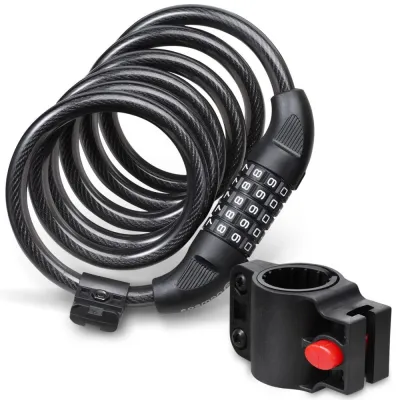
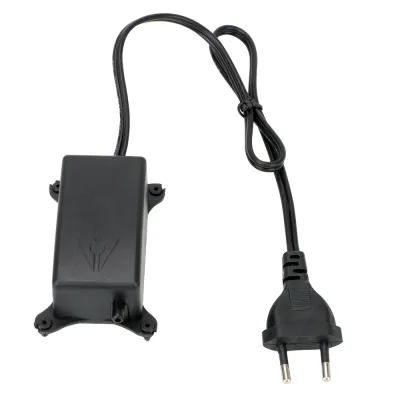
Prices are valid at publication and may change. Please refer to the product page for the latest price.
High-pressure, low-volume items require a pump that can overcome significant resistance to force small amounts of air into a tight space. Road bicycle tires are the classic example, often requiring pressures between 80 and 110 pounds per square inch (PSI). Because the actual volume of air inside a bicycle tire is relatively small, the pump does not need to move massive amounts of air with each stroke, but it must be structurally capable of handling high resistance.
Conversely, low-pressure, high-volume items require a pump that can move large quantities of air quickly but at very low resistance. Swimming rings, inflatable kayaks, and air-filled gym mats fall into this category. These items typically require less than 5 PSI to take shape, but they contain hundreds of liters of air. Using a high-pressure bicycle pump to inflate a large pool float would require thousands of strokes and could take hours, while also causing excessive wear on the pump’s internal seals.
Valve compatibility is another critical factor when evaluating different brands. Sports equipment utilizes several distinct valve standards. Presta valves are narrow, threaded valves commonly found on high-performance road and gravel bicycles. Schrader valves are wider, spring-loaded valves standard on mountain bikes, utility bicycles, and car tires. Sports balls, such as footballs and basketballs, require a narrow needle valve that penetrates a self-sealing rubber port. Finally, large inflatables use wide plastic pinch valves or threaded Boston valves to allow rapid airflow.
A versatile air pump must either feature a multi-valve head that natively accepts both Presta and Schrader valves or include a secure, leak-free adapter system. When looking at different brands, verify that the pump’s maximum PSI rating and airflow volume align with the most demanding item in your collection. If you own a road bike, a pump rated for at least 120 PSI is essential, even if you also use it for low-pressure pool toys.
Key Features to Evaluate in Versatile Air Pump Brands
When comparing air pump brands in the Singapore market, look beyond basic marketing claims and focus on specific design features that indicate long-term durability and usability. A high-quality multi-purpose pump must withstand frequent pressure changes and physical wear.

Assess the build quality of the pump barrel and base. Brands that utilize seamless steel or aluminum barrels generally offer better heat dissipation and structural integrity than those using thin plastic. Pumping air generates friction and heat; a metal barrel helps dissipate this heat, protecting the internal piston seals from premature degradation. The hose should be constructed from reinforced, braided rubber to prevent kinking, bulging, or cracking under high pressure, especially in Singapore’s warm and humid climate.
The completeness and storage of the adapter kit are equally important. A versatile pump is useless if you cannot find the specific needle or plastic nozzle required for your gear. Look for brands that feature integrated storage compartments on the pump body or handle. This design keeps small adapters secure and readily accessible, preventing them from getting lost in your home storage shelter or gear bag.
Pressure gauge accuracy and readability are vital for protecting your sports equipment from damage. A dual-scale display showing both PSI and Bar standards allows you to read specifications directly from your equipment’s sidewalls without performing mental conversions. For digital pumps, verify that the screen is bright enough to read in direct sunlight, which is particularly important when inflating gear outdoors at local parks or beaches.
Ergonomics play a significant role in how comfortable a manual pump is to use. A wide, stable base made of cast iron or heavy-duty composite material prevents the pump from tipping over when you step on it. The handle should feature a comfortable, non-slip rubber grip that provides a secure hold even when your hands are sweaty from outdoor activities. For foot pumps, look for a textured pedal that prevents your shoe from slipping during use.
Matching Pump Mechanisms to Your Sports Gear
Choosing the right pump mechanism requires balancing physical effort, inflation speed, and portability. Manual and electric pumps deliver air differently, making each suited to specific primary tasks.
Floor and Hand Pumps for High-Pressure and Precision Needs
Floor pumps, also known as track pumps, are the most efficient manual option for high-pressure applications. Their long, vertical barrels allow you to use your upper body weight to compress air, making it relatively easy to reach high PSI levels with minimal physical strain. This makes them the ideal choice for home garage setups and serious cyclists who need to check and top up their tire pressure before every ride.
Hand pumps offer excellent portability but are limited by their small air chambers. They are designed primarily for emergency roadside use or carrying in a backpack during long cycling trips. Because of their compact size, inflating a tire to high pressure requires significant physical effort and hundreds of strokes, making them less practical for routine home maintenance or high-volume inflatables.
Electric and Foot Pumps for High-Volume Inflatables
Portable electric pumps have gained popularity for their convenience and ease of use. Powered by rechargeable lithium-ion batteries, these compact devices can inflate large swimming rings, air mattresses, and gym mats in minutes without manual labor. They are highly convenient for family outings to East Coast Park or Sentosa, though you must monitor their battery levels and allow the motor to cool down between heavy tasks.
Foot pumps provide a mechanical compromise, utilizing your leg muscles to compress air. They are typically more compact than floor pumps and require less upper-body strength than hand pumps. However, before purchasing a foot pump, you must verify its maximum PSI limits, as many models are designed primarily for low-pressure automotive or leisure use and may struggle with high-pressure bicycle tires.
Building Your Shortlist: What to Check Before Buying
Before finalizing your purchase of a multi-purpose air pump, create a practical checklist to verify that the model you are considering matches your specific sports gear. Start by cross-referencing the manufacturer’s specifications against your equipment list. Ensure the pump’s maximum rated PSI exceeds your highest tire requirement, and confirm that the included adapter kit contains the exact nozzle shapes needed for your inflatables.
If you are considering an electric pump, evaluate its power source requirements. USB-rechargeable models offer excellent portability for outdoor use, but you must check their battery capacity (measured in milliampere-hours, or mAh) to ensure they can complete your inflation tasks on a single charge. For home-use electric pumps, verify if they require a standard wall outlet or a 12V car adapter, which will dictate where you can use the device.
Next, research user feedback on local ecommerce platforms and sports forums. Look specifically for reviews from buyers who have used the pump for multiple types of gear over several months. Pay close attention to comments regarding seal longevity, gauge accuracy over time, and how securely the pump head clamps onto different valve types. Persistent complaints about air leaks or loose adapters are strong indicators of poor build quality.
Finally, verify the warranty terms and return policies offered by the retailer or brand. This is especially critical for electric pumps or models featuring complex digital pressure gauges, as electronic components are more vulnerable to moisture and impact damage than simple mechanical pumps. A reliable local warranty of at least six months ensures you can obtain a replacement or repair if the device fails prematurely.
Maintenance and Safety Checks for Multi-Use Pumps
Proper maintenance and safe operating habits are essential to extend the lifespan of your multi-purpose air pump and protect your sports equipment from damage. Simple routine care can prevent common failures like air leaks and torn seals.
Keep the pump’s valve adapters clean and free of debris. Dust, sand, and dirt can easily transfer from outdoor sports gear into the pump head, where they can scratch internal seals and cause slow air leaks. Store your adapters in their designated compartment or a small sealed bag when not in use. In Singapore’s humid climate, store the pump in a cool, dry indoor area to prevent the rubber hose and internal gaskets from dry-rotting or becoming sticky.
Regularly inspect the hose and connection points for signs of wear. Look for micro-cracks in the rubber, stretching near the pump head, or loose fittings where the hose connects to the barrel. High-pressure tasks put significant stress on these joints, and a damaged hose can rupture unexpectedly during use.
Safety is paramount when using a high-pressure pump on low-pressure items. Because floor pumps and electric pumps can deliver air rapidly, they can easily over-inflate and rupture thin-skinned items like swimming rings or gym mats in a matter of seconds. Always monitor the inflation process visually and tactilely. If an item does not have a specified PSI limit, stop inflating when it feels firm but still has a slight give under hand pressure. Never leave an electric pump running unattended, and always consult the equipment manufacturer’s guidelines if you are unsure of the correct pressure limits.
Frequently Asked Questions (FAQ)
Can a single air pump safely inflate both high-pressure bicycle tires and low-pressure swimming rings?
Yes, a single pump can safely inflate both types of equipment, provided it has the correct valve adapters and a readable pressure gauge. However, you must exercise caution when switching between these tasks. A pump capable of reaching 100 PSI can easily over-inflate and burst a low-pressure swimming ring, which typically requires less than 2 PSI, in just a few strokes or seconds. Always monitor the inflation process closely and rely on tactile checks for leisure items that lack precise pressure markings.
Do I need a specific adapter for inflating footballs and basketballs?
Yes, sports balls require a specialized metal or plastic inflation needle to bypass their self-sealing rubber valves. When evaluating air pumps, ensure the included adapter kit contains a sturdy needle that fits securely into the pump’s chuck or nozzle. Before inserting the needle into the ball, it is good practice to moisten it slightly with water or glycerin to prevent damaging the ball’s rubber valve core.
How do I know if an electric air pump will over-inflate my gym mat?
Many basic electric air pumps do not feature automatic shut-off sensors for low-pressure, high-volume items like gym mats. To prevent over-inflation, you must manually monitor the process and check the mat manufacturer’s recommended firmness or PSI limit. Stop the pump before the mat reaches maximum rigidity, as air inside the mat will expand when exposed to heat or direct sunlight, which can place excessive stress on the seams and lead to leaks.

Community discussion
Share your experience or ask a question. Comments are reviewed before publication.