
Selecting the right pair of Adidas gym gloves for men in Singapore requires balancing your specific training style with the demands of a humid tropical climate. Whether you are performing high-repetition kettlebell swings, heavy deadlifts, or general machine-based resistance training, the right glove acts as a protective barrier between your skin and the cold steel of the bar. To make an informed decision, you must evaluate palm padding, grip materials, wrist support, and breathability features. This guide outlines how to assess these design elements, verify your correct size, and choose a pair that withstands the demands of local fitness centers and home gym setups.
Identifying Your Lifting Style and Protection Needs
Before browsing the available options, you must analyze the specific movements that dominate your workout routine. General gym training, which typically involves a mix of resistance machines, cable pull-downs, and moderate dumbbell exercises, places a broad but less intense demand on your hands. For this style of training, a lightweight glove with moderate palm padding is usually sufficient. The primary goal here is to prevent minor friction blisters and maintain a hygienic barrier between your skin and shared gym equipment.
Heavy barbell lifting, such as powerlifting or heavy strength training, introduces much higher levels of mechanical stress. When performing heavy deadlifts, rows, or bench presses, the knurling on the barbell can grind against your palms, leading to painful calluses or skin tears. For these high-load activities, gloves with reinforced palm areas and integrated wrist support are highly beneficial. However, it is important to remember that while gloves can protect your skin and offer mild joint stabilization, they cannot replace proper lifting technique or progressive grip strength development.
Products mentioned in this guide
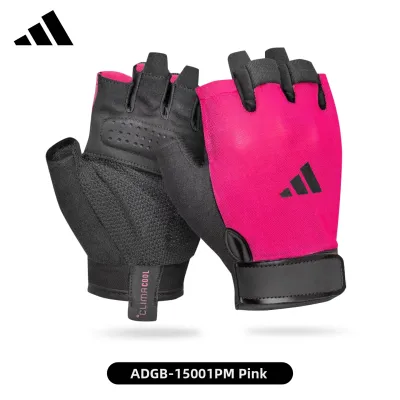
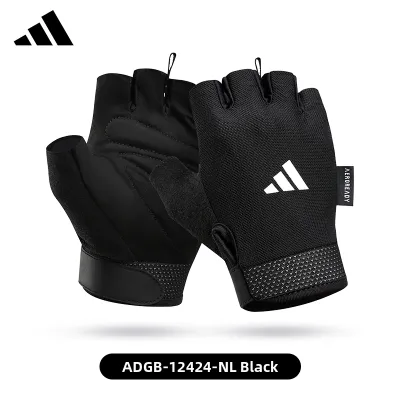
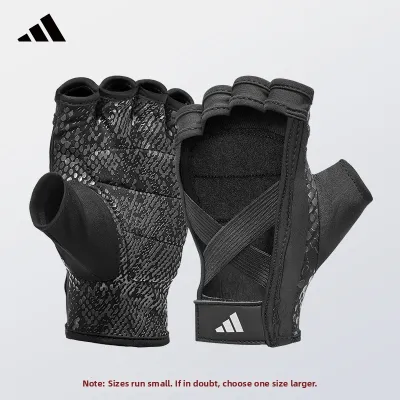
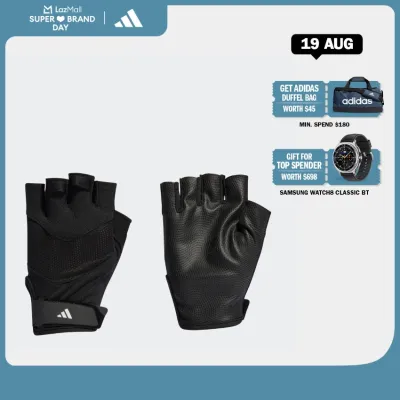
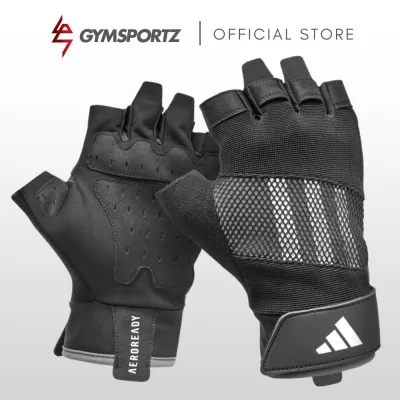
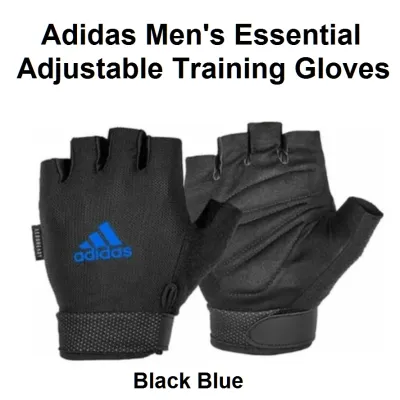
Prices are valid at publication and may change. Please refer to the product page for the latest price.
High-repetition functional fitness and cross-training workouts present a different set of challenges. These routines often combine dynamic movements like pull-ups, kettlebell swings, and barbell cleans, where your hands constantly rotate around the bar. Thick, bulky padding can interfere with your natural grip and increase forearm fatigue during these fast-paced exercises. Instead, functional fitness enthusiasts generally benefit from thinner, highly flexible gloves that prioritize grip tackiness and seam durability over heavy cushioning.
Identifying your specific hand vulnerabilities will also help you prioritize certain glove features. If you are prone to developing deep calluses that crack and bleed, thick palm padding should be your main focus. If you experience mild wrist instability or discomfort during heavy pressing movements, prioritizing a glove with an integrated, adjustable wrist wrap is a logical step. Conversely, if your main concern is maintaining a secure grip when your hands begin to sweat, you should focus heavily on the texture and material of the glove’s palm surface.
It is also worth considering when to use gloves versus training with bare hands or chalk. Many commercial gym chains and community fitness centers in Singapore have strict policies prohibiting the use of loose chalk due to cleanliness and maintenance concerns. In such environments, gym gloves serve as a practical, mess-free alternative for maintaining a secure grip. While some advanced lifters prefer the direct tactile feedback of bare hands, gloves offer a consistent level of protection and hygiene that is highly valuable for daily gym-goers.
Evaluating Core Features in Adidas Training Gloves
When evaluating the design elements of Adidas training gloves, the thickness and material of the palm padding are critical factors. Thin padding, typically ranging from one to two millimeters, offers excellent bar feel and allows you to maintain a natural grip diameter. This is particularly advantageous for pulling movements where you need to feel the bar secure in your fingers. Thick padding, often utilizing foam or gel inserts, is designed to absorb impact and distribute pressure across the palm, making it highly suitable for heavy pushing exercises like overhead presses and bench presses.

The grip enhancement technology used on the palm surface directly affects how securely you can hold onto equipment. Many modern training gloves feature silicone print patterns overlaid on synthetic backings, which provide a high level of tackiness on smooth metal or plastic handles. Other designs utilize textured synthetic leather or genuine leather patches, which offer classic durability and a reliable grip against heavily knurled barbells. When choosing, consider the equipment you use most frequently; silicone prints excel on smooth pull-up bars, while textured leather performs exceptionally well under heavy, abrasive loads.
Wrist support mechanisms vary significantly across different glove models and should match your lifting intensity. Standard elastic cuffs provide a quick, slip-on fit and allow complete freedom of movement at the wrist joint, making them ideal for general fitness and aerobic workouts. For heavier lifting, look for gloves equipped with wide, wrap-around hook-and-loop straps. These integrated wraps allow you to customize the level of compression around your wrist, helping to keep the joint aligned under heavy loads and reducing the risk of hyperextension during pressing movements.
Given Singapore’s warm and highly humid climate, breathability and moisture management are paramount. Sweaty hands inside a sealed glove can lead to slippage, discomfort, and rapid material degradation. To combat this, look for gloves that incorporate lightweight mesh panels on the back of the hand to facilitate airflow. Perforated palms and moisture-wicking fabric linings are also highly effective at drawing sweat away from your skin, helping to keep your hands dry and maintaining a secure internal fit throughout your workout session.
Additionally, the overall construction and finger length of the glove play a role in both protection and dexterity. Fingerless designs, which typically cover the first knuckle, are the most common choice for gym workouts as they provide maximum ventilation and allow you to easily operate smartphones or fitness trackers. Some models feature integrated finger pulls—small loops or extensions on the fingers—that make it much easier to pull the gloves off when your hands are sweaty and warm after an intense training session.
Verifying Sizing, Fit, and Material Longevity
To ensure your training gloves perform effectively, you must verify the correct size before making a purchase. Do not rely on your casual glove size, as athletic gloves require a much more precise fit to prevent slipping. Use a flexible measuring tape to measure the circumference of your dominant hand around the knuckles, excluding the thumb. Compare this measurement against the official Adidas sizing chart to identify your correct size, keeping in mind that a fit that is too loose will cause the material to bunch up and create friction, while a fit that is too tight will restrict blood flow.
When trying on the gloves, look for specific indicators of a proper fit. The glove should feel snug across the palm and around the fingers without causing any numbness or tingling in your fingertips. You should be able to make a tight fist comfortably, with the material stretching naturally over your knuckles without pinching. The wrist closure should secure firmly and comfortably, providing support without digging into your skin or restricting your natural range of motion when performing wrist circles.
Inspecting the construction quality is essential for ensuring the longevity of your gloves under regular training stress. Examine the stitching along high-stress areas, particularly the seam between the thumb and index finger, which bears a significant amount of friction during pulling movements. Double-stitched seams and reinforced overlays in these zones are strong indicators of durable construction. Ensure that the internal seams are flat and well-finished, as raised or rough seams can rub against your skin and cause painful chafing during workouts.
Proper care and maintenance are vital to prevent odor buildup and preserve the structural integrity of the materials, especially in Singapore’s humid environment. After every workout, remove your gloves and avoid leaving them crumpled inside a dark, damp gym bag, which creates an ideal breeding ground for bacteria and mold. Instead, wipe the exterior with a damp cloth to remove surface sweat and salt deposits. Allow the gloves to air dry completely in a well-ventilated, shaded indoor area, keeping them away from direct sunlight and artificial heat sources, which can dry out and crack synthetic materials.
If your gloves begin to develop a persistent odor, they can be cleaned using gentle methods. Hand washing is generally the safest approach to preserve the elasticity of the wrist straps and the integrity of the grip materials. Submerge the gloves in cool water mixed with a small amount of mild sports detergent, gently squeeze the soapy water through the fabric, and rinse thoroughly with clean water. Squeeze out the excess water gently without wringing or twisting the gloves, then lay them flat on a clean towel to dry in a well-ventilated space.
Purchasing Channels and Pre-Buy Verification
When acquiring sports protective gear like weightlifting gloves, purchasing through authorized channels is the best way to ensure product legitimacy and quality. Official Adidas brand stores, authorized physical sports retailers, and reputable online marketplaces offer genuine products that have undergone proper quality control. Buying from unverified third-party sellers or extremely low-priced listings on generic ecommerce platforms increases the risk of purchasing counterfeit goods, which often feature substandard stitching and materials that can fail during a heavy lift.
Before finalizing your purchase, carefully review the retailer’s return and exchange policies. Because gym gloves are classified as personal apparel and come into direct contact with sweat, many retailers in Singapore enforce strict hygiene-related restrictions. In many cases, returns or exchanges are only permitted if the product is completely unused, with all original tags attached and the packaging intact. Understanding these terms beforehand is crucial, especially if you are ordering online and are uncertain about the exact fit.
Verifying product authenticity is an important step when receiving your gloves. Genuine Adidas products feature high-quality packaging with clear, accurate product information, matching serial numbers, and official branding elements. Inspect the physical product for clean, even stitching, properly aligned logos, and a clear material composition label stitched inside the glove. Substandard packaging, misspelled words on labels, or loose, frayed threads on a brand-new product are common warning signs of a counterfeit item.
Additionally, consider the value of visiting a physical retail store to try on different styles before buying. This allows you to feel the thickness of the palm padding, test the security of the wrist wraps, and verify the sizing in real-time. If you prefer the convenience of online shopping, ensure you are purchasing from the official brand store or an authorized digital retailer, and take the time to read verified customer reviews regarding the fit and durability of the specific model you are considering.
Frequently Asked Questions (FAQ)
Should I use wrist wraps instead of gloves with built-in straps?
The choice between dedicated wrist wraps and gloves with built-in straps depends on your training focus and the level of support you require. Gloves with integrated wrist straps offer a convenient, all-in-one solution that provides moderate wrist stabilization alongside palm protection, making them highly suitable for general strength training and moderate lifting. Dedicated wrist wraps, on the other hand, are designed specifically for heavy powerlifting and Olympic lifting; they are much stiffer and offer maximum joint support under extreme loads, but they do not provide any palm protection or grip enhancement.
How often should I replace my gym gloves?
You should replace your gym gloves when they show clear signs of structural wear that compromise their protective capabilities. Common indicators include thinning or tearing of the palm padding, peeling or loss of tackiness in the grip elements, frayed stitching along high-stress seams, and a loss of elasticity in the wrist straps. Additionally, if the gloves have accumulated a persistent, strong odor that does not disappear after washing, it is a sign of deep-seated bacterial buildup, indicating that it is time to invest in a new pair for hygiene reasons.
Can I wash my weightlifting gloves in a washing machine?
While some synthetic mesh training gloves can tolerate a gentle machine wash, it is highly recommended to check the specific care label attached to your gloves first. If machine washing is permitted, place the gloves inside a mesh laundry bag, secure all hook-and-loop fasteners to prevent them from snagging on other fabrics, and use a cold, gentle cycle with mild detergent. Avoid using bleach or fabric softeners, as these can break down the synthetic fibers and grip coatings. Always air dry the gloves completely in a well-ventilated area; never place them in a clothes dryer, as the high heat can shrink the materials and ruin the adhesive backings.

Community discussion
Share your experience or ask a question. Comments are reviewed before publication.