
Deciding how to transport your protein powder to the gym directly impacts the quality of your post-workout nutrition and the organization of your gym bag. For many fitness enthusiasts, the daily routine involves packing supplements in the morning, commuting, and hitting the gym hours later. During this time, your protein powder is exposed to temperature shifts, movement, and environmental moisture. Choosing between a standard shaker bottle and a dedicated protein container is about matching your gear to your daily logistics, mixing preferences, and environmental conditions.
A shaker bottle serves as an excellent all-in-one solution if you prefer a minimalist setup, only need a single serving of protein, and can guarantee that your bottle is completely dry before you pack it. On the other hand, a dedicated protein container offers distinct advantages if you need to protect your supplements from high humidity, carry multiple servings for a long day, or prefer using a separate insulated water bottle to keep your drinks ice-cold. By understanding the practical trade-offs of each option, you can streamline your gym routine and ensure your post-workout shake is always fresh and perfectly mixed.
Core Design Differences: Mixing vs. Storing
To make an informed choice, it is essential to understand that shaker bottles and protein containers are engineered with entirely different primary functions. A shaker bottle is fundamentally designed for agitation and blending. Its main purpose is to combine liquids and powders into a smooth, clump-free beverage. To achieve this, shaker bottles incorporate specialized mixing mechanisms such as stainless steel wire whisk balls, plastic mixing grids, or built-in blending fins. Because they must hold liquid securely during vigorous shaking, they feature heavy-duty screw-on lids, secure flip caps, and rubberized gaskets to prevent leaks. This focus on liquid containment and mixing results in a taller, more cylindrical shape that accommodates the movement of the mixing element.
Products mentioned in this guide
![[Japan] Kokubo Protein Shaker / 500 ml / Protein Shaker Bottle / Made In Japan](https://img.lazcdn.com/g/p/39d6b8481aef3b7befffe610dcb6a706.jpg_400x400q80.jpg_.webp)
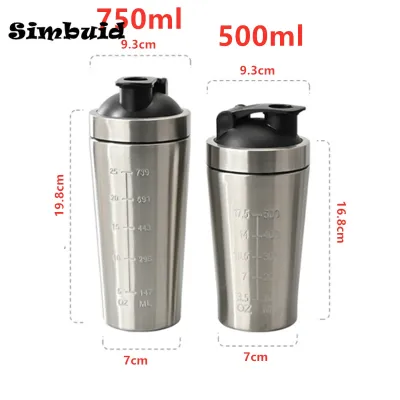
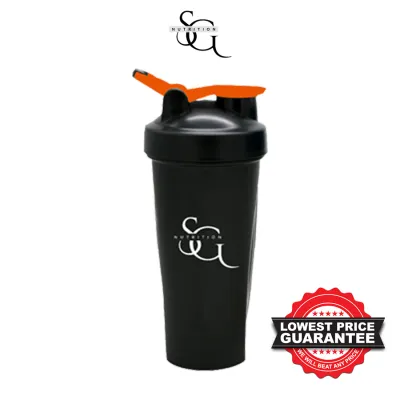
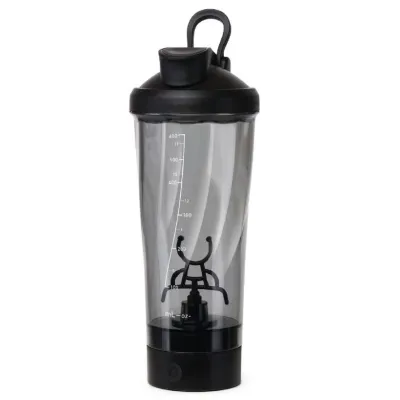

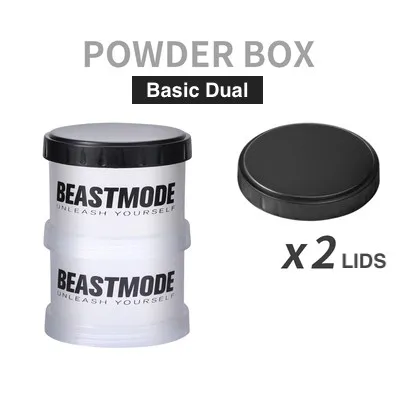
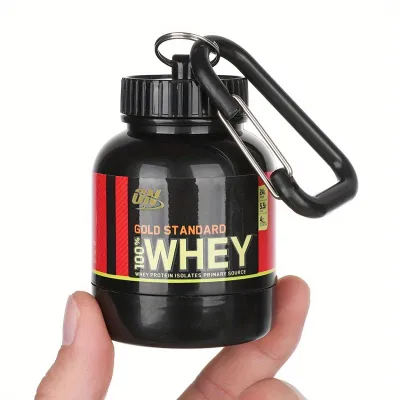
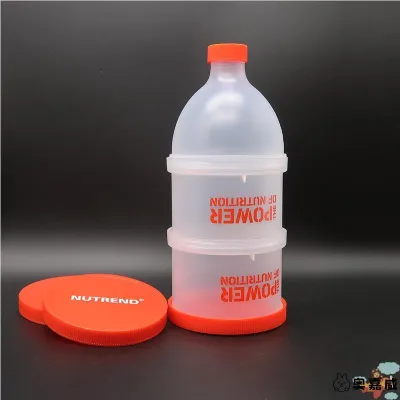
Prices are valid at publication and may change. Please refer to the product page for the latest price.
Conversely, a dedicated protein container is engineered specifically for storage, preservation, and transport. Its primary objective is to maintain a dry, airtight environment that protects sensitive powder from external elements. Instead of mixing mechanisms, these containers focus on high-quality silicone seals, secure locking latches, and moisture-resistant materials. Because they do not need to hold liquid, their physical shapes are highly varied; many are designed to be compact, stackable, or modular, allowing them to fit easily into the small compartments of a gym bag. The lid mechanisms on storage containers are optimized for quick access and airtight sealing rather than drinking, often featuring wide openings that make scooping clean and effortless.
Practical Comparison: Portability, Moisture, and Cleaning
When evaluating these two options for daily gym use, portability and space efficiency are major considerations. A standard shaker bottle has a relatively large physical footprint. If you pre-load your protein powder into an empty shaker, you are essentially carrying a bulky, mostly empty plastic bottle in your gym bag all day. If you also carry a separate water bottle for hydration during your workout, your bag quickly becomes crowded. Dedicated protein containers, particularly modular or stackable designs, offer a much more compact footprint. They can be tucked into side pockets, shoe compartments, or even attached directly to the bottom of compatible bottles, maximizing the usable space in your gym bag during your daily commute.

Moisture control is another critical factor, especially in tropical climates where high humidity is a constant presence. When protein powder is exposed to humid air, it quickly absorbs moisture, leading to clumping, degradation, and a loss of mixability. If you pre-load powder into a shaker bottle, ambient air can enter through the drinking spout or threads, especially if the bottle was not completely dry after its last wash. Dedicated protein containers are specifically designed to combat this issue. Their airtight silicone gaskets create a reliable barrier against humidity, keeping the powder dry, fine, and free-flowing until you are ready to mix it. Some storage containers even feature dedicated compartments for food-safe desiccant packets to provide extra moisture protection.
Cleaning and hygiene present distinct challenges for each option. Shaker bottles are notorious for developing unpleasant odors if they are not washed immediately after use. Wet protein residue can easily get trapped in the fine crevices of the mixing grid, the threads of the lid, and the seal of the flip cap. Washing these complex parts requires thorough scrubbing and adequate drying time. In contrast, a dedicated protein container only holds dry powder. Because it never comes into contact with liquid during storage, it does not develop sour odors and requires minimal maintenance. A simple rinse and thorough air-dry are usually sufficient to keep it clean, saving you time and effort in your daily routine.
Finally, versatility plays a role in determining which option fits your lifestyle. A shaker bottle is limited to holding liquid and a single pre-loaded powder mixture. A dedicated protein container, however, can be used to transport a wide variety of dry goods. You can use it to carry pre-workout formulas, branched-chain amino acids (BCAAs), creatine, or even small post-workout snacks like almonds, dried fruit, or granola. This multi-purpose functionality makes storage containers highly adaptable for long days away from home.
When a Shaker Bottle Is Enough
For many gym-goers, a standard shaker bottle is more than enough to handle their post-workout nutrition needs. The primary appeal of this setup is simplicity. By pre-loading your protein powder directly into a dry shaker bottle before leaving the house, you eliminate the need to carry extra accessories. When your workout is finished, you simply walk over to the gym’s water cooler, fill the bottle, shake it for a few seconds, and consume your drink. This streamlined process is highly efficient and reduces the number of items you need to wash at the end of the day.
However, relying solely on a shaker bottle requires strict attention to detail. The most critical limitation is ensuring the bottle is 100% dry before adding the powder. Even a tiny droplet of water left over from a previous wash can cause the powder to stick to the bottom, form stubborn clumps, and spoil over the course of the day. Additionally, if you plan to use your shaker bottle for water during your workout, you cannot pre-load your powder inside it. You would have to carry the powder in a separate baggie or container anyway, defeating the single-bottle convenience.
The ideal user profile for a shaker bottle setup is a minimalist fitness enthusiast who only needs one serving of protein per gym session. This individual typically goes straight to the gym from home or work, has access to a reliable water source at the fitness facility, and prefers to consume their shake immediately after training. If you can guarantee your bottle is bone-dry before packing and you do not mind drinking room-temperature water during your workout, a standard shaker bottle is a highly practical and cost-effective choice.
When a Dedicated Protein Container Makes Sense
Investing in a dedicated protein container becomes highly beneficial when your fitness routine involves more complex logistics. One of the greatest advantages of a separate storage container is its superior protection against environmental factors. The airtight seals ensure that your expensive protein powder remains fresh and free of clumps, regardless of how humid the weather is or how long it sits in your gym bag. This is particularly valuable for those who commute long distances or keep their gym gear in their car trunk throughout the day.
Another practical benefit is the ease of preparation. Standard protein powder tubs come with wide scoops that can be difficult to funnel into the narrow mouth of a typical shaker bottle without spilling. Dedicated protein containers feature wide-mouth designs that easily accommodate standard scoops, allowing for a clean, mess-free transfer of powder. Furthermore, carrying your powder in a separate container allows you to use your primary water bottle for hydration throughout your workout without worrying about premature mixing or contamination.
The main trade-off of this approach is that it requires carrying an additional item. You will need both the storage container and a separate vessel to mix and drink your shake. However, this setup is ideal for users who carry multiple servings of supplements, such as a pre-workout powder for energy and a protein powder for recovery. It is also the preferred choice for those who dislike mixing their protein with plain water and prefer to use chilled milk, soy milk, or cold brew coffee kept in a separate insulated flask.
How to Choose the Right Setup for Your Routine
To determine the best setup for your fitness routine, consider your daily habits, environmental conditions, and gear preferences. You can use the following decision framework to guide your choice:
Choose a shaker bottle if:
- You prefer a minimalist gym bag with as few items as possible.
- You only need a single serving of protein powder per workout.
- You can ensure your shaker bottle is completely dry before pre-loading the powder.
- You have access to a water source at the gym and do not mind drinking room-temperature water.
Choose a dedicated protein container if:
- You live in a highly humid climate and frequently notice your powder clumping in your shaker.
- You need to carry multiple servings of protein or different supplements (like pre-workout and creatine) throughout the day.
- You prefer using a separate, high-quality insulated stainless steel bottle to keep your water ice-cold during your workout.
- You want to avoid the risk of spilled powder when scooping from large tubs.
Before purchasing any new equipment, verify if your current shaker bottle features a modular design. Many modern shaker bottles come equipped with detachable, screw-on storage compartments at the base. If your bottle has this feature, you already possess a hybrid solution that offers the airtight storage of a container with the convenience of a shaker. If you primarily consume ready-to-drink (RTD) liquid protein shakes or single-serve tear packets, neither option may be necessary, as these products require no specialized storage or mixing vessels.
Frequently Asked Questions (FAQ)
Can I leave protein powder in a shaker bottle overnight?
Leaving dry protein powder in a shaker bottle overnight is generally safe, provided the bottle is completely dry and sealed in a cool, low-humidity environment. However, if there is any residual moisture from a previous wash or if the bottle is exposed to high ambient humidity, the powder can absorb moisture, clump, and potentially spoil. Before adding liquid to pre-loaded powder that has sat overnight, perform a quick visual and olfactory check. If the powder has formed hard clumps or has an unusual odor, it is best to discard it to avoid consuming spoiled supplements.
Do I need a special scoop for a protein container?
In most cases, you do not need a special scoop for a dedicated protein container. Most high-quality containers are designed with wide openings that easily accommodate the standard plastic scoops provided by supplement manufacturers. However, scoop sizes can vary significantly depending on the brand and type of protein (e.g., whey isolate versus mass gainer). Before purchasing a protein container, it is a good idea to verify its opening diameter against the size of your preferred supplement scoop to ensure a clean, spill-free pour every time.

Community discussion
Share your experience or ask a question. Comments are reviewed before publication.