
Quick Answer: Space Requirements for Compact Apartments
A standard recumbent bike typically requires a dedicated floor area of about 1.5 to 2 meters in length and 0.6 to 0.8 meters in width. However, the physical footprint of the machine is only part of the equation. To exercise safely and comfortably in a compact apartment, you must account for the operational footprint, which includes full leg extension, mounting clearance, and a safe walkway buffer.
The basic spatial formula to calculate your needs is: Machine Length + Maximum Pedal Extension + Walkway Buffer. In a typical Singapore home, such as a 3-room or 4-room HDB flat, walkways are highly utilized corridors. Blocking these paths not only creates a daily nuisance but also poses a safety hazard during emergencies. Therefore, understanding how the bike’s dimensions interact with your room’s layout is the first step toward a successful home gym setup.
How to Measure Your Available Space Accurately
To ensure your new fitness equipment fits seamlessly, begin by measuring the exact floor area where you plan to place the bike. Do not rely on visual estimation. Use a physical tape measure to map out the length and width on your floor. Remember to account for baseboards, which can push the machine several centimeters away from the wall, and the location of power outlets if you are choosing a motorized model that requires a mains connection. Ensure there is enough clearance around nearby furniture so that drawers can still open and chairs can slide out without hitting the bike.
Products mentioned in this guide
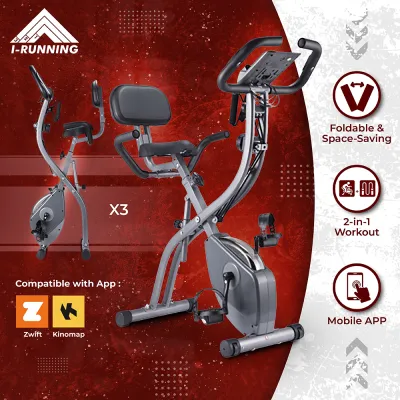
Prices are valid at publication and may change. Please refer to the product page for the latest price.

Next, trace the delivery path from your main door to the final destination. Measure the width of your doorways, hallway turns, and lift entryways. Many recumbent bikes are delivered partially assembled or in large, heavy boxes that require a clear path of at least 80 centimeters to navigate safely. If your corridors have tight corners, verify the box dimensions against these pinch points before finalizing your purchase.
Finally, factor in the height and leg length of the primary user. As you adjust the seat backward to accommodate longer legs, the overall operational length of the machine increases. Sit on a standard chair and measure your leg span from hip to heel at a comfortable extension to estimate how much extra space the seat adjustment will require. This step prevents the common issue of buying a bike that fits the room when empty but blocks the door when adjusted for a taller family member.
Key Recumbent Bike Features for Limited Floor Space
When shopping for recumbent bikes suitable for compact living, specific design features can make a significant difference in how much space the machine occupies. Foldable frames are highly popular for smaller apartments because they allow you to reduce the floor footprint by up to 50% when the machine is not in use. However, foldable models often feature lighter frames, which may offer less structural rigidity during intense workouts compared to their fixed-frame counterparts. You will also need to factor in the setup time and effort required to fold and unfold the bike for each session.
For those who prefer a fixed frame for its stability, integrated transport wheels are an essential feature. These wheels, usually located on the front stabilizer bar, allow you to tilt the bike and roll it out of the way after your workout. When evaluating these models, check the product specifications for the machine’s total weight. A bike that weighs under 40 kilograms is generally manageable for one person to reposition on a smooth floor, whereas heavier commercial-grade models may require two people or remain permanently stationary.
Another critical design element is the step-through frame. Unlike traditional exercise bikes that require you to swing your leg high over the seat or frame, a step-through design features a low-profile center bar. This allows you to walk directly into the mounting position. This design requires less lateral and vertical clearance, making it much easier and safer to mount and dismount the bike in tight spaces, such as a narrow bedroom alcove or a crowded living room corner.
Common Space-Matching Mistakes to Avoid
One of the most common mistakes when placing recumbent bikes in tight spaces is ignoring the dynamic movement of the machine’s parts. While the static frame might fit within your measured boundaries, the pedals rotate outward, and some models feature moving handlebars for an upper-body workout. If you do not account for this handlebar swing and pedal rotation radius, you risk scraping your knuckles against a nearby wall or hitting your knees on adjacent furniture during a workout. Always check the manufacturer’s diagrams for the maximum operational width, not just the base width.
Another frequent oversight is positioning the bike flush against a wall or in a tight, unventilated corner. Recumbent bikes with electronic consoles or magnetic resistance systems generate heat and require adequate airflow to prevent components from overheating. Furthermore, exercising in a cramped corner with poor ventilation can quickly lead to discomfort and excessive sweating. Aim to leave at least 30 to 50 centimeters of open space around the sides and rear of the machine to ensure proper ventilation and a more comfortable exercise environment.
Lastly, do not overlook the importance of a dedicated floor protection mat. Recumbent bikes concentrate a significant amount of weight—both the machine’s weight and your body weight—onto small stabilizer feet. On typical apartment flooring like vinyl, laminate, or polished tiles, this concentrated pressure can cause permanent indentations, scratches, or discoloration over time. Placing a high-density rubber or PVC mat under the bike distributes the weight evenly, dampens operational noise and vibration, and protects your floor from sweat. Budgeting a small amount, such as S$30 to S$60, for a proper mat is a simple way to prevent costly floor repairs later.
Frequently Asked Questions (FAQ)
Can I keep a recumbent bike in the living room without it looking cluttered?
Integrating fitness equipment into a shared living space requires a balance of aesthetics and functionality. To prevent your living room from feeling cluttered, consider placing the bike near a window or alongside existing large furniture, such as the side of a sofa, to blend it into the room’s natural lines. You can also use decorative room dividers or folding screens to shield the equipment from view when it is not in use. If you choose a folding model, store it in a nearby closet or utility room after your workout. Always check the manufacturer’s guidelines regarding storage conditions; if you must store the bike in a semi-exposed area, using a breathable, dust-resistant cover can protect the electronics and mechanical parts from dust accumulation and direct sunlight.
Do foldable recumbent bikes compromise on workout stability?
Foldable recumbent bikes are engineered to prioritize space-saving convenience, which naturally involves some trade-offs in structural rigidity. Because these frames rely on hinges and locking pins to fold, they may exhibit a slight amount of flex during high-intensity pedaling compared to solid, one-piece welded frames. To ensure a safe and stable workout, always verify the maximum weight capacity and frame material listed in the product specifications before purchasing. Before starting any exercise session, consult the user manual to locate all locking mechanisms and inspect the hinges to ensure they are fully engaged and secure.
What should I do if the bike blocks the walkway when in use?
If your apartment’s layout forces you to position the bike in a way that temporarily blocks a walkway during use, safety must be your primary concern. Establish a dedicated workout window during the day when household foot traffic is minimal, and temporarily clear the immediate area of any loose items or tripping hazards. Ensure that other family members are aware of your workout schedule so they can avoid the area. Most importantly, make it a strict habit to fold or roll the bike back to its designated storage spot immediately after you finish your session. Leaving the machine extended in a walkway after a workout increases the risk of accidental trips and blocks essential paths through your home.

Community discussion
Share your experience or ask a question. Comments are reviewed before publication.