
Quick Answer: Which Ankle Brace Type Do You Need?
Selecting the right ankle brace is a balance between protection, mobility, and comfort. The ideal choice depends on your current recovery phase, the intensity of your physical activity, and the specific level of structural support your joint requires.
To quickly identify the type of brace that matches your situation, consider these three primary categories:
- Sleeve Braces: Ideal for mild compression, joint warmth, and enhanced proprioception (joint awareness). These are suitable for minor aches, low-impact activities like walking or light jogging, and managing mild, chronic swelling.
- Lace-Up Braces: Designed for moderate to high lateral support and a highly customizable fit. These are the standard choice for active court or field sports—such as badminton, basketball, and netball—where rapid lateral movements and sudden pivots are common.
- Rigid Braces: Engineered for maximum stabilization and strict restriction of side-to-side (inversion and eversion) movement. These are typically used during post-injury recovery, early rehabilitation phases, or when returning to high-risk activities after a severe sprain.
Sleeve vs Lace-Up vs Rigid: Core Design and Support Levels
Understanding the structural differences between these three brace types helps clarify how they interact with your foot and ankle anatomy. Each design utilizes distinct materials and construction methods to achieve a specific balance of stability and flexibility.
Products mentioned in this guide
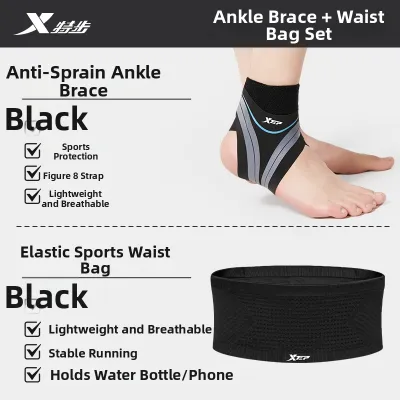
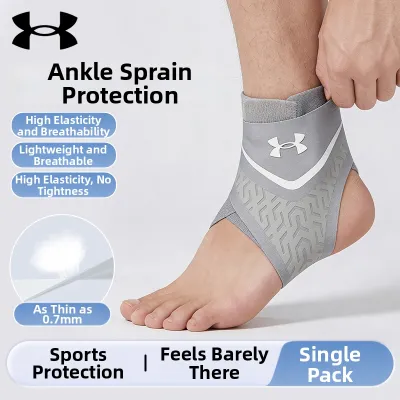
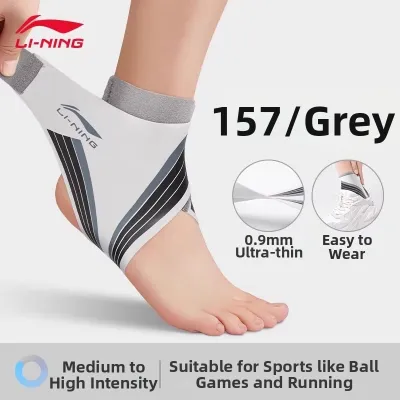
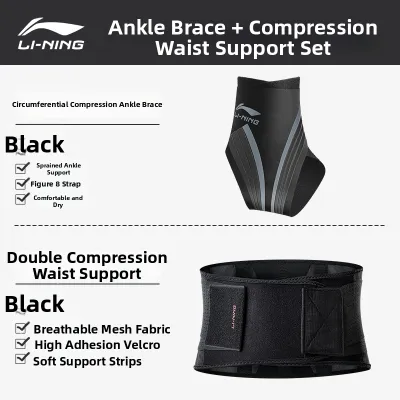
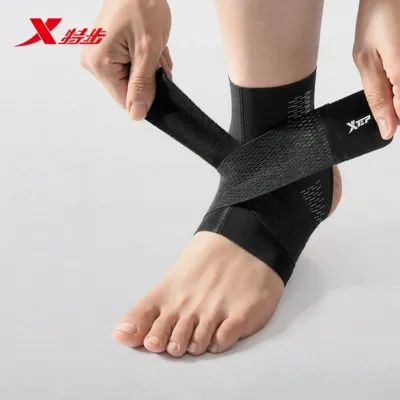
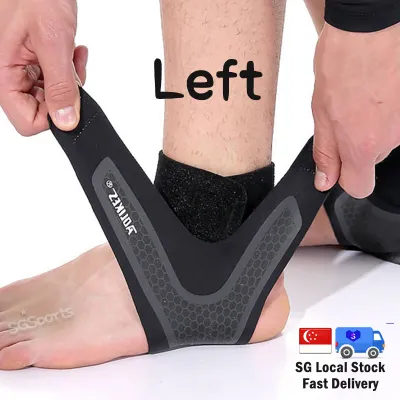
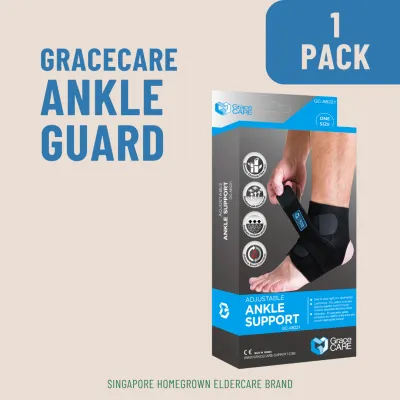
Prices are valid at publication and may change. Please refer to the product page for the latest price.

Sleeve braces are typically constructed from elasticized knit fabrics, neoprene, or specialized compression materials. They slip over the foot like a sock, providing uniform compression around the entire ankle joint. Because they lack external straps, plastic stays, or rigid inserts, sleeves offer minimal mechanical resistance against sudden ankle rolling. Instead, their primary function is compression, which helps manage localized swelling and stimulates sensory receptors in the skin. This sensory feedback improves your body’s natural awareness of joint positioning, helping you make subtle, subconscious adjustments during movement.
Lace-up braces offer a significant step up in mechanical support by mimicking the protective effects of professional athletic taping. These braces are made from durable nylon or vinyl fabrics and feature a front lacing system, often reinforced by figure-eight straps that wrap around the heel and under the sole. This design allows you to adjust the tension across different zones of the foot and ankle. The non-stretch straps lock the heel in place and physically limit excessive lateral tilting, while still allowing the ankle to flex forward and backward naturally. This makes them effective for sports that require quick acceleration and deceleration.
Rigid ankle braces prioritize joint immobilization. They feature hard plastic or composite outer shells that run along the medial and lateral sides of the ankle, often lined with foam or gel padding for comfort. Many rigid braces incorporate a mechanical hinge at the ankle joint, which permits normal upward and downward foot movement (plantarflexion and dorsiflexion) while blocking the side-to-side rolling that causes sprains. Other rigid designs are entirely static, locking the ankle in a neutral position to protect healing ligaments from any stress whatsoever.
The trade-off between joint mobility and lateral support is a key consideration. As mechanical support increases from sleeves to rigid braces, your natural range of motion decreases. While a rigid brace provides strong protection against re-injury, it also restricts the natural movement patterns of the foot, which can temporarily alter your gait. Conversely, a sleeve allows complete freedom of movement but offers no physical barrier against a severe twist.
Practical factors like breathability, bulkiness, and shoe compatibility also vary widely across these designs. In warm, humid climates, lightweight sleeve braces made from moisture-wicking knit fabrics offer high comfort and breathability. Neoprene sleeves, while supportive, tend to trap heat and sweat, which can lead to skin irritation during extended wear. Lace-up and rigid braces are inherently bulkier due to their multi-layered fabrics, straps, and plastic components. This added bulk requires careful consideration when pairing the brace with your existing athletic or casual footwear, as some designs may require a wider shoe or adjusting the laces significantly to accommodate the extra volume.
Matching the Brace to Your Activity and Recovery Stage
Choosing the right ankle brace requires matching the structural capabilities of the device to your specific physical demands and the healing stage of your joint. Using a brace that is either too restrictive or too weak can hinder your performance or delay your recovery.
You should choose a sleeve brace if you are engaging in low-impact activities and require mild swelling management or joint warmth. For example, if you enjoy recreational walking, light gym workouts, or yoga, a compression sleeve provides comfortable, low-profile support without restricting your natural movement. It is also highly beneficial for individuals experiencing mild, chronic stiffness or those who want a subtle reminder to maintain proper alignment during daily tasks. The compression helps facilitate blood flow, which can assist in reducing minor fluid retention after long periods of standing.
A lace-up brace is the appropriate choice if you participate in dynamic, high-intensity sports that involve frequent cutting, jumping, and lateral shifting. Sports like badminton, basketball, netball, and tennis place immense lateral stress on the ankle joint. A lace-up brace with figure-eight straps provides the necessary mechanical reinforcement to protect your ligaments during these sudden changes of direction. Because the fit is highly adjustable, you can tighten the brace before a match for maximum security and loosen it afterward for comfort. It serves as a practical preventive tool for athletes with a history of minor sprains who want to maintain high performance without sacrificing lateral stability.
A rigid brace is necessary if you are recovering from a recent, severe ankle sprain or are in the early stages of returning to activity after a ligament tear. During the acute phase of recovery, the primary goal is to protect the healing tissues from any lateral stretching. A rigid brace with plastic side panels ensures the ankle remains stable, preventing accidental rolling during everyday walking. It is also suitable for individuals with chronic ankle instability who experience frequent joint instability and require a physical block against lateral movement. If you are transitioning back to high-risk sports after a major injury, a hinged rigid brace can provide the structural reassurance needed to protect the joint while you rebuild strength.
However, there are situations where an over-the-counter ankle brace is not appropriate. If you are experiencing undiagnosed, severe ankle pain, significant bruising, an inability to bear weight, or persistent numbness and tingling in your foot, you should avoid self-treating with a brace. These symptoms can indicate a fracture, complete ligament rupture, or nerve compression that requires a comprehensive clinical assessment by a healthcare professional. Relying on a consumer brace in these scenarios can lead to improper healing, chronic joint laxity, and long-term mobility issues.
Sizing, Fit, and Daily Wear Checks
To ensure your ankle brace functions as intended and does not cause secondary discomfort, you must select the correct size and verify the fit through regular checks. An ill-fitting brace can compromise support, restrict healthy circulation, or cause painful skin irritation.
Accurate measurement is the first step in securing a proper fit. Because sizing standards vary significantly between manufacturers, you should never rely on your standard shoe size alone. Instead, use a flexible measuring tape to take two key measurements:
- Ankle Circumference: Measure around the narrowest part of your ankle, just above the bony protrusions (malleoli).
- Heel-to-Instep Circumference: Wrap the tape diagonally around the back of your heel and over the top of your instep.
Compare these measurements directly to the specific sizing chart provided by the manufacturer of the brace you are considering. If your measurements fall between two sizes, consider the primary purpose of the brace: a tighter fit (smaller size) may offer more compression, while a slightly larger size may provide better comfort for all-day wear, provided the structural elements still align correctly with your joint.
Once you have the brace, you must perform observable checks to verify a safe and effective fit. Put the brace on and walk around for a few minutes, paying close attention to how your foot feels. Look for these signs of an improper fit:
- Restricted Blood Flow: Check your toes for any signs of discoloration, coldness, or a tingling sensation. If your toes appear pale or bluish, or if you feel a throbbing sensation, the brace is too tight and must be loosened immediately.
- Skin Pinching and Chafing: Ensure that the edges of the brace, plastic stays, or seams do not dig into your skin. In humid conditions, friction against damp skin can quickly lead to painful blisters. Wearing a thin, moisture-wicking sock under the brace can help minimize this risk.
- Excessive Slipping: If the brace slides down your ankle or shifts significantly inside your shoe when you change directions, it is either too large or not secured tightly enough. A slipping brace cannot provide reliable lateral support.
Shoe compatibility is another critical factor. When wearing a bulkier lace-up or rigid brace, you may need to loosen the laces of your athletic shoe entirely before inserting your foot. Ensure that your heel sits firmly in the footbed of the shoe and does not slip out of the heel counter when you walk. If the brace forces your foot too far forward or upward, it can cause pressure points on your toes or instep. For improved comfort, pair your brace with shoes that feature a removable insole, a deep heel cup, and adjustable lacing systems that allow you to accommodate the extra volume without compressing your foot excessively.
Safety Limits and When to Consult a Professional
While over-the-counter ankle braces are valuable tools for support and recovery, they are not a cure-all. It is essential to recognize the physical limits of external braces and understand when professional medical intervention is required.
An external brace is designed to support your joint, not to replace the natural strength and stability provided by your muscles, tendons, and ligaments. Relying solely on a brace without engaging in targeted rehabilitation can lead to a false sense of security and long-term muscle weakness. To truly restore joint function and prevent future injuries, you must combine brace usage with a structured exercise program focused on ankle mobility, calf and peroneal muscle strengthening, and balance training (proprioception).
You must stop using the brace and consult a physiotherapist or doctor if you experience any of the following warning signs:
- Persistent or worsening pain that does not improve with rest and compression.
- An inability to bear weight on your foot immediately after an injury or after a few days of recovery.
- Numbness, tingling, or a "pins and needles" sensation in your foot or toes, which suggests nerve compression.
- Significant, localized swelling or redness that spreads beyond the ankle joint.
Additionally, if you are recovering from a surgical procedure or have been diagnosed with a specific clinical condition, you must follow the precise post-operative or rehabilitation protocols provided by your surgeon or physiotherapist. General consumer guidelines cannot account for the unique healing timelines of repaired tissues, and premature or incorrect brace usage can compromise your surgical outcomes.
Frequently Asked Questions (FAQ)
Can I wear an ankle brace all day for prevention?
Wearing an ankle brace all day for general prevention is generally not recommended unless specifically advised by a healthcare professional. Continuous reliance on an external support during normal, low-impact daily activities can cause the muscles and ligaments surrounding your ankle to become inactive and eventually weaken. Over time, this can decrease your joint’s natural stability, making you more susceptible to injury when you are not wearing the brace. It is recommended to reserve brace usage for high-risk activities, such as sports involving rapid lateral movements, or during specific phases of injury recovery.
Do ankle braces fit inside all types of shoes?
No, ankle braces do not fit comfortably inside all types of footwear. Low-profile sleeve braces made from thin, elastic fabrics fit easily inside almost any shoe, including snug running shoes, casual sneakers, and even some work shoes. However, bulkier lace-up and rigid braces require shoes with more internal volume. They are difficult to fit into narrow, stiff, or shallow footwear. To accommodate these supportive braces, you should choose athletic shoes with adjustable laces, removable insoles, and a deep heel design that allows the foot and brace to sit securely without pinching.

Community discussion
Share your experience or ask a question. Comments are reviewed before publication.