
When choosing a water bottle for your fitness routine, comparing a small Tupperware bottle to dedicated insulated sports brands reveals a fundamental divide in material engineering and thermal performance. Standard small plastic bottles, including those from classic home brands, are primarily designed for lightweight portability, leak-proof storage, and long-term durability. They do not feature the specialized thermal barriers found in dedicated sports insulation brands. If your primary goal is to keep drinks ice-cold during an intense workout in a warm or humid environment, a vacuum-insulated stainless steel bottle is physically superior. Understanding the structural differences between these bottle types allows you to make an informed decision based on your workout duration, carrying preferences, and hydration needs.
Understanding the Insulation Gap: Material and Structure
To understand why these bottles perform so differently, it is necessary to look at how heat moves. Heat transfer occurs through three primary mechanisms: conduction, convection, and radiation. Conduction happens when heat travels directly through a solid material. Convection involves the movement of heat through fluids or air. Radiation is the transfer of heat via electromagnetic waves.
A standard small plastic bottle typically features a single-wall construction made from high-density polyethylene, polypropylene, or Tritan plastic. While plastic is naturally a poor conductor of heat compared to bare metal, a single thin layer of plastic offers almost no resistance to ambient temperatures. Heat from the surrounding air, or from your hand holding the bottle, quickly conducts through the plastic wall, rapidly warming the liquid inside.
Products mentioned in this guide
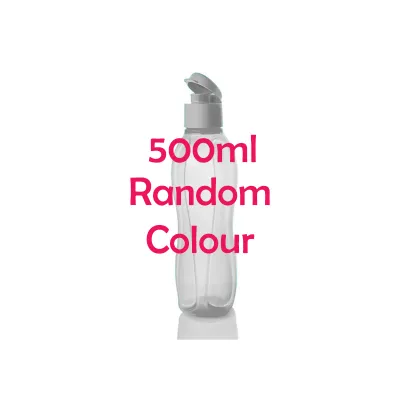
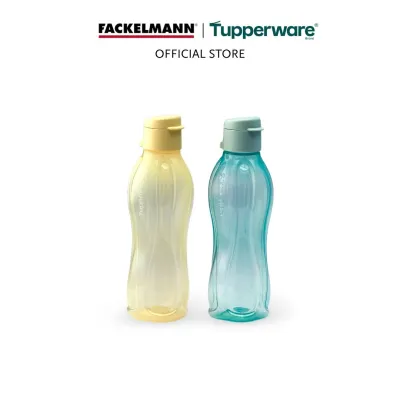
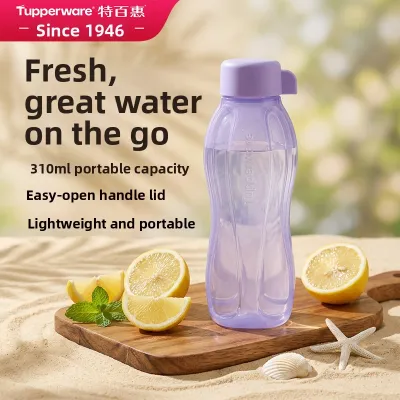
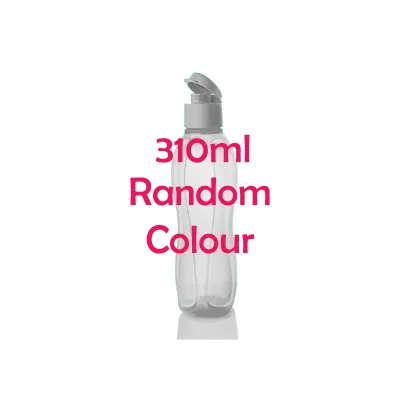
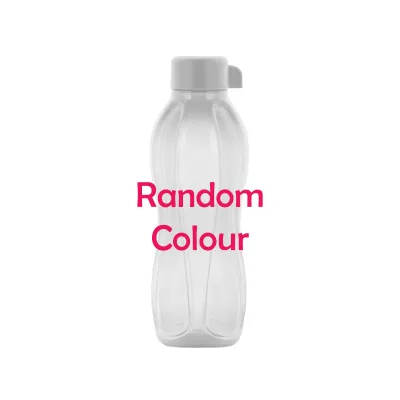
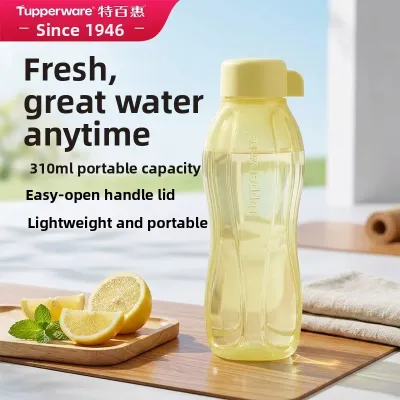
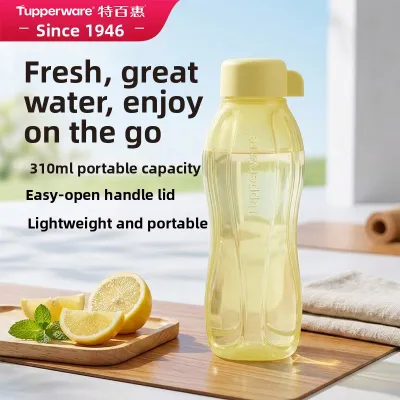
Prices are valid at publication and may change. Please refer to the product page for the latest price.
In contrast, dedicated insulated sports bottles utilize a double-wall vacuum construction, usually made from food-grade stainless steel. During manufacturing, the air between the inner and outer walls is completely evacuated, creating a vacuum. Because a vacuum contains no air molecules, conduction and convection are virtually impossible across this barrier. Some premium insulated bottles also feature a copper coating on the outer surface of the inner wall to reflect radiant heat away from your beverage.
It is also important to distinguish between different types of plastic insulation. Some plastic sports bottles are marketed as “insulated” or “thermal” because they feature a double-wall design with a thin layer of foam or reflective foil sandwiched in between. While these bottles perform better than single-wall plastic models, they still rely on materials that contain air. Because air still conducts heat, these hybrid plastic bottles cannot match the thermal efficiency of a true vacuum-insulated steel bottle.
Key Comparison Dimensions for Workout Hydration
Evaluating these bottles for active use requires looking beyond simple temperature claims and focusing on how they perform during physical activity.

Cold Retention Limits
The physical structure of your bottle directly dictates how long your water stays cold. A single-wall plastic bottle will allow ice to melt rapidly, often within thirty minutes to an hour in warm climates. Once the ice melts, the liquid quickly reaches room temperature. A double-wall vacuum-insulated stainless steel bottle, however, can maintain cold temperatures for several hours, even when exposed to direct sunlight on an outdoor track or inside a hot vehicle. This makes steel the clear choice for long-duration workouts where cool hydration is essential for comfort and performance.
Condensation and Grip
In humid environments, such as tropical climates, condensation is a major factor. When cold liquid is poured into a single-wall plastic bottle, the outer surface quickly cools down. Moisture in the humid air condenses on this cold surface, causing the bottle to “sweat.” This condensation makes the bottle slippery and difficult to grip during fast-paced exercises. It also leaves puddles on gym equipment and dampens everything inside your sports bag. Vacuum-insulated bottles do not suffer from this issue. Because the outer wall remains at ambient temperature, condensation cannot form, keeping the exterior dry and easy to hold.
Weight and Portability
Where plastic bottles hold a distinct advantage is in weight and portability. A small plastic bottle is incredibly lightweight when empty, making it highly convenient for runners, hikers, and anyone who prefers to travel light. It can be easily squeezed into a flexible pocket or carried by hand without adding unnecessary bulk. Stainless steel bottles are inherently heavier due to their double-wall metal construction. Even a small empty steel bottle can feel noticeably heavy, which may become a drawback during high-endurance activities where every gram matters.
Impact Resistance
Active environments put sports gear at risk of drops, bumps, and scrapes. High-quality plastic bottles are exceptionally resilient to impact. They can survive repeated drops onto hard gym floors or outdoor trails without cracking, though they may sustain surface scratches. Stainless steel bottles are also highly durable, but they are prone to denting when dropped on hard surfaces. A severe dent can sometimes bridge the gap between the inner and outer walls, destroying the vacuum barrier and permanently ruining the bottle’s insulation capabilities.
How to Verify Insulation and Material Specs
When shopping for a hydration companion, navigating marketing jargon can be challenging. To ensure you get the performance you expect, you must know how to verify the materials and construction of a bottle.
First, inspect the product labeling for precise material terms. If you are looking for a plastic bottle, look for high-grade resins such as Tritan co-polyester or food-grade polypropylene, and ensure they are labeled as BPA-free. For insulated metal bottles, look for “18/8 food-grade stainless steel” or “304 grade stainless steel.” These materials are highly resistant to rust and do not retain flavors from sports drinks.
Second, look specifically for the term “vacuum-insulated.” Many products use vague terms like “double-wall,” “thermal,” or “insulated.” A double-wall bottle that is not vacuum-sealed simply contains a pocket of air, which provides minimal thermal protection. True vacuum insulation will always be explicitly stated on the packaging or in the manufacturer’s specifications.
Third, examine the physical design of the bottle. Look at the lid construction; a high-quality insulated bottle should have a thick, well-fitting lid with a robust silicone gasket to prevent heat from escaping through the top. Check the base of the bottle as well. Vacuum-insulated bottles often feature a slightly wider, reinforced base or a visible weld cap where the vacuum was sealed during production.
Decision Framework: Choosing the Right Bottle for Your Workout
Choosing between a small plastic bottle and an insulated sports brand depends entirely on your specific workout conditions and personal priorities.
Choose a small plastic bottle if:
- You prioritize a lightweight setup for running, cycling, or short-duration workouts.
- You prefer a squeezable bottle that allows for quick, high-flow drinking during intense cardio.
- You want a low-maintenance bottle that is easy to clean and safe for the top rack of most dishwashers.
- You are looking for a highly durable, budget-friendly option where long-term temperature control is not a priority.
Choose a vacuum-insulated sports brand if:
- You require your drinks to stay ice-cold for multiple hours, especially during outdoor activities in hot weather.
- You want to prevent condensation from making your bottle slippery or wetting the contents of your gym bag.
- You prefer a sturdy, premium feel and do not mind carrying a slightly heavier bottle.
- You primarily drink plain water or simple hydration mixes that do not require frequent deep scrubbing of complex lid parts.
Verify first if:
- Your gym equipment, such as treadmill cup holders or bicycle cages, has strict size limitations. Insulated steel bottles often have wider outer diameters than plastic bottles of the same capacity.
- You need one-handed operation. Many sports-specific brands offer specialized straw lids or push-button caps, whereas standard plastic bottles may require two hands to unscrew.
Frequently Asked Questions (FAQ)
Can I put boiling water in a small Tupperware bottle? (FAQ)
No, you should avoid putting boiling water into a standard small plastic sports bottle unless the manufacturer explicitly states it is rated for high temperatures. Most single-wall plastic bottles are designed for cold or room-temperature liquids. Pouring boiling water into them can cause the plastic to soften, warp, or degrade. Furthermore, sealing hot liquid inside a plastic bottle creates steam pressure, which can cause the lid to pop off unexpectedly, risking severe burns. Always check the manufacturer’s maximum temperature limit and material safety guidelines before using any plastic container for hot beverages.
Do small insulated bottles fit in standard gym machine cup holders? (FAQ)
It depends on the specific design of both the bottle and the gym equipment. Standard gym machine cup holders are typically sized to accommodate slim plastic bottles or standard beverage cans. Because vacuum-insulated steel bottles require a double-wall construction, they have a significantly wider outer diameter than single-wall plastic bottles of the exact same liquid capacity. Before purchasing an insulated bottle for gym use, measure the base diameter of the bottle—most standard insulated options range from 70mm to 75mm—and check if it aligns with the cup holders on your preferred exercise machines.
How do I clean a vacuum-insulated bottle to prevent odors? (FAQ)
To keep your insulated bottle fresh and free from odors, clean it promptly after every use, especially if you use sports drinks or electrolyte powders. Wash the bottle by hand using warm water, a mild dish soap, and a soft-bristled bottle brush to reach the bottom without scratching the stainless steel lining. Avoid using harsh abrasive scrubbers, bleach, or chlorine-based cleaners, as these can damage the protective chromium oxide layer on the steel. Unless the manufacturer explicitly states that the bottle is dishwasher-safe, avoid putting vacuum-insulated bottles in the dishwasher, as the intense heat and moisture can compromise the vacuum seal and ruin the exterior finish.

Community discussion
Share your experience or ask a question. Comments are reviewed before publication.