
Finding the right yoga mat for a compact Singapore apartment requires balancing your physical height with the realities of limited floor space. While standard mats provide ample room to stretch, they can easily crowd a small living room, bedroom, or multi-purpose study. A small yoga mat, typically measuring between 120 cm and 150 cm in length, offers a practical compromise that fits into tight layouts while still providing essential cushioning for your practice.
To make an informed decision, you must evaluate how much open floor space you can consistently clear, how your height aligns with shorter mat lengths, and what storage methods will keep your home clutter-free. By focusing on precise measurements and your specific workout style, you can select a compact mat that supports your wellness routine without taking over your living space.
Assessing Your Available Practice Space
Before purchasing a compact yoga mat, you must accurately measure the physical floor area where you plan to exercise. Use a standard measuring tape to map out the maximum length and width available in your designated workout spot. Be sure to subtract the space required for furniture clearance, ensuring that low-lying items like coffee tables, bed frames, or TV consoles do not obstruct your movement.
Products mentioned in this guide
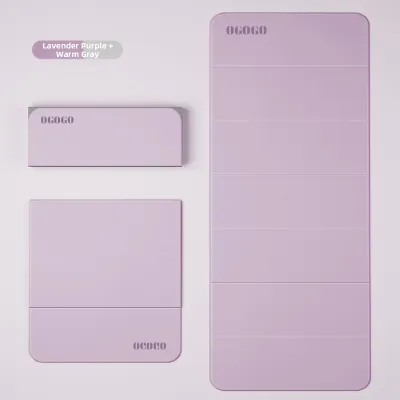
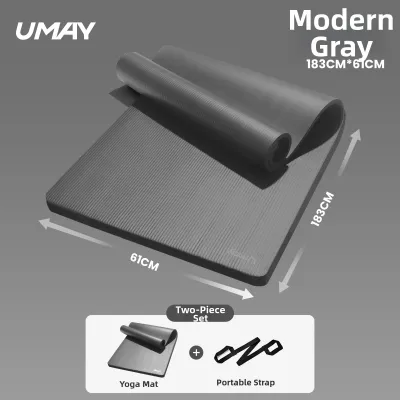
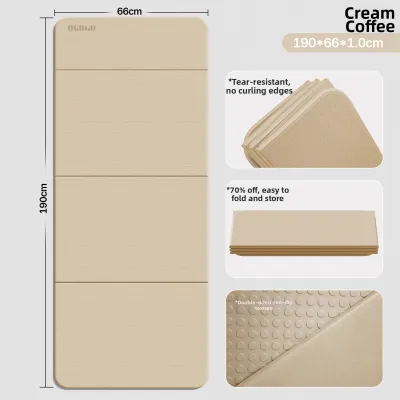
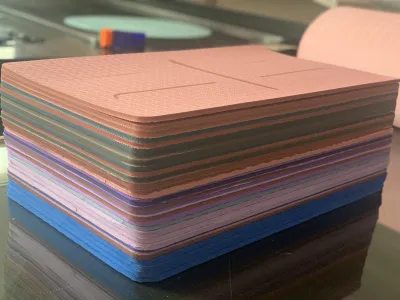
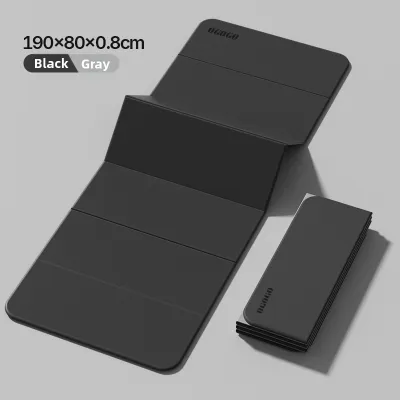
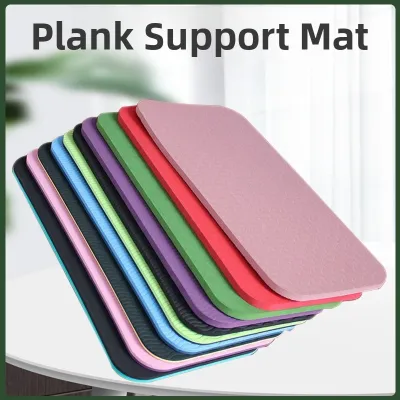
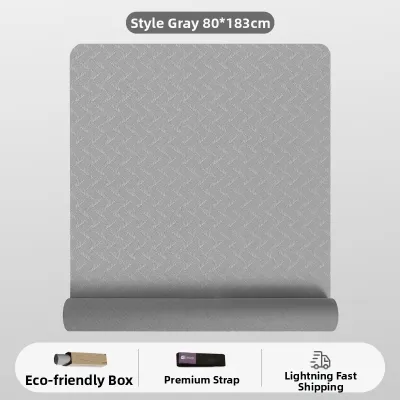
Prices are valid at publication and may change. Please refer to the product page for the latest price.
Your practice zone needs to extend beyond the physical edges of the mat itself. Dynamic movements, lateral lunges, and wide arm stretches require a safety buffer of at least 30 to 50 cm around the entire perimeter of the mat. Without this clearance, you risk striking nearby walls, doors, or furniture during transitions, which can disrupt your focus and cause minor injuries.
Ceiling height and overhead obstructions are equally important factors to verify in modern, compact apartments. Stand in your planned practice spot and extend your arms fully overhead and out to the sides to check for potential hazards. Take note of low-hanging pendant lights, ceiling fans, decorative false ceilings, or wall-mounted air conditioning units that could interfere with standing poses or upward salutations.
Many apartment dwellers rely on multi-purpose zones, temporarily converting a narrow hallway, bedroom walkway, or living room center into a workout space. If you must roll out and pack away your mat for every single session, prioritize a lightweight, highly manageable size. This ensures the setup and teardown process remains quick and does not discourage you from maintaining a daily practice.
Standard vs. Small Yoga Mat Dimensions Explained
Standard yoga mats typically measure approximately 173 cm to 180 cm in length and 61 cm in width. These dimensions are designed to accommodate the full height of an average adult, allowing you to lie completely flat during floor poses without your head or feet resting on the bare floor. However, this length can easily overwhelm narrow rooms or tight walkways.

Small or compact yoga mats generally fall into a few distinct categories, ranging from 120 cm to 150 cm in length. Some specialized alignment pads or mini mats are even shorter, measuring only 60 cm to 90 cm. These ultra-compact options are designed to cushion only specific high-pressure areas, such as your knees, elbows, or sit bones, rather than supporting your entire body length.
Reducing the width of your mat below the standard 61 cm can significantly affect your balance and stability. A narrower surface leaves less room for lateral foot placement, requiring greater core engagement and precise alignment to remain centered. If you choose a narrower mat, verify that your hands and feet can remain securely positioned during transitional movements to prevent slipping on the surrounding floor.
When shopping for a compact mat, always check the exact product specifications and labels for physical measurements in centimeters. Avoid relying on vague marketing terms like “space-saving,” “travel-friendly,” or “mini,” as these classifications vary widely between manufacturers. Knowing the exact dimensions allows you to compare the mat directly against your measured home practice area.
Matching Mat Size to Your Yoga Practice
The ideal dimensions for your mat depend heavily on the specific style of yoga or floor exercise you perform. Dynamic, high-movement practices like Vinyasa or Ashtanga flow require a longer surface to accommodate wide stances, lunges, and jump-throughs safely. If your mat is too short for these styles, you will constantly find yourself stepping off the cushioned surface onto the hard floor.
For stationary, restorative, or seated practices like Yin Yoga or meditation, a much smaller mat is often perfectly adequate. Because these styles focus on floor-based poses held for longer durations, you only need enough surface area to cushion your primary contact points. A compact mat that supports your hips, knees, and ankles is often sufficient for a deeply restorative session.
Your physical height and limb reach must ultimately dictate how short your mat can be. If you are taller, a mat under 150 cm will force you to compromise during lying poses like Savasana, requiring you to let your head or feet rest on the floor. If you want to avoid this, consider a foldable travel mat that offers standard length but folds down into a compact square for easy storage.
Recognize the physical limitations of a smaller mat before starting a challenging routine. If a compact mat restricts your natural stride or causes you to constantly adjust your position to stay on the cushion, it may compromise your alignment. Ensure the size you choose allows you to execute your favorite poses with proper form and without feeling restricted.
Smart Storage and Space-Saving Solutions
Storing your yoga mat properly in a compact apartment prevents it from becoming a tripping hazard or visual clutter. Vertical storage solutions are highly effective for saving floor space. Consider using wall-mounted resistance band hooks, dedicated hanging straps, or placing your rolled mat upright in a narrow decorative basket in an unused corner.
Before rolling or folding your mat for storage, always consult the manufacturer’s care instructions. Tightly rolling certain materials, such as natural rubber or heavy polyurethane, can cause permanent creasing, stretching, or surface cracking over time. To preserve the grip and structural integrity, most mats should be rolled loosely with the top practice surface facing outward.
If you prefer to keep your fitness equipment completely out of sight, utilize under-bed storage drawers or dedicated closet shelves. Ensure the storage area remains dry, cool, and well-ventilated. Keep your mat away from direct sunlight, balcony doors, or nearby heat sources like air conditioning condenser units, as prolonged heat exposure can degrade synthetic and natural materials alike.
Frequently Asked Questions (FAQ)
Can I use a travel yoga mat for daily home practice?
Yes, but you must consider the trade-offs in cushioning and joint support. Travel mats are designed to be thin and lightweight, often measuring only 1 mm to 3 mm in thickness compared to the 4 mm to 6 mm standard for home mats. While they are highly compact and easy to store, this thin profile provides minimal protection for your knees, wrists, and spine on hard apartment floors. If you use a travel mat daily, verify that your joints can tolerate the firmer surface, or place a small towel or secondary foam pad under high-pressure areas during floor poses.
How do I clean a small yoga mat in a limited space?
Cleaning a yoga mat in a small apartment is highly manageable if you avoid soaking the material entirely. Use a simple spray bottle filled with water and a mild, manufacturer-approved soap, then wipe down the surface with a damp microfiber cloth to remove sweat and oils. To dry the mat without a large balcony or outdoor clothesline, drape it evenly over an interior door, a sturdy shower rod, or a folding drying rack placed in a well-ventilated room. Avoid using harsh household bleach or submerging the mat in a small bathtub, as excess trapped moisture can lead to mold growth and material breakdown.

Community discussion
Share your experience or ask a question. Comments are reviewed before publication.