
Choosing between a soft kettlebell and a traditional cast iron kettlebell depends on your training environment, experience level, and fitness goals. Soft kettlebells—typically featuring a vinyl, neoprene, or fabric exterior filled with sand or iron filings—are highly suited for apartment living, beginners, and protecting delicate indoor flooring. Traditional cast iron kettlebells remain the gold standard for advanced ballistic movements, grip training, and lifetime durability.
Understanding how these two designs perform under real-world conditions will help you make an informed purchase. Your choice affects not only the safety of your living space but also the effectiveness of your strength and conditioning routine. By evaluating the structural differences, handling characteristics, and long-term wear of each type, you can select the ideal tool for your home gym.
Understanding the Core Build Differences
To make the right choice, you must first understand what “soft” means in the context of fitness equipment. A soft kettlebell is not a squishy, deformable object like a medicine ball or a stress toy. Instead, it features a semi-rigid or flexible outer shell made of materials like neoprene, vinyl, or heavy-duty canvas. This outer bladder is filled with dense, loose materials such as iron sand, steel shot, or regular sand. Some hybrid models feature a solid metal core encased in a thick, cushioned rubber or polyurethane layer. In all cases, the term “soft” refers to the protective outer layer designed to cushion impacts.
Products mentioned in this guide
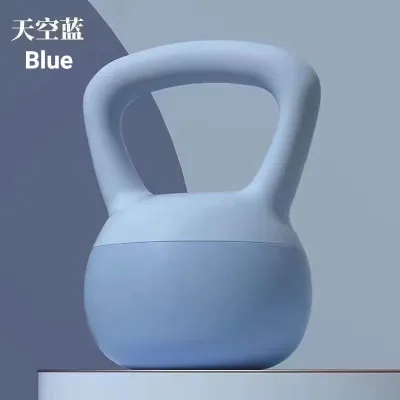
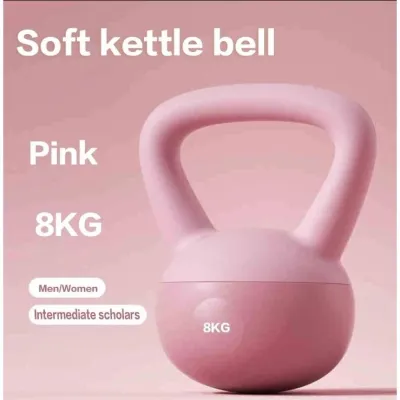
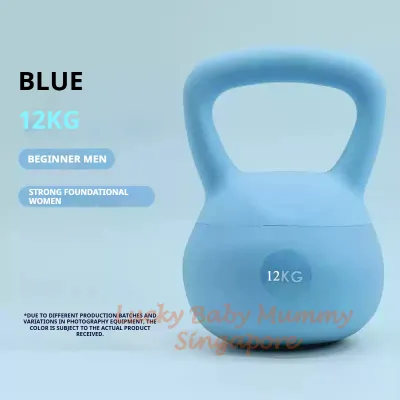
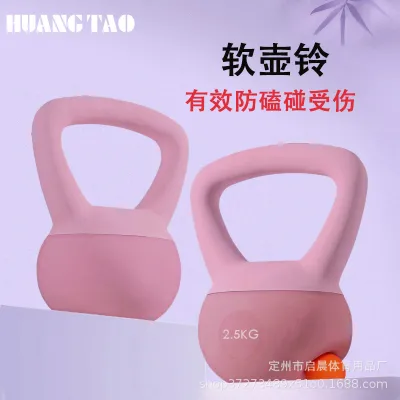
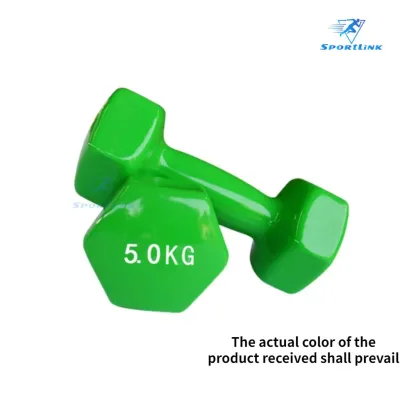
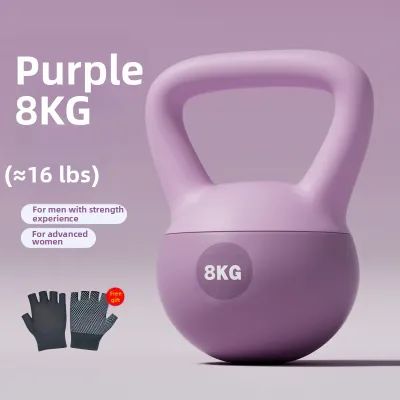
Prices are valid at publication and may change. Please refer to the product page for the latest price.
Traditional cast iron kettlebells are manufactured as a single, solid piece of metal. Molten iron is poured into a mold, creating a seamless connection between the bell and the handle. These weights are finished with a protective coating, such as powder coating, enamel, or simple paint, to prevent corrosion. Because they are solid metal, they have no moving parts, seams, or internal shifting materials. This classic construction has remained unchanged for decades because of its simplicity and structural integrity.
Evaluating Key Performance and Lifestyle Factors
When training at home, your equipment must fit your physical space as well as your physical capabilities. Comparing how these two kettlebell styles handle noise, grip, and wear will highlight which one aligns with your daily routine.

Floor Protection and Noise Control
For those training in high-rise apartments or shared residential spaces, noise and floor damage are primary concerns. Dropping a solid cast iron kettlebell, or even setting it down too quickly, can easily crack ceramic tiles, dent hardwood, or scuff vinyl flooring. Soft-shell kettlebells excel in these environments because their outer layers absorb a significant portion of the impact energy. When placed on the floor, they produce a muffled thud rather than a sharp, metallic clang, making them much friendlier for early morning or late-night workouts.
However, a soft exterior does not eliminate gravity. A heavy soft kettlebell can still damage subfloors or cause structural cracking if dropped from shoulder height. If you plan to train with weights heavier than 12kg, you should still use a dedicated rubber gym mat or drop pads to distribute the force. For light to moderate fitness routines, the built-in cushioning of a soft kettlebell provides an excellent first line of defense against accidental floor scuffs.
Grip Texture and Exercise Handling
Your connection to the kettlebell is entirely dependent on the handle. Traditional cast iron kettlebells are favored by experienced lifters because their textured metal surfaces hold gym chalk exceptionally well. This texture provides a secure, non-slip grip that allows the bell to rotate smoothly in your palm during high-repetition swings, cleans, and snatches. The handle diameter is also standardized and consistent, allowing you to develop predictable forearm and grip strength.
Soft kettlebells often present challenges during dynamic, high-velocity movements. Many models feature handles wrapped in smooth vinyl or neoprene, which can become incredibly slippery when exposed to sweat. In humid climates or intense cardio sessions, this lack of friction can compromise your control over the weight. Furthermore, to accommodate the bulkier soft filling, some manufacturers design these kettlebells with thicker handles. A thicker handle increases the demand on your grip strength, which can lead to premature forearm fatigue before your target muscles are fully worked.
Durability and Long-Term Wear
durability is a major differentiator between these two styles. A solid cast iron kettlebell is virtually indestructible. While the paint or powder coating may chip over time from contact with other weights, the structural integrity of the iron core remains unaffected. If a cast iron bell develops surface rust from storage in a damp area, it can easily be sanded down and repainted. It is an investment that can easily last a lifetime.
Soft kettlebells have a more finite lifespan due to their multi-material construction. The seams on stitched fabric or vinyl shells are common failure points, especially if the weight is repeatedly dropped or stored in direct sunlight. Over time, sweat, UV exposure, and friction can degrade plastic and rubber coatings, leading to cracks or leaks. Once a soft kettlebell’s outer shell splits, the internal sand or iron shot can spill out, rendering the equipment unusable. To maximize the lifespan of a soft model, you must store it indoors, keep it away from sharp objects, and wipe down sweat immediately after use.
Assessing Budget and Long-Term Value
Budget considerations involve more than just the initial checkout price. You must weigh the upfront cost against how long the equipment will remain useful as your strength progresses. Soft kettlebells often feature a lower entry price, making them highly attractive for beginners who want to try kettlebell training without a large financial commitment. Some soft models are even adjustable, allowing you to add or remove sand to change the weight, which offers excellent initial versatility.
However, cast iron kettlebells often provide better long-term value. Because they do not wear out, you will never need to replace a cast iron bell due to structural failure. If you outgrow a specific weight, cast iron retains a high resale value on the secondhand market. When purchasing any kettlebell, always check the manufacturer’s warranty terms. Look specifically for how long they cover seam splits or handle detachment on soft models, as these issues are rarely repairable at home.
Final Decision Framework: Which Kettlebell Should You Buy?
To finalize your decision, match your living situation and training goals against the specific strengths of each kettlebell type.
Choose a Soft Kettlebell if:
- You live in an apartment or shared space where minimizing noise and vibration is a priority.
- You are a beginner focusing on slow, controlled, non-ballistic movements like deadlifts, squats, and overhead presses.
- You do not want to purchase additional protective gym flooring or rubber mats.
- You want a lower upfront cost to test whether kettlebell training fits your lifestyle.
- You are purchasing lighter weights (typically under 10kg) where grip slippage is easier to manage.
Choose a Cast Iron Kettlebell if:
- You have a dedicated workout space, such as a garage gym or a room with heavy-duty rubber flooring.
- You plan to perform advanced ballistic exercises like high-rep swings, cleans, snatches, and Turkish get-ups.
- You want a handle that accommodates gym chalk and offers a secure, predictable grip even when sweaty.
- You view your fitness equipment as a lifetime investment and want maximum durability.
- You are training with heavier weights where structural integrity and precise weight distribution are critical for safety.
Verify First Checklist:
- Handle Diameter: Check the product specifications to ensure the handle is not too thick for your hand size, especially on soft models.
- Seam Construction: For soft-shell options, inspect user reviews to confirm that the stitching or heat-welded seams do not split under regular use.
- Weight Accuracy: Verify if the manufacturer guarantees the actual weight, as sand-filled models can sometimes deviate slightly from their labeled weight.
- Floor Limits: Confirm that your home flooring can support the localized impact of your chosen weight, and always use a mat when training on upper floors.
Frequently Asked Questions (FAQ)
Can I use a soft kettlebell for advanced swings and snatches?
While you can perform basic swings with a soft kettlebell, they are generally not recommended for advanced ballistic movements like snatches or cleans. High-velocity exercises generate significant centrifugal force, making a secure grip absolutely vital. The vinyl or neoprene handles on many soft kettlebells can become dangerously slippery when wet with sweat, increasing the risk of the weight slipping from your hands. Additionally, the repeated impact of the bell flipping over and hitting your forearm during snatches can accelerate wear on the soft shell’s seams, potentially leading to tears and leaks.
Do soft kettlebells have the same weight distribution as cast iron?
No, soft kettlebells typically have a different weight distribution than solid cast iron. Because sand and iron filings are less dense than solid iron, a soft kettlebell must be physically larger to achieve the same weight. This larger volume shifts the center of mass further away from the handle. During dynamic movements, this altered center of mass changes the pendulum effect, which can disrupt your timing and form. Solid cast iron concentrates its weight into a smaller, denser ball, providing the classic, predictable balance required for proper kettlebell lifting technique.

Community discussion
Share your experience or ask a question. Comments are reviewed before publication.