
Selecting the right swimming goggles is a highly personal decision because no single brand fits every face shape or swimming style perfectly. The ideal pair must create a watertight seal against your unique orbital bone structure while remaining comfortable enough for the duration of your swim. Speedo, Arena, and View are three of the most prominent brands in the aquatic gear market, each approaching goggle design with a distinct philosophy.
Speedo generally offers broad versatility and classic reliability, making it a go-to for swimmers of all levels. Arena typically emphasizes competitive hydrodynamics and low-profile designs tailored for high-speed training and racing. View is widely recognized for lightweight comfort, flexible materials, and specific facial fit adaptations that cater to diverse facial structures. Rather than searching for an absolute winner, evaluating your personal swimming habits, facial shape, and typical swimming environment will guide you to the brand that aligns with your needs.
Identifying Your Swimming Goals and Environment
Before comparing specific brands, define your primary swimming activities to narrow down the necessary goggle features. A casual fitness swimmer who spends thirty minutes doing gentle breaststroke has vastly different equipment needs than a competitive athlete training for a swim meet or an open-water triathlete navigating choppy currents. Identifying your primary style of swimming helps you prioritize either long-term comfort, hydrodynamic efficiency, or wide-angle visibility.
Products mentioned in this guide
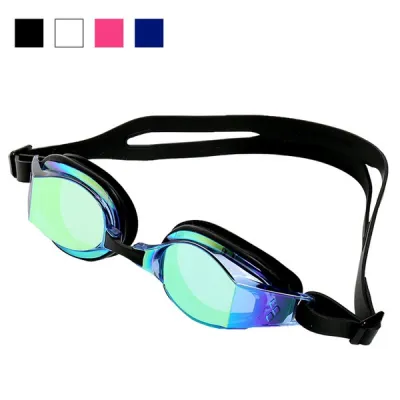
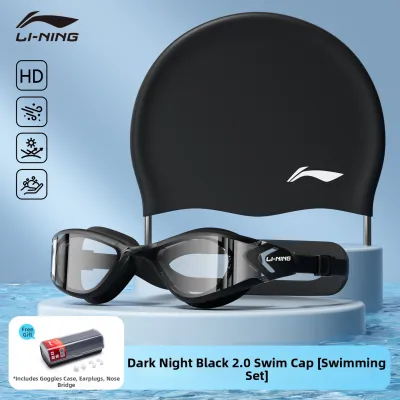
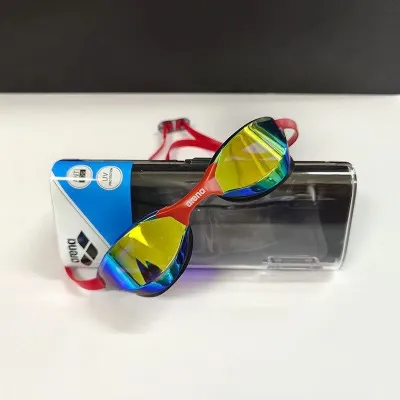
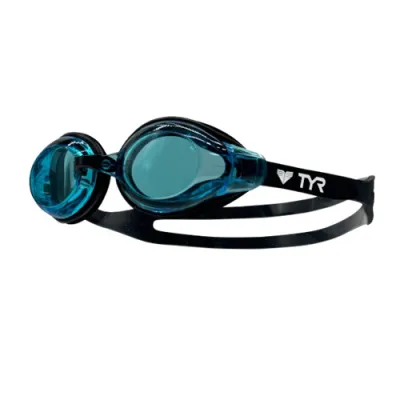
![[SG] Swimming Goggles Degree | Anti Fog + UV Shield | Adult & Children | Prescription Goggles](https://img.lazcdn.com/g/p/22798ce7f1849ad31e914f8712a501f1.jpg_400x400q80.jpg_.webp)
Prices are valid at publication and may change. Please refer to the product page for the latest price.
Environmental factors play a critical role in lens selection and overall goggle performance. In Singapore, where year-round tropical weather makes outdoor pools highly popular, swimmers frequently contend with intense sunlight and harsh surface glare. For these outdoor environments, goggles with mirrored lenses or dark tints are essential to protect your eyes and maintain clear vision. Conversely, if you primarily train in indoor facilities or during evening hours at community sports complexes, clear, light blue, or violet lenses will provide the necessary optical clarity without dimming your surroundings.
The frequency of your swimming routine also dictates the level of durability you require from your gear. Frequent exposure to chlorinated water, salt water, and high humidity can accelerate the degradation of silicone gaskets and anti-fog coatings. If you swim multiple times a week, investing in models with high-grade silicone seals and advanced anti-fog technologies is crucial to avoid constant replacements. For occasional recreational swimmers, basic comfort-focused models will easily suffice without requiring premium technical features.
Brand Profiles: Core Strengths and Ideal Swimmers
Each of the three major brands has developed a distinct reputation based on its design priorities, material choices, and target audiences. Understanding these core philosophies allows you to match your personal preferences with the brand most likely to deliver a satisfactory experience.

Speedo: Versatility and Broad Appeal
Speedo is perhaps the most recognizable name in swimming, and its product catalog reflects a commitment to serving every tier of swimmer. From recreational beachgoers to Olympic athletes, the brand offers an extensive range of options designed for varied pool activities. This broad appeal means you can find everything from heavily cushioned, wide-view masks to ultra-low-profile racing goggles within their lineup.
One of Speedo’s key strengths is the diversity of its strap systems and lens options. They frequently incorporate user-friendly adjustment mechanisms, such as push-button side clips or numbered fit straps, which simplify the process of finding a secure fit. Their lens options span across polarized, mirrored, tinted, and clear varieties, ensuring compatibility with virtually any lighting condition you might encounter.
Because Speedo caters to such a wide audience, it is important to check the specific model specifications before purchasing. An entry-level recreational model will prioritize soft, thick gaskets and a flexible frame, whereas their elite racing lines utilize rigid frames and minimal gaskets to reduce drag. Swimmers should not assume that all Speedo goggles fit the same, as the design characteristics vary significantly between their fitness and competitive collections.
Arena: Competitive Focus and Hydrodynamics
Arena has established itself as a favorite among competitive swimmers and advanced fitness enthusiasts who prioritize speed and hydrodynamic efficiency. The brand’s design philosophy leans heavily toward minimizing drag in the water, which is reflected in their sleek, low-profile frame designs. These goggles are engineered to sit tightly within the eye socket, reducing the risk of the goggles shifting or leaking during high-velocity dive starts and powerful turns.
The structural design of Arena goggles often features rigid frames and streamlined side temples that help distribute strap tension evenly around the head. This rigidity ensures that the goggles maintain their shape and seal even under the pressure of fast-paced swimming. For athletes who demand high performance and a locked-in feel during intense training sessions, this focus on stability is a major advantage.
However, this competitive focus means that some Arena models may feel less forgiving on casual swimmers who prefer a soft, cushioned feel. The low-profile gaskets and rigid frames require a precise match with your facial structure to prevent uncomfortable pressure points. When considering Arena, it is highly recommended to verify the flexibility of the nose bridge and the hardness of the gasket material to ensure they align with your personal comfort threshold for longer swims.
View: Lightweight Comfort and Specific Fit
View, a brand manufactured by Tabata in Japan, is highly regarded for its focus on lightweight comfort, flexible materials, and specialized facial fit adaptations. Unlike brands that design primarily for Western facial structures, View has a long history of engineering goggles that accommodate a wider variety of face shapes, particularly those with lower nose bridges and wider cheekbones. This makes them an exceptionally popular choice for swimmers who struggle to find a watertight seal with other major brands.
The brand’s design philosophy centers on reducing facial fatigue during extended swimming sessions. View frequently utilizes extremely soft, surgical-grade silicone gaskets that mold gently to the contours of the face, distributing pressure evenly to prevent the “goggle eyes” bruising effect. Their frames are often highly flexible, allowing the entire goggle structure to bend and adapt to the natural movements of your face as you swim.
While View goggles excel in comfort and fit customization, swimmers should still test the seal personally before committing to a specific model. The high flexibility of the frame means that the seal relies heavily on the natural suction of the silicone gasket against your skin. If the frame shape does not align well with your orbital bone structure, the flexible design may not provide enough structural support to maintain a seal during high-speed starts or vigorous flip turns.
Key Dimensions to Compare When Choosing Goggles
To make an informed decision among Speedo, Arena, and View, you must evaluate specific models across several tangible, physical dimensions rather than relying solely on brand names.
- Eye Cup Size and Profile: Goggles generally fall into two categories: small-socket and large-socket profiles. Small-socket goggles sit directly inside the orbital bone, offering a streamlined profile that minimizes drag but can feel restrictive over long periods. Large-socket goggles, including hybrid mask designs, sit on the outer edge of the orbital bone, providing a wider field of vision and reducing pressure on the eyes, though they create more resistance in the water.
- Strap Mechanisms: A secure strap system is vital for keeping your goggles in place. Look for split-strap designs, which divide the tension across the upper and lower curves of the back of your head for superior stability. Additionally, examine the adjustment buckles; some models feature quick-adjust buttons on the side or back, while others use traditional tension-based sliders that are more secure but harder to adjust mid-swim.
- Lens Technology: Always check product labels for specific lens treatments and materials. Anti-fog coatings are standard, but their longevity varies; some premium models feature advanced anti-fog technologies that can be reactivated by gently swiping the lens with your finger under water. Ensure you choose a lens tint—such as mirrored for bright outdoor pools or clear for indoor facilities—that matches your primary swimming environment.
- Gasket Material: The gasket is the material that makes direct contact with your skin. High-quality liquid silicone is the industry standard due to its flexibility, durability, and hypoallergenic properties. Some traditional racing goggles use no gasket at all (often called Swedish style), relying on a direct plastic-to-skin fit that offers zero drag but requires a highly specific facial shape to prevent leaking and discomfort.
How to Verify Fit and Seal Before Committing
No matter how advanced a goggle’s technology is, it will not perform well if it does not fit your face. You can perform a few simple, safe checks to verify the fit of a pair of goggles before taking them into the pool.
The most reliable method is the “suction test.” To perform this, press the goggle eye cups gently against your eye sockets without putting the strap over your head. Press them in slightly to expel the air, then let go. If the goggles adhere to your face and hold a seal for a few seconds before falling off, it indicates that the shape of the frame and gasket matches your facial structure. If they fall off immediately, air is leaking in, and they are highly likely to leak in the pool.
Next, pay close attention to potential pressure points around your eye sockets, brow bone, and the bridge of your nose. The nose bridge is a common source of discomfort; many goggles come with multiple interchangeable nose bridges of varying lengths. Ensure that the nose bridge allows the eye cups to sit centered over your eyes without pinching the inner corners of your eyes or pressing painfully against the bridge of your nose.
When adjusting your goggles for a swim, always avoid the temptation to overtighten the straps to compensate for a poor seal. Overtightening is a common mistake that can lead to tension headaches, deep red marks around your eyes, and premature wear on the silicone straps and frame. The watertight seal should be achieved through the natural fit of the gasket against your face, while the strap should only apply enough tension to keep the goggles from shifting during movement.
Decision Framework: Matching Brand to Your Routine
To select the ideal brand for your swimming routine, consider how your specific training habits and physical needs align with each manufacturer’s design strengths.
Choose Speedo if you require a highly versatile, widely available goggle that offers a broad selection of designs for varied pool activities. Speedo is an excellent choice for swimmers who want a reliable, middle-of-the-road option that balances comfort, durability, and performance across both recreational and fitness swimming.
Choose Arena if your primary focus is competitive training, speed, and reducing drag in the water. Their low-profile, rigid designs are ideal for swimmers who perform high-intensity workouts, dive starts, and rapid turns, and who prefer a locked-in, secure fit over cushioned comfort.
Choose View if you prioritize lightweight comfort, soft materials, and have struggled to find a proper fit with standard Western-designed goggles. Their flexible frames and gentle silicone gaskets are highly suited for long-distance fitness swimming and swimmers with lower nose bridges or wider cheekbones.
Before making your final purchase, always verify if you have specific requirements such as skin sensitivities to certain plastics, a need for prescription corrective lenses, or specialized features for open-water navigation. Checking these individual specifications on the product packaging will ensure you select a model that supports your swimming goals safely and comfortably.
Frequently Asked Questions (FAQ)
How often should I replace my swimming goggles?
The lifespan of swimming goggles depends heavily on how frequently you use them, your exposure to pool chemicals, and how you store them. For regular swimmers training two to three times a week, a pair of goggles typically lasts between four to six months before the materials begin to degrade.
You should replace your goggles if you notice persistent fogging that no longer clears with proper rinsing, if the silicone gaskets become hard, brittle, or cracked, or if the frame loses its ability to hold a suction seal. Storing your goggles in a protective case and rinsing them with fresh, cool water after every swim will help maximize their usable lifespan.
Can I use competitive racing goggles for everyday fitness swimming?
While you can wear competitive racing goggles for everyday fitness swimming, it may not offer the most comfortable experience for extended sessions. Racing goggles are designed with very low-profile frames and rigid, minimal gaskets to minimize drag, which can exert high pressure directly inside the eye socket.
For daily fitness laps that last forty-five minutes or longer, most swimmers find that larger-cup goggles with soft silicone gaskets provide a much more comfortable, pressure-free fit. It is generally recommended to reserve rigid racing goggles for competitive events or short speed workouts, and rely on comfort-focused models for your regular training routine.

Community discussion
Share your experience or ask a question. Comments are reviewed before publication.