
When comparing the thermal insulation performance of sports stainless steel bottles, the most effective choice depends on matching specific physical specifications and lid designs to your workout intensity and environment. While many leading brands claim long hours of cold retention, real-world performance varies based on how often you open the lid, the ambient temperature of your workout space, and the physical integrity of the bottle’s vacuum seal. Rather than relying on marketing numbers, choosing the right bottle requires evaluating physical specifications, lid seals, and practical design features that suit your specific training routine.
To find a bottle that reliably keeps your hydration cold, you must look beyond brand names and understand the engineering that prevents heat transfer. By evaluating how these vessels are constructed, you can make an informed decision that keeps your drinks ice-cold throughout your most intense training sessions.
Key Specifications That Determine Cold Retention
The primary technology behind any high-performing sports bottle is double-wall vacuum insulation. This construction features an inner and outer wall of stainless steel with the air sucked out of the space between them to create a vacuum. Because vacuum contains no air molecules, it prevents heat transfer by conduction and convection, leaving radiation as the only way heat can enter. Premium bottles often feature a thin layer of copper plating on the outer surface of the inner wall, which reflects thermal radiation and further slows down temperature changes.
Products mentioned in this guide
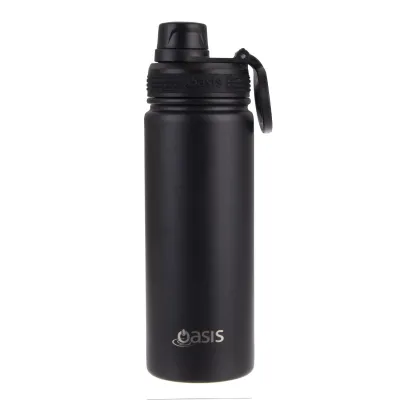
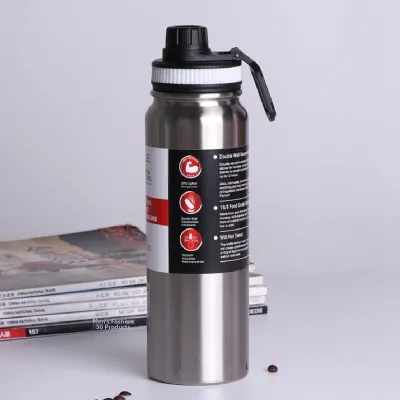
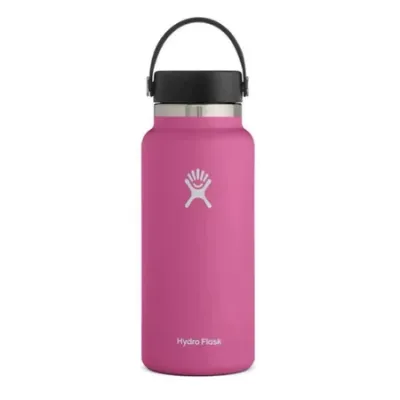
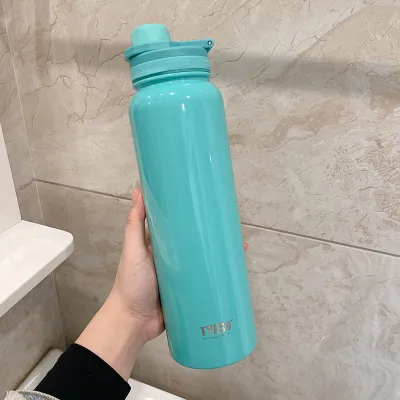
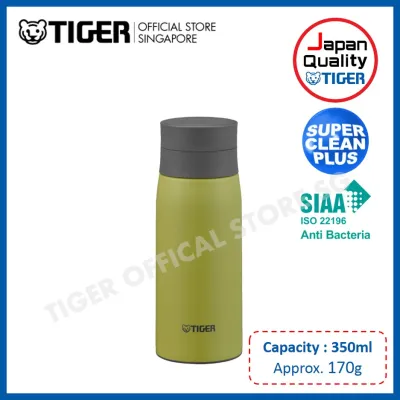
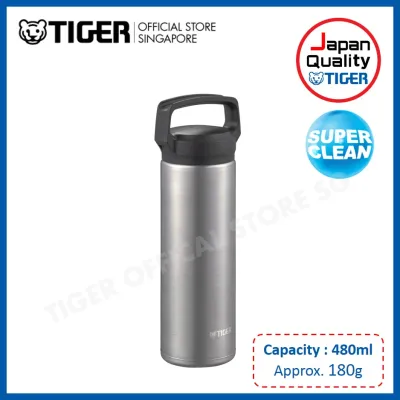
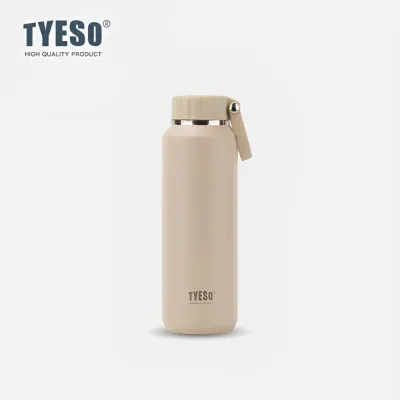
Prices are valid at publication and may change. Please refer to the product page for the latest price.
Material quality also plays a critical role in maintaining this vacuum seal over years of active use. High-grade food-safe stainless steel, typically labeled as 18/8 or 304 grade, provides the structural rigidity needed to withstand pressure changes and minor impacts without collapsing the vacuum gap. If the steel is too thin or of low quality, the walls can flex, eventually compromising the vacuum seal and rendering the insulation useless.
The ratio of liquid volume to the bottle’s surface area directly dictates how long your water stays cold. Larger bottles hold a greater volume of liquid relative to their exterior surface area, meaning they naturally retain cold temperatures much longer than smaller bottles of identical construction. If you need your water to stay cold for extended outdoor workouts, choosing a larger capacity is one of the simplest ways to ensure long-lasting thermal performance.
Finally, the lid is the most vulnerable point for thermal escape. While the stainless steel body is highly insulated, the lid is typically made of plastic or silicone, which conducts heat much faster than a vacuum. Deeply threaded lids that screw far down into the neck of the bottle create a longer path for heat to travel, while thick, high-quality silicone gaskets ensure an airtight seal that prevents warm air from entering and cold air from escaping.
Design Features for Active Workouts
During intense exercise, a bottle must do more than just keep water cold; it must also be easy to handle and resilient enough to survive the workout environment. A sweat-proof exterior coating is essential for maintaining a secure grip when your hands are wet from exertion or high humidity. High-quality powder coatings provide a textured, durable finish that resists slipping, ensuring you do not drop your bottle mid-set or during a fast-paced run.

Different lid styles offer distinct trade-offs between thermal retention and usability during physical activity. Straw lids are highly convenient for quick, one-handed sips during cycling or treadmill sessions because you do not have to tilt your head back to drink. However, the internal straw mechanism and necessary air valves introduce tiny pathways for ambient air to enter, slightly reducing the bottle’s overall thermal efficiency compared to solid lids.
Chug caps and spout lids offer a wider opening for fast hydration, making them ideal for high-intensity workouts where you need to drink quickly. These designs usually feature a secure screw-on cap over the spout to maintain a strong thermal seal when closed. Solid screw tops provide the absolute best thermal insulation because they completely seal the opening with a thick, often insulated barrier, but they require two hands to open and are less practical for mid-exercise hydration.
Impact resistance is another critical factor for sports bottles, as gym floors, outdoor pavement, and rocky trails present constant drop hazards. A hard impact can dent the outer wall of the bottle; if the dent is deep enough to touch the inner wall, it creates a thermal bridge that permanently ruins the vacuum insulation. To prevent this, look for bottles with reinforced base designs or compatible silicone boots that absorb impact energy and protect the vulnerable bottom seal.
How to Evaluate Brand Claims and Labels
When shopping for a stainless steel bottle, you will often see bold claims on the packaging, such as “keeps drinks cold for 24 hours” or even longer. It is important to understand that these claims are based on highly optimized laboratory testing rather than real-world workout conditions. Manufacturers typically conduct these tests by filling the bottle completely with ice-cold water (often around 4°C), sealing it tightly, and leaving it undisturbed in a temperature-controlled room without opening it.
In reality, your bottle will be exposed to warm ambient temperatures, direct sunlight, and frequent openings. Every time you open the lid to take a sip, warm air enters the bottle and mixes with the cold air inside, accelerating the warming process. Therefore, a bottle advertised as keeping drinks cold for 24 hours may only provide optimal cold retention for 8 to 12 hours during active, real-world use.
Additionally, manufacturers often use their largest bottle sizes to establish their headline cold-retention claims. A brand’s 1.2-liter bottle will easily meet the advertised 24-hour mark, but their 500-milliliter model of the exact same design may only keep water cold for 12 to 15 hours due to its smaller volume-to-surface-area ratio. Always check the fine print on the label to see if the temperature claim applies specifically to the bottle size you are purchasing.
To make an accurate comparison between brands, look for standardized testing disclosures or methodology notes on their official websites. Reputable brands will often share the specific starting temperatures, ambient conditions, and testing durations used to verify their claims. If a brand offers no details on how they measured their thermal performance, treat their hourly claims as general estimates rather than guaranteed performance metrics.
Decision Framework: Choosing the Right Bottle for Your Routine
Selecting the right sports stainless steel bottle requires balancing your hydration needs, workout environment, and carrying methods. For high-intensity interval training (HIIT), spin classes, or short gym sessions lasting under an hour, prioritize convenience and ease of use. A compact bottle of 500 to 700 milliliters with a straw lid or a quick-release chug cap is ideal, as the slight loss in long-term thermal efficiency is irrelevant for short workouts, while the one-handed operation keeps your focus on your training.
For long-duration endurance sessions, outdoor bootcamps, or day-long hikes in hot and humid climates like Singapore, thermal maximums are your primary concern. In these scenarios, choose a high-capacity bottle of 1 liter or more paired with a fully insulated, solid screw-top lid. This combination minimizes thermal transfer and allows you to pack the bottle with plenty of ice, ensuring you have a reliable source of ice-cold water to sustain your performance and prevent overheating throughout the day.
Before making a final purchase, always verify that the bottle’s physical dimensions are compatible with your existing sports gear. A high-capacity, heavily insulated bottle may be too wide to fit into standard bicycle bottle cages, treadmill cup holders, or the side pockets of your running backpack. Measure the diameter of your bottle holders and compare them to the manufacturer’s specifications; carrying a heavy, oversized bottle in your hand during a long run or ride can quickly ruin your workout experience.
Maintenance Tips to Preserve Insulation Performance
To ensure your stainless steel bottle continues to deliver excellent cold retention, you must protect its physical structure and clean it properly. Avoid dropping your bottle on hard surfaces, as even minor dents can compromise the vacuum seal. If you notice the outside of your bottle feels cold to the touch or starts to sweat when filled with ice water, the vacuum seal has likely failed, and the bottle will no longer insulate effectively.
Proper cleaning is essential to prevent odor buildup and maintain hygienic surfaces without damaging the bottle’s materials. Wash your bottle by hand using warm, soapy water and a soft-bristled bottle brush that can reach the bottom without scratching the interior steel. Avoid using chlorine bleach or highly abrasive cleaners, as these can degrade the protective chromium oxide layer on the stainless steel, leading to rust and metallic tastes.
Never place a vacuum-insulated bottle in the dishwasher unless the manufacturer explicitly states that the specific model is dishwasher-safe. The intense heat and harsh detergents of a dishwasher cycle can damage the exterior powder coating, warp plastic lids, and potentially compromise the adhesive seals that hold the vacuum insulation intact. Hand washing remains the safest method to prolong the lifespan of your bottle.
Finally, pay close attention to the silicone gaskets and seals inside the lid. Over time, these components can collect dirt, lose their elasticity, or develop mold if not dried properly. Periodically remove the gaskets using a blunt tool, wash them thoroughly, and allow them to dry completely before reassembling. If a gasket becomes stiff, cracked, or stretched, replace it immediately to prevent leaks and maintain a tight thermal barrier.
Frequently Asked Questions (FAQ)
Does a wider mouth affect how long the water stays cold?
Yes, a wider mouth can slightly reduce the overall cold retention of a bottle because it increases the surface area of the water exposed to ambient air whenever the lid is removed. Additionally, wider lids require larger seals, which can allow more heat to transfer through the plastic material compared to the solid, insulated steel body. However, wide-mouth designs make it much easier to add large ice cubes, which can offset this minor thermal loss by significantly lowering the initial temperature of the liquid.
Can I put ice cubes in any stainless steel sports bottle?
You can put ice cubes in any stainless steel sports bottle, provided the neck opening is wide enough to accommodate them. Standard narrow-mouth bottles may require specialized slim ice cubes or crushed ice, while wide-mouth bottles can easily fit standard household ice cubes. When adding ice, tilt the bottle and slide the cubes in gently rather than dropping them straight down onto the bottom, as repeated heavy impacts from sharp, solid ice can scratch or dent the interior lining over time.

Community discussion
Share your experience or ask a question. Comments are reviewed before publication.