
Selecting the right insulated sports water bottle depends less on finding a single “best” brand and more on matching a bottle’s construction to your specific exercise environment. While many popular brands advertise impressive temperature retention, real-world performance during a workout is heavily influenced by external heat, lid design, and how often you open the bottle. By understanding how to evaluate vacuum insulation specifications and design features, you can choose a bottle that keeps your drinks refreshingly cold from the start of your warm-up to the end of your cooldown.
Defining Insulation Needs for Different Workout Environments
Indoor fitness centers with active air conditioning present a relatively stable environment for temperature retention. In these spaces, a standard insulated bottle easily maintains a cold temperature for the duration of a typical one- to two-hour session, meaning ultra-high-performance thermal barriers are rarely a necessity.
Outdoor training in Singapore’s tropical climate, however, subjects your bottle to intense ambient heat and high humidity. Running on outdoor tracks, cycling along coastal paths, or training in open-air pavilions accelerates heat transfer, requiring a bottle with robust thermal resistance to prevent your water from warming up rapidly.
Products mentioned in this guide
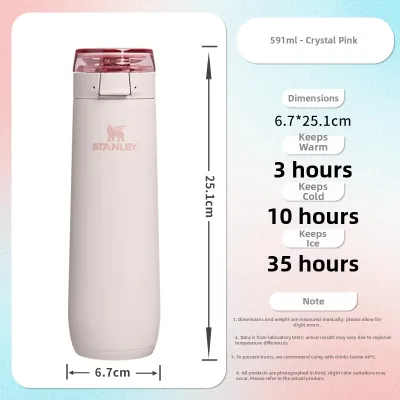
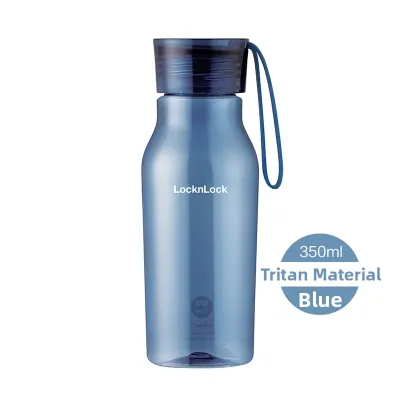
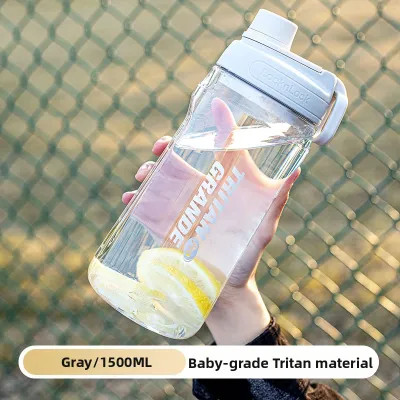
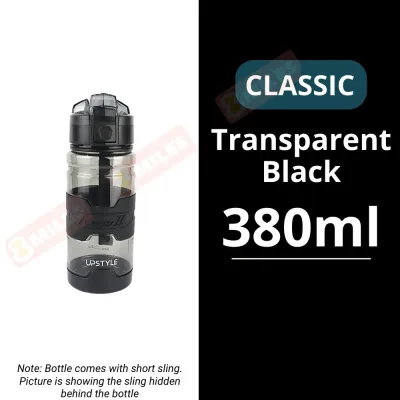
Prices are valid at publication and may change. Please refer to the product page for the latest price.
It is helpful to distinguish between keeping a beverage cold and retaining solid ice. While keeping water at a refreshing chilled temperature is highly achievable for most double-walled bottles, maintaining solid ice cubes requires minimizing the warm air introduced every time you open the lid to drink.
To determine your baseline insulation needs, calculate your total transit and exercise time. A bottle that only needs to perform during a quick 45-minute gym session near your home requires far less thermal efficiency than one intended to keep water cold during a half-day outdoor hike or an extended cycling route.
Additionally, consider your hydration frequency during different types of exercise. Frequent sipping introduces warm ambient air into the flask more often, which gradually raises the internal temperature regardless of the bottle’s brand or insulation quality.
During high-intensity workouts in humid conditions, drinking cold water is not just a matter of comfort; it also helps regulate your core body temperature. Choosing a bottle that can maintain a low temperature even when exposed to direct sunlight ensures you stay safe and perform at your best during outdoor training.
Key Specifications to Verify Before Comparing Brands
Double-wall vacuum insulation works by creating a virtual void between two walls of stainless steel, which prevents heat transfer by conduction or convection. Because there are no air molecules in a vacuum to conduct heat, external warmth cannot easily penetrate the inner flask containing your cold beverage.

When comparing brands at an online marketplace or physical sports store, look closely at the product labels for material specifications. High-quality sports bottles typically use food-grade 18/8 (304) stainless steel, which resists rust and prevents flavor retention, ensuring your water tastes clean over months of daily use.
While manufacturers often print estimated cold-retention hours on their packaging, these figures are usually based on closed-bottle laboratory tests rather than active workout conditions. Treat these hours as a relative baseline for comparison rather than a guaranteed performance metric during outdoor activities.
Bottle geometry also plays a significant role in thermal efficiency. Wide-mouth bottles allow you to load large ice cubes easily, which helps maintain lower temperatures longer, but they also feature larger lids that can let in more ambient air when opened compared to narrow-mouth designs.
Look for safety certifications and material disclosures on the packaging, such as BPA-free labels. Ensuring that all plastic components, silicone seals, and internal linings are certified safe for food contact protects your health while maintaining the purity of your water.
Some premium insulated bottles feature an internal copper plating on the outer surface of the inner wall. This copper layer acts as a radiation barrier, reflecting thermal energy away from the inner flask and further extending the bottle’s temperature retention capabilities.
Evaluating Popular Sports Water Bottle Designs for Active Use
The lid mechanism is often the weakest link in a bottle’s thermal barrier, as plastic lids do not insulate as effectively as double-walled steel. Straw lids offer excellent convenience for quick sips during cycling or running, but their internal mechanisms can sometimes allow minor air leakage, slightly reducing overall insulation compared to solid caps.
Chug caps and spout lids provide a high-flow drinking experience with a secure, leak-proof seal, making them ideal for high-intensity workouts where rapid hydration is needed. Screw-top lids offer the most reliable thermal seal because they completely close off the opening with thick, gasketed barriers, though they require two hands to open.
Exterior finishes are crucial for maintaining a secure hold when your hands are sweaty from exercise. Powder-coated finishes provide a textured, non-slip grip and are highly durable, while also ensuring that the outside of the bottle remains completely dry and free of condensation, protecting the contents of your gym bag.
Before purchasing, verify that the bottle’s base diameter matches your intended carrying method. Standard-sized bottles usually fit comfortably in gym bag side pockets, car cup holders, and standard bicycle bottle cages, whereas wider flasks may require dedicated carrying straps or larger storage compartments.
Weight is another critical factor for active use. While a larger capacity provides more hydration, a fully filled heavy bottle can become cumbersome during long runs or hikes, making it essential to balance your volume needs with your carrying capacity.
The ease of cleaning different lid styles is also worth evaluating before making a purchase. Complex straw lids and multi-part sports caps can harbor moisture and bacteria if not thoroughly cleaned, which can lead to unpleasant odors and compromise your hydration hygiene over time.
How to Test and Maintain Your Bottle's Insulation Over Time
You can perform a simple, safe test at home to verify your new bottle’s insulation integrity before taking it to the gym. Fill the bottle with ice water, seal the lid tightly, and let it sit in a room-temperature environment for a few hours; the outer steel wall should remain cool to the touch, and no condensation should form on the exterior surface.
Physical impacts are the most common cause of sudden insulation failure. Dropping your bottle onto hard gym floors or concrete paths can dent the outer wall and breach the delicate vacuum seal between the two steel layers, permanently destroying its thermal retention capabilities.
Chemical damage can also compromise your bottle’s lifespan. Avoid washing vacuum-insulated bottles in the dishwasher unless the manufacturer explicitly states it is safe, as high heat and harsh detergents can degrade the exterior powder coating and damage the silicone gaskets that prevent leaks.
To maintain a clean, odor-free bottle without damaging its components, wash it by hand using warm water, mild dish soap, and a soft bottle brush. For deep cleaning, use a mixture of baking soda and water to gently remove residue from sports drinks, ensuring you rinse the lid gaskets thoroughly to prevent mold growth.
Regularly inspect the silicone gaskets inside the lid for signs of wear or mold. Replacing these small seals when they become loose or damaged is a cost-effective way to maintain a leak-proof barrier and preserve the bottle’s overall thermal performance.
When storing your bottle between workouts, always leave the lid off to allow the interior to dry completely. Storing a sealed bottle that still contains trace moisture can create a breeding ground for musty odors, which are difficult to remove once they set into the plastic or silicone components.
Making Your Final Selection: A Condition-Based Decision Framework
To make your final decision, match your primary workout style to the appropriate bottle configuration. For high-intensity indoor training, a medium-sized bottle with a quick-access straw lid offers the best balance of convenience and adequate cooling, while long outdoor training sessions in humid conditions demand a larger, powder-coated bottle with a highly secure chug cap.
If your workouts involve rugged outdoor environments, such as trail running or outdoor boot camps, prioritize structural durability and a robust, impact-resistant base over maximum theoretical ice retention. A slightly heavier bottle with protective silicone boots can withstand accidental drops far better than a lightweight alternative.
Before completing your purchase on an online marketplace or at a local sporting goods store, verify that you are buying from an authorized retailer to ensure product authenticity. Check the manufacturer’s warranty terms, as reputable brands often offer limited lifetime warranties covering insulation failures, and review the store’s return policy in case you need to exchange a damaged item.
By focusing on these verifiable specifications and matching them to your specific workout habits, you can confidently select an insulated bottle that delivers reliable cooling performance throughout your fitness journey.

Community discussion
Share your experience or ask a question. Comments are reviewed before publication.