
Quick Answer: Stanley Shaker vs. Other Brands for Cold Retention
When it comes to keeping your drinks cold during a workout, the performance of a shaker bottle depends far more on its specific engineering and materials than on the brand logo. A double-wall vacuum-insulated stainless steel shaker will consistently outperform a single-wall plastic bottle, regardless of whether it is made by Stanley or a competitor. Stanley shakers are highly regarded for their robust thermal construction, durable powder-coated finishes, and ergonomic handles, making them excellent for maintaining cold temperatures in demanding gym environments.
However, because independent, standardized thermal testing data for every exact model under identical conditions is not publicly available, you must verify the manufacturer’s stated cold-retention hours on the product label before purchasing. While Stanley excels in structural durability and carrying convenience, other premium brands may offer lighter weights or specialized mixing mechanisms. Ultimately, the best bottle for you depends on whether you prioritize maximum temperature retention, lightweight portability, or specialized supplement-blending features.
Key Insulation Specs to Check Before Buying
To make an informed choice, you must understand the technical features that govern how a sports bottle retains cold. The most fundamental decision is choosing between single-wall plastic and double-wall vacuum-insulated stainless steel. Single-wall plastic shakers offer virtually no thermal resistance; heat from your hands and the surrounding gym air transfers rapidly through the thin material, warming your pre-workout or water within minutes. While these plastic bottles are lightweight and inexpensive, they are not engineered for temperature control.
Products mentioned in this guide
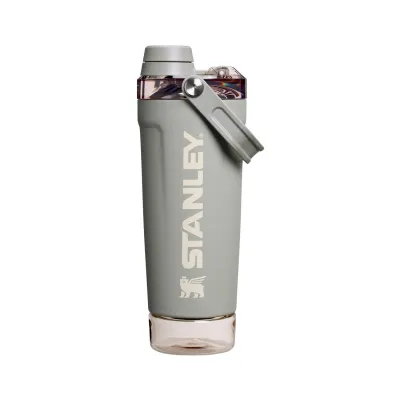
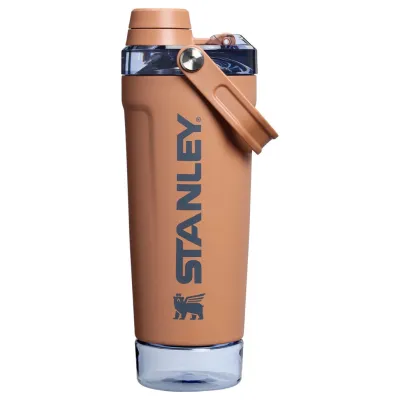
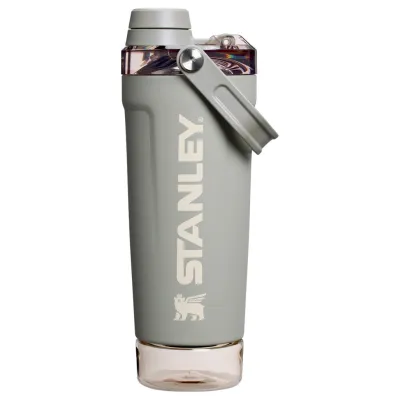
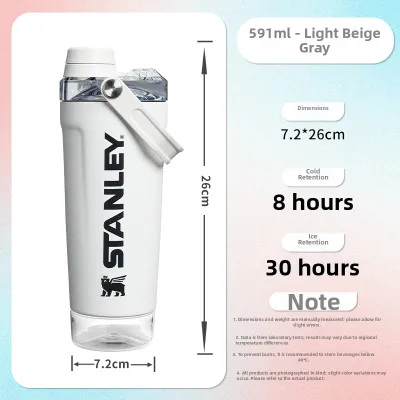
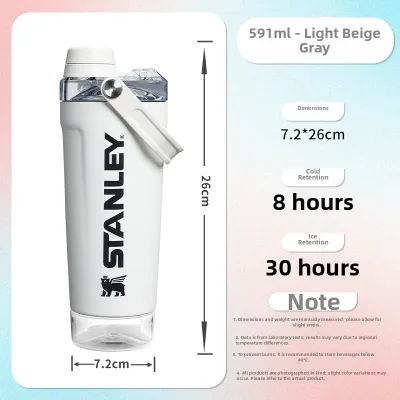
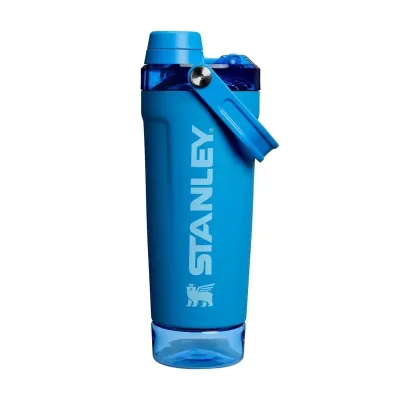
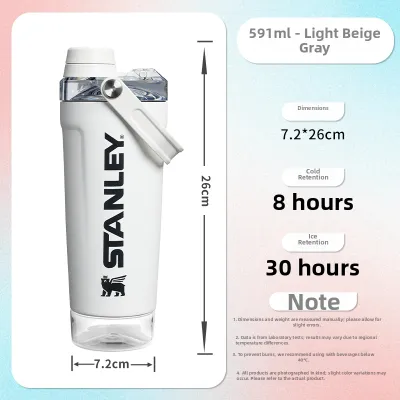
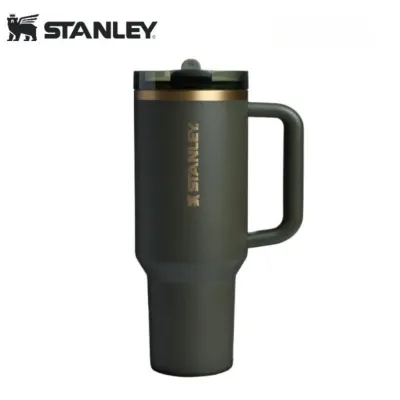
Prices are valid at publication and may change. Please refer to the product page for the latest price.

In contrast, double-wall vacuum-insulated stainless steel bottles utilize two separate layers of steel with the air evacuated from the space between them. Because a vacuum contains no air molecules, it prevents heat transfer via conduction and convection. This design is highly effective at keeping liquids cold for hours, even in hot or humid training environments. Additionally, the double-wall construction prevents condensation from forming on the outside of the bottle, ensuring your grip remains dry and secure during heavy lifts.
The lid is the primary point of thermal vulnerability in any insulated bottle. Lids are typically constructed from plastic, which conducts heat more readily than vacuum-insulated steel. Furthermore, every opening—whether a flip cap, a straw, or a spout—creates a pathway for warm air to enter. When evaluating a bottle, look for thick, well-insulated lids with secure, threaded closures and robust silicone seals. A tightly sealed lid minimizes air exchange, preserving the internal temperature far better than a thin, press-on lid.
Finally, always check the manufacturer’s rated cold-retention hours, but interpret them realistically. These ratings are established under controlled laboratory conditions, where a bottle is filled with ice water and left undisturbed. In a real-world gym setting, you will open the lid frequently, shake the bottle (which introduces kinetic energy and accelerates heat transfer), and expose it to warm ambient air. Therefore, a bottle rated for 24 hours of cold retention will typically provide a highly refreshing, ice-cold drink for the duration of a standard two-hour workout, but will not maintain peak coldness indefinitely under active use.
Stanley Shaker Design and Workout Usability
A sports bottle must do more than keep liquids cold; it must also fit seamlessly into your active routine. Stanley’s design philosophy heavily emphasizes rugged durability and portability, which is particularly evident in their signature integrated handles. A sturdy, built-in handle or folding loop makes it easy to carry a heavy, filled bottle between weight machines, hook it onto a backpack with a carabiner, or hold it securely during a fast-paced commute. This is a major advantage for athletes who move frequently around a large fitness facility.
The drinking interface is another critical factor for mid-workout usability. When you are catching your breath between intense sets, you need quick, spill-free access to hydration. Stanley bottles often feature fast-flow spouts, flip-straws, or push-button lids that allow you to drink without unscrewing a large cap. These designs help you maintain your training momentum. However, you should inspect the specific lid mechanism of the model you are considering to ensure it matches your drinking preference, as some users prefer a wide mouth for rapid gulping while others prefer a controlled straw.
The trade-off for this heavy-duty, insulated construction is weight and bulk. A stainless steel bottle is substantially heavier than a plastic equivalent, even when empty. When filled with 700 milliliters of water and ice, an insulated shaker can weigh well over a kilogram. For runners, track athletes, or cyclists who prioritize minimizing gear weight, this added bulk can be a significant drawback.
Furthermore, the wider diameter required for double-wall insulation means some models may not fit into standard bicycle bottle cages or compact treadmill cup holders. If you plan to use your bottle on cardio equipment, it is essential to measure the base diameter of the bottle and compare it to the dimensions of your equipment’s cup holders. Placing a heavy steel bottle on the floor of a busy gym increases the risk of it being kicked, tripped over, or damaged.
How Stanley Compares to Other Popular Sports Bottles
To understand where Stanley fits in the market, it helps to compare it against two distinct categories of sports bottles: traditional plastic mixing shakers and other premium insulated lifestyle bottles. Traditional plastic shakers, such as those featuring wire whisk balls or plastic mixing grids, are designed specifically for blending protein powders and supplements. They are highly efficient at breaking up clumps, extremely lightweight, and highly cost-effective. However, they offer zero insulation, meaning your ice-cold shake will quickly warm up, and the plastic material can retain stubborn odors if not washed immediately.
Stanley’s insulated bottles, by contrast, prioritize thermal performance and structural durability. While you can certainly use them to mix supplements, their primary strength is maintaining a cold temperature for hours. Shaking a heavy steel bottle requires more physical effort than shaking a lightweight plastic one, but the reward is a perfectly chilled drink. If you train in hot climates or enjoy long, outdoor workouts, the thermal benefits of an insulated bottle far outweigh the minor inconvenience of the extra weight.
When compared to other premium insulated brands, the differences lie in the details of the lid systems, base dimensions, and mixing accessories. Some competing brands offer specialized shaker lids with built-in agitators or integrated blending screens designed specifically for protein shakes. Other brands focus on ultra-slim profiles that fit easily into standard cup holders on spin bikes and treadmills. Stanley often leans toward a more rugged, wide-mouthed design that is exceptionally easy to clean but may require a dedicated space in your gym bag.
Ultimately, the comparison highlights a trade-off: if your primary goal is a perfectly smooth protein shake consumed immediately after mixing, a lightweight plastic shaker is highly practical. If you train in hot environments, exercise for extended periods, or simply prefer ice-cold water throughout your workout, an insulated option like Stanley is the logical choice.
Decision Guide: Which Shaker Fits Your Training Routine?
To help you choose the right bottle for your specific fitness regimen, consider the following practical framework.
Choose Stanley if…
- You prioritize long-lasting cold retention: You want your water, pre-workout, or recovery drink to remain ice-cold throughout a multi-hour training session, especially in warm or humid environments.
- You value rugged durability: You need a bottle with a robust, heavy-duty build that can withstand accidental drops on hard gym floors or outdoor terrain without cracking.
- You prefer integrated carrying options: You want a sturdy, built-in handle or loop that makes it easy to carry your bottle alongside your keys, phone, and gym towel.
- You want an easy-to-clean design: You prefer a wide-mouth opening that allows for easy hand-washing and accommodates large ice cubes easily.
Choose a standard plastic shaker if…
- Your primary focus is supplement mixing: You need a bottle specifically engineered to blend protein powders, greens, or pre-workouts without clumping, and you plan to consume the drink immediately.
- You want to minimize weight: You are a runner, cyclist, or commuter who needs a lightweight bottle that adds minimal bulk to your gear bag.
- You are on a budget: You want an affordable, easily replaceable option that you can toss in the dishwasher without worrying about preserving a vacuum seal or exterior paint.
- You need precise volume measurements: You require clear, external measurement markings on a translucent body to mix your supplements with exact liquid ratios.
Choose an alternative insulated brand if…
- You need cup holder compatibility: You require a slim, tapered base designed specifically to fit into tight cup holders on treadmills, spin bikes, or car consoles.
- You want a specialized mixing lid: You prefer an insulated bottle that comes with a dedicated, built-in mixing screen or agitator designed specifically for supplement preparation.
- You prefer a specific drinking interface: You want a highly customized lid style, such as a specialized bite valve or a dual-function straw-and-spout lid, that is not available on your preferred Stanley model.
Verify first if…
- You plan to pack it in a bag: Always check the manufacturer's specifications to confirm if the specific lid is rated as fully leakproof or merely leak-resistant before tossing it next to your electronics.
- You use a dishwasher: Verify whether the specific model and color finish are dishwasher-safe, as some powder coatings and vacuum seals require hand-washing to prevent damage.
- You have limited storage space: Measure the bottle's height and diameter to ensure it fits comfortably in your backpack's side pockets or your gym locker.
Frequently Asked Questions (FAQ)
Can I put ice cubes in a Stanley shaker without diluting my protein shake?
Yes, you can use ice cubes, but the timing and order of ingredients are crucial. Because double-wall vacuum insulation dramatically slows down the melting of ice compared to single-wall plastic, your ice cubes will remain solid for much longer. This prevents rapid dilution of your protein shake.
To ensure a smooth mix and prevent clumping, always add your liquid first, followed by the protein powder, and finally the ice cubes. Adding ice last helps break up the powder during shaking and prevents the powder from getting trapped and clumping at the bottom of the bottle.
Are Stanley shakers leakproof when tossed in a gym bag?
This depends entirely on the specific lid mechanism of the model you choose. Some lids are designed to be completely leakproof when fully closed and locked, while others are designed for quick access and are only leak-resistant, meaning they may drip if tipped over or subjected to pressure inside a packed bag.
Before tossing any shaker into your gym bag, verify the manufacturer’s specific rating for that lid. Additionally, always inspect the silicone gaskets inside the lid to ensure they are clean, undamaged, and properly seated in their grooves, as a misaligned gasket is the most common cause of unexpected leaks.

Community discussion
Share your experience or ask a question. Comments are reviewed before publication.