
Selecting the right support for lateral epicondylitis—commonly known as tennis elbow—depends on your daily activity levels, the specific nature of your discomfort, and how much joint mobility you require. While both tennis elbow straps and compression sleeves aim to alleviate discomfort, they employ entirely different mechanical principles to do so. A tennis elbow strap is designed to apply targeted, localized pressure to the forearm muscles, effectively redirecting the mechanical forces away from the inflamed tendon insertion point. In contrast, an elbow brace or sleeve provides broad, uniform compression and warmth across the entire joint, making it more suitable for general stiffness and recovery.
Understanding these functional differences is essential for choosing a product that supports your recovery rather than hindering your movement. Using the wrong type of support can lead to continued discomfort, restricted circulation, or a false sense of security that might encourage you to overexert the injured tendon. By evaluating your specific symptoms and daily physical demands, you can select the device that aligns with your recovery goals.
Core Differences: How Straps and Braces Work
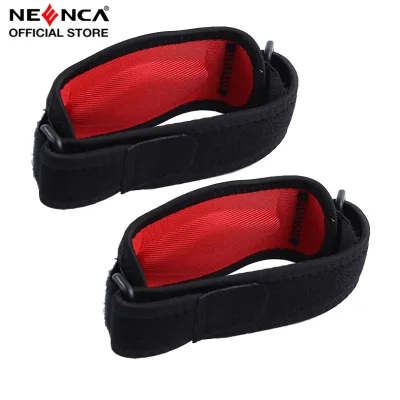
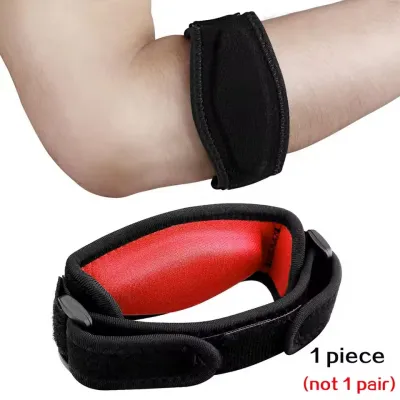
To make an informed decision, it is helpful to understand the mechanical designs of these two common sports accessories. A counterforce strap is a narrow, adjustable band that wraps around your upper forearm, typically about two fingers below the elbow joint. It features a built-in pressure pad made of gel, foam, or molded plastic. When tightened, this pad presses directly onto the extensor muscle belly. This localized pressure creates a new, temporary attachment point for the muscle, which absorbs a portion of the physical tension generated when you grip or lift objects. By intercepting these forces, the strap reduces the repetitive pulling strain on the lateral epicondyle tendon at the outer elbow.
Products mentioned in this guide

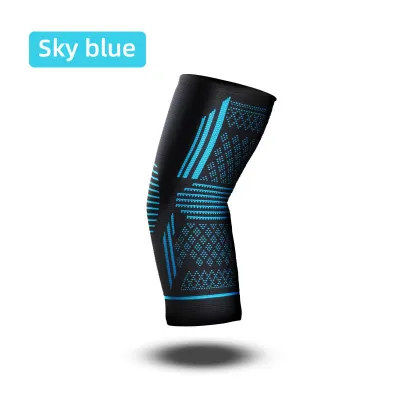
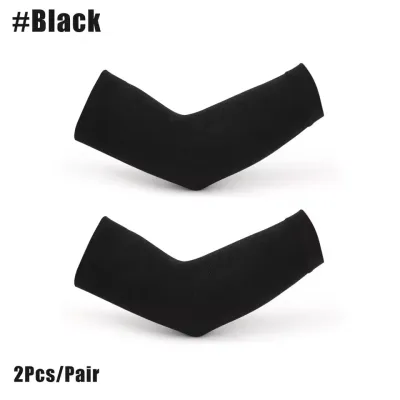
Prices are valid at publication and may change. Please refer to the product page for the latest price.
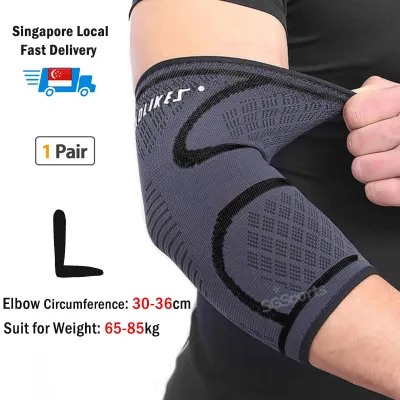
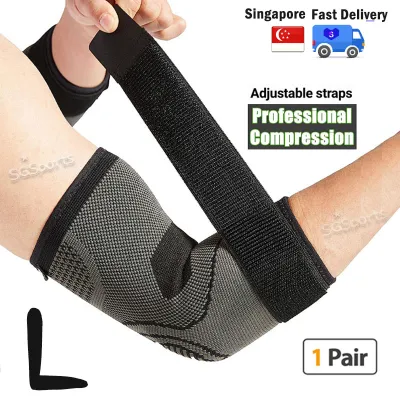
A compression brace or sleeve, on the other hand, covers a much larger surface area, extending from the mid-forearm to the mid-bicep. Instead of pinpointing a single muscle group, it delivers consistent, mild compression around the entire elbow joint. This uniform pressure helps to stimulate local blood circulation, retain therapeutic body heat, and reduce minor swelling. The warmth generated by a sleeve keeps the surrounding muscles and tendons pliable, which can alleviate the sensation of stiffness during rest or light daily activities.
While both options can be valuable tools in managing elbow discomfort, neither device is a standalone cure for tendon injuries. Supportive gear is designed to assist with symptom management and joint protection during recovery. They do not replace a formal medical diagnosis, structured load management, or targeted physical therapy exercises. For severe tendon tears or chronic conditions, relying solely on a strap or sleeve without addressing the underlying biomechanical issues can delay proper healing.
When to Choose a Tennis Elbow Strap
A tennis elbow strap is highly effective when your pain is localized to the outer elbow and is specifically triggered by active movements. If you experience sharp discomfort during activities that involve repetitive gripping, wrist extension, or lifting—such as playing racquet sports, typing on a keyboard, carrying groceries, or using hand tools—a counterforce strap is often the more appropriate choice. Because the strap only covers a small portion of the forearm, it leaves the elbow joint itself completely free to bend and straighten. This makes it the preferred option for athletes and active individuals who require an unrestricted range of motion during sports or demanding physical work.

The primary benefit of the strap lies in its ability to target the specific muscle group responsible for your symptoms. By placing the pressure pad directly over the extensor muscles, you can continue performing necessary tasks with reduced strain on the sensitive tendon insertion. This targeted approach allows you to maintain your activity level while protecting the healing tissue from excessive peak forces.
However, achieving the correct fit and placement is critical when using a counterforce strap. You must position the pad precisely over the muscle belly, not directly on the bone or the painful tendon itself. It is important to consult the manufacturer’s sizing guide to ensure you select a strap that fits your forearm circumference comfortably. Tightening the strap too much in an attempt to get more relief can compress the radial nerve or restrict blood flow, leading to secondary complications. Always adjust the tension so that it feels supportive but never painful or restrictive.
When to Choose a Tennis Elbow Brace or Sleeve
An elbow brace or sleeve is the more suitable option when you experience generalized stiffness, dull aching, or mild swelling throughout the entire joint. If your discomfort is not strictly confined to a single point on the outer elbow but instead feels like a diffuse ache around the joint, the broad compression of a sleeve can provide comfort. This design is particularly beneficial during the early stages of recovery, after a workout, or during periods of rest when keeping the joint warm and supported is the primary goal.
Sleeves are also highly practical for low-intensity daily tasks or for wearing comfortably under long-sleeved clothing. Because they are typically made from soft, elastic materials like nylon, spandex, or neoprene, they conform closely to the shape of your arm. This low-profile design provides a gentle, reassuring sensation of stability without the bulk of an adjustable strap. Many users find that wearing a compression sleeve during light household chores or office work helps manage low-grade discomfort and prevents the joint from stiffening up during inactivity.
When selecting an elbow sleeve, pay close attention to the material specifications and construction details. Look for breathable, moisture-wicking fabrics to prevent sweat buildup and skin irritation, especially if you plan to wear the sleeve for several hours at a time. Flatlock seams can help minimize friction against the skin, reducing the risk of chafing in the sensitive crease of the elbow. Additionally, verify the length of the sleeve and the presence of non-slip silicone grips at the bands, which help prevent the garment from rolling down or bunching up during movement.
Feature Comparison and Decision Checklist
When comparing these two types of support, evaluating specific product features can help you determine which option fits your daily routine. Adjustability is a key differentiator: counterforce straps almost always feature a hook-and-loop fastening system that allows you to customize the level of compression precisely. Sleeves, conversely, rely on the inherent elasticity of their fabric, meaning you must measure your arm accurately to get the correct level of compression. In terms of bulkiness, straps are highly compact and easy to pack in a gym bag, whereas sleeves cover more skin but lay flatter under tight clothing.
To help guide your selection, consider the following decision framework based on your primary needs:
- Choose a Tennis Elbow Strap if: You require targeted pressure during high-grip activities, need a full range of joint motion, or want an easily adjustable level of compression for active sports.
- Choose an Elbow Brace or Sleeve if: You experience diffuse joint stiffness, require mild compression and warmth during rest or light daily tasks, or prefer a low-profile support that fits smoothly under clothing.
- Verify with a Professional if: You experience persistent numbness, tingling, severe swelling, or sharp pain that does not improve with rest and basic support.
Before purchasing any support, always check the product labels for material composition. If you have a known allergy to latex or neoprene, look for hypoallergenic alternatives made from breathable knit fabrics. Additionally, review the manufacturer’s care instructions to ensure the support is easy to clean and maintain over time, as regular washing is necessary to preserve both hygiene and fabric elasticity.
Safe Usage and When to Seek Professional Help
Using an elbow support correctly is vital to avoid masking a more serious injury or causing secondary physical issues. A common mistake is overtightening a strap or sleeve in the hope of achieving faster relief. This can restrict blood circulation and compress local nerves, which may worsen your symptoms. Immediate signs that your support is too tight include numbness, a tingling “pins and needles” sensation, coldness in your hand or fingers, or visible skin discoloration. If you notice any of these signs, loosen the support immediately or remove it entirely.
It is also important to recognize when supportive gear is no longer sufficient and professional medical advice is required. You should stop using the support and consult a healthcare professional if your pain worsens despite using the device, if you notice significant muscle weakness in your hand or wrist, or if your symptoms do not show signs of improvement after a few weeks of rest and activity modification. These symptoms could indicate a more severe tendon tear, nerve entrapment, or an alternative diagnosis that requires specialized treatment.
Ultimately, tennis elbow straps and sleeves should be viewed as temporary aids to assist you during your recovery journey. They are most effective when combined with a comprehensive rehabilitation plan that includes targeted strengthening exercises, stretching, and temporary activity modification. Relying on a support indefinitely to push through severe pain can lead to chronic tendon damage and prolong your overall recovery time.
Frequently Asked Questions (FAQ)
Can I wear a tennis elbow strap all day?
It is generally not recommended to wear a counterforce tennis elbow strap continuously throughout the day. These straps are designed specifically to manage the mechanical loads placed on your tendons during active, repetitive movements. Wearing a strap during periods of rest or inactivity is unnecessary and can lead to localized muscle fatigue or restricted blood circulation. For best results, wear the strap during activities that typically trigger your discomfort, and remove it when you are resting. Always refer to the manufacturer’s guidelines or consult a healthcare professional for personalized advice on wear duration.
Should I wear the support on my dominant or non-dominant arm?
You should wear the support on whichever arm is currently experiencing the symptoms of tennis elbow, regardless of whether it is your dominant or non-dominant side. While tennis elbow is more common in the dominant arm due to higher usage, repetitive strain can occur on either side. To ensure correct placement of a strap, locate the lateral epicondyle—the bony bump on the outside of your elbow. Position the pressure pad of the strap on the forearm muscle belly, approximately two fingers below that bony bump, whether you are applying it to your left or right arm.
How do I clean my elbow strap or sleeve?
To preserve the elasticity, hygiene, and fastening mechanisms of your elbow support, regular and proper cleaning is essential. Always check the specific care label attached to your product first. As a general rule, it is best to hand wash both straps and sleeves in cool water using a mild soap or detergent. Avoid using bleach or fabric softeners, as these can degrade the elastic fibers and damage the hook-and-loop fasteners. After washing, gently squeeze out excess water without wringing the fabric, and lay the support flat to air dry away from direct heat sources. Do not place the support in a clothes dryer, as high heat can warp the materials and reduce the effectiveness of the compression.

Community discussion
Share your experience or ask a question. Comments are reviewed before publication.