
A tent bag’s waterproof performance relies on specific fabric coatings, seam construction, and closure types rather than just the camping brand’s reputation. For campers facing Singapore’s frequent heavy rain, understanding these specifications is essential to keep gear dry, prevent mold, and make informed purchasing or replacement decisions. While some premium brands provide highly weather-resistant storage, many standard tent bags are designed primarily for dust protection and basic transport. If you leave your tent bag exposed to a tropical downpour, water can easily seep through seams and closures, risking damage to your shelter before you even pitch it.
Decoding Tent Bag Materials and Waterproof Coatings
To understand how well a tent bag can resist water, you must first look at the fabric specifications. Many manufacturers list a Denier (D) rating, such as 150D, 300D, or 600D polyester or nylon. While a higher denier indicates a thicker, more puncture-resistant fabric that handles rough transit well, it does not automatically make the bag waterproof. A thick fabric without a proper barrier will still absorb water and allow it to pass through to your tent.
The true waterproofing comes from internal coatings, most commonly Polyurethane (PU). When evaluating a tent bag, check the manufacturer’s specification sheet or product label for a Hydrostatic Head (HH) rating, measured in millimeters. An HH rating of 1,500mm means the fabric can withstand a 1,500-millimeter column of water before leaking, which is generally sufficient for light rain. For Singapore’s intense tropical storms, look for bags with ratings of 3,000mm or higher to ensure reliable protection under pressure.
Products mentioned in this guide
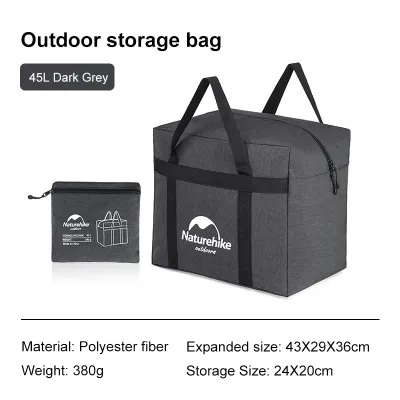
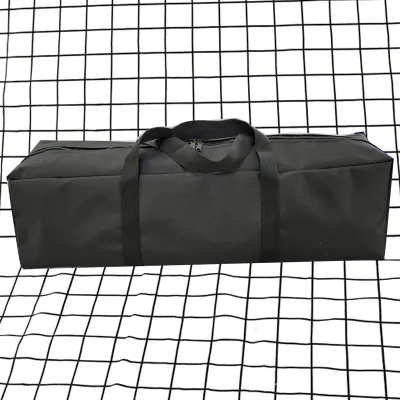
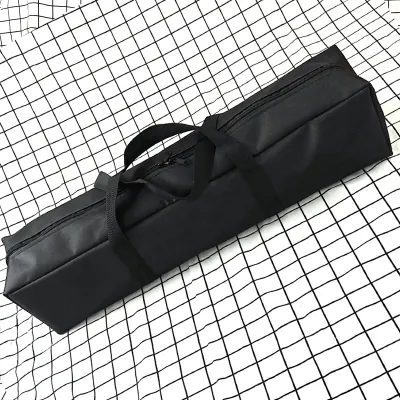
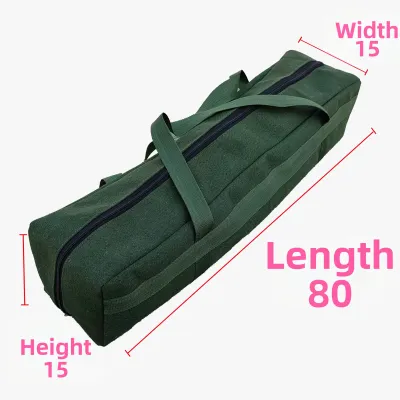
Prices are valid at publication and may change. Please refer to the product page for the latest price.
It is also important to distinguish between water-resistant treatments and fully waterproof constructions. Many tent bags feature a Durable Water Repellent (DWR) chemical finish on the exterior. This treatment causes water to bead up and roll off the surface, but it quickly wets out under continuous heavy rain or when compressed. For absolute protection, a DWR finish must be paired with an internal PU coating or a fully waterproof membrane.
Inspecting Structural Features for Rain Protection
Even the most advanced waterproof fabric will fail if the bag’s construction allows water to bypass it. When inspecting a tent bag, pay close attention to the seams. Standard stitched seams leave thousands of tiny needle holes that act as pathways for water. High-quality weather-resistant bags feature factory-taped seams, where a hot-melt band is applied over the stitching, or welded seams that fuse the fabric panels together using heat or radio waves, creating a completely impervious joint.

The closure mechanism is another critical entry point for moisture. Standard drawstring closures are common because they allow quick packing, but they leave a small opening at the top that easily collects rainwater. Zippered closures offer better coverage, but standard zippers will leak unless they are specifically rated as water-resistant or protected by a wide, hook-and-loop secured storm flap. For maximum protection, roll-top designs—similar to those found on dry bags—provide the most reliable seal against driving rain.
Additionally, look for practical design details tailored for wet environments. Some heavy-duty tent bags feature reinforced, heavily coated base panels to prevent water from seeping in when the bag is set down on saturated grass or muddy ground. Conversely, some bags include small drainage grommets at the bottom; while these can let water in if submerged, they are designed to let trapped condensation or residual moisture escape, preventing mold growth inside the bag during storage.
Evaluating Brand Approaches to Tent Storage Design
Camping brands approach tent bag design differently depending on the intended use and price point of the shelter. Budget-friendly lines often package tents in basic, uncoated polyester stuff sacks that offer minimal weather protection. In contrast, premium expedition or car-camping brands frequently supply heavy-duty carry bags made from thick tarpaulin or highly coated fabrics designed to withstand external mounting on vehicles or roof racks.
To verify a brand’s waterproof claims, avoid relying on vague marketing terms like “weatherproof” or “water-resistant.” Instead, locate the official specification sheets, product tags, or care labels. Look for concrete technical details such as the specific fabric type, coating thickness, and seam treatment. If a brand does not explicitly state an HH rating or mention taped seams for the storage bag, assume it is only designed for dust and scratch protection.
Furthermore, note how the brand intends the storage system to function. Some manufacturers design the tent’s inner compression sack to be the primary packing tool, providing a loose, non-waterproof outer duffel simply for carrying convenience. Understanding this distinction helps you decide whether you need to upgrade your storage setup to protect your investment from local weather conditions.
Practical Maintenance and Condition Checks for Wet Climates
Singapore’s high humidity and warmth accelerate the degradation of waterproof coatings. Over time, Polyurethane coatings can undergo hydrolysis, a chemical breakdown where the moisture in the air causes the coating to deteriorate. Conduct regular visual and tactile inspections of your tent bag’s interior. If you notice peeling, flaking, or a sticky, tacky residue accompanied by a sweet or musty odor, the waterproof barrier has failed and will no longer protect your gear.
To prolong the lifespan of your tent bag, establish a strict drying routine after every camping trip. Never store a damp tent or bag in a closed closet. Hang both the tent and its storage bag in a well-ventilated, shaded area until they are completely dry to the touch. Trapping moisture inside a coated bag creates a perfect breeding ground for mildew, which can ruin the tent’s fabric and seam tape within days.
If your original tent bag has degraded or lacks sufficient water resistance, know when to stop using it. Rather than risking damage to an expensive tent, transition to an aftermarket solution. You can purchase a dedicated heavy-duty waterproof duffel bag or a large dry bag from local outdoor retailers, typically ranging from S$20 to S$60 depending on the capacity, to ensure your shelter remains dry during transit.
Frequently Asked Questions (FAQ)
Is a separate dry bag necessary for tent storage in heavy rain?
A separate dry bag is highly recommended if you plan to transport your tent in open truck beds, strapped to the outside of a backpack, or during prolonged exposure to heavy downpours. Standard tent bags, even those from premium brands, rarely feature the fully welded seams and roll-top closures required to keep water out under continuous, high-pressure rain.
If you frequently camp in wet climates, investing in an aftermarket dry bag or using a thick, waterproof contractor bag as an internal liner provides an inexpensive layer of security. This ensures that even if the outer carry bag becomes saturated, your tent remains dry and ready for immediate pitching, preventing the discomfort of sleeping in a damp shelter.

Community discussion
Share your experience or ask a question. Comments are reviewed before publication.